

Active holidays in Sicily: hiking, diving, windsurfing and the best outdoor experiences
Sports holidays in Sicily: hiking, diving, windsurfing and ideas to enjoy the island outdoors between sea, nature and coastal villages.
When you start thinking about an active holiday in Sicily, the idea that immediately comes to mind is the chance to move, within a few hours, from a mountain trail to a windy beach, from a rocky cliff over the sea to a seabed full of life, shaping days that go far beyond a simple beach break.
Within a single island you find a wide range of landscapes that makes it easy to alternate hiking, diving, water sports, bike rides and scenic walks, with the advantage of being able to adjust the physical effort to the group, the season and the weather, without having to face excessively long transfers.
Planning sports holidays in Sicily means choosing a few strategic bases and combining some organised activities with enough flexibility, leaving free time as a space for discovery where a stroll in a village, a swim at sunset or a local market complete what happens on the mountain or in the water.
Sports holidays in Sicily: how to plan your itinerary
When you decide to set off for a sports holiday in Sicily, the first real choice is not how many things to squeeze in, but which activities you want to prioritise, because hiking, diving, windsurfing and other sports depend on different weather conditions, require specific gear and work best with a route thought through in advance.
Travellers who put the sea first tend to focus on the western or eastern coast, moving between places such as San Vito Lo Capo, the Aegadian Islands, the Cefalù area or the stretch between Catania, Syracuse and south‑eastern Sicily, where sandy beaches, rocky coves and sheltered bays alternate and make it easy to build a varied water‑sports programme.
Those who give more weight to hiking and mountains often look to Etna, the Madonie or the Nebrodi, choosing a base slightly inland and slotting in a few days at the coast in nearby seaside towns, so they do not have to give up a swim or some snorkelling after a day on the trails.
For a full week, a balanced option is to split the stay between two areas with different characters, for example a base around Etna or in the Madonie for hiking and a second base by the sea, so you do not have to cover long distances every day just to reach the starting point of your activities.
Your itinerary works better if you consciously alternate more demanding days with easier ones, avoiding a chain of long hikes, deep dives and intense water‑sport sessions without any breaks, and slipping in quieter mornings, a few hours in a historic town or simply an unplanned half‑day at the beach.
Hiking in Sicily: Etna, Madonie, Nebrodi and coastal reserves
When you look at hiking in Sicily as a core part of a sports holiday, a few areas clearly stand out, because they offer very different landscapes and walking experiences that suit both long‑distance hikers and travellers who prefer shorter but well‑designed routes.
Mount Etna is the most iconic area, with paths that cross lava flows and extinct craters and landscapes where the black rock contrasts with the green of the woods and, on clear days, the blue of the sea; here, choosing the right route, altitude and whether to hire a guide matters a lot, both for safety and to respect local access rules, especially when you go beyond the most popular loops.
The Madonie mountains offer a less visually “extreme” but very rewarding kind of hiking, with woods, ridgelines, pastures and villages that keep a strong rural character, and give you the chance to design loop walks of various lengths, often with a stop in a village for lunch or a tasting of local products.
The Nebrodi introduce a broader, more remote feeling, with plateaus, small lakes, large forests and secluded valleys that create a more contemplative walking experience, often with gentler elevation but longer distances, ideal for those who like the idea of spending many hours away from towns and tourist flows.
Alongside the big mountain areas, coastal nature reserves are a chance to try a different kind of hike, shorter and more scenic, where trails follow the coastline, look out over coves reachable only on foot and alternate dirt tracks and rocky sections, allowing you to combine walking with a swim in quieter spots.
In any case, a basic level of preparation is essential: solid footwear, enough water for the season, sun protection, layered clothing and a GPS track or up‑to‑date map, especially in less frequented areas, are the starting point for turning enthusiasm into a safe and satisfying experience.
Water sports in Sicily: windsurfing, kitesurfing, kayaking and snorkelling
When you consider water sports in Sicily, the key starting point is accepting that not all stretches of coast offer the same kind of sea, because the mix of wind, seabed and shape of the bays changes significantly from one area to another, with beaches that work well for windsurfing and kitesurfing, rocky sections better suited to kayaking and snorkelling and sheltered gulfs ideal for beginners.
For those who regularly practise windsurfing and kitesurfing, what really matters is exposure to prevailing winds, easy access to the water and the presence of reliable schools or rental centres: sandy shores with shallow water for many metres, lagoons connected to the sea and bays that make it easier to come back in, even when you are tired and the wind shifts, quickly become invaluable.
Travellers who are more interested in exploration often find that sea kayaking strikes the right balance, because it lets you slide along cliffs, slip into low caves and reach tiny coves that you would never notice from the road, alternating sections on the water with short stops on shore where the paddling becomes just one part, rather than the sole focus, of the day.
In a setting like Sicily, snorkelling almost naturally becomes part of any day at the sea as soon as you reach rocky coasts with clear water, where a simple mask, some basic awareness of currents and boats and a few skills are enough to discover seagrass meadows, small walls, isolated boulders and sandy patches; those who do not feel very confident in the water can still rely on local guides who know access points, timings and spots best suited to the group’s level.
Stand up paddle has quickly joined this picture as a “bridge” activity, accessible to anyone with a bit of balance and curiosity, and is used at sunrise and sunset on very calm water by those seeking light and silence rather than adrenaline, and in slightly choppier conditions by paddlers with more experience, who need to pay close attention to forecasts and wind gusts before heading too far from shore.
Deciding when to dedicate time to more demanding water sports and when to switch to quieter activities or inland trips comes down, in practice, to checking tides, wind and local marine forecasts every day, which end up being as important as wetsuits, harnesses or paddles.
Diving in Sicily: seabeds, wrecks and marine reserves
If you plan to go diving in Sicily, it makes sense to look beyond the idea of one generic “Sicilian sea” and start distinguishing between the different types of seabed along the coast, because reefs, walls, wrecks and sandy areas offer very different scenarios and levels of complexity, which you need to match with certification, experience and personal goals.
For new divers with their first certification, the most straightforward dives focus on moderate depths, manageable currents and easy entry and exit points, usually with the support of dive centres that work regularly with beginners, while more experienced divers tend to seek out deeper sites, more complex underwater topography or wrecks that demand solid control over bottom time and air consumption.
Marine protected areas and regulated zones, often mentioned in descriptions of Sicilian dive sites, are not just names on a chart: behind them lie precise rules on access, schedules, number of boats and how dives are organised, all managed by authorised operators, which frees divers from having to decode fragmented regulations and lowers the risk of behaviour that would conflict with conservation efforts.
For complete beginners, a sports holiday can be the right moment for a first “try dive” or an entry‑level course to slot between other activities, while certified divers usually ask early on about the most noteworthy sites in a given area and then rely on their guides to choose dives according to conditions and group level.
In every case, a conversation with the dive centre in advance about seabed types, water temperature in the chosen season, rental gear and the presence of stronger currents helps align expectations with reality before you even step onto the boat, so that once on board you can focus on the dive itself and on sharing the story of it on the way back.
Even travellers who stick to snorkelling or short breath‑hold dives benefit from getting some extra information on access points, restrictions and boat traffic, because it allows them to enjoy the sea more safely and respectfully, avoiding sensitive areas or stretches of water heavily used by professional fishing.
Tips for organising a sports holiday in Sicily
Moving from the idea stage to actual bookings and packed bags, a few practical choices can turn sports holidays in Sicily into an intense yet manageable experience, without relying on improvisation where it can hurt the most.
Accommodation has a direct impact on how your days unfold, because staying close to the sea, to trailheads or to the harbours where boats and RIBs depart from cuts down travel time and gives you more room for activities, whereas a very remote base calls for careful planning around car use, supplies and driving back after dark.
The weekly activity schedule also deserves attention: alternating long hikes with lighter days, interspersing dives and water sports with visits to villages or towns, and allowing at least half a day with no fixed plans makes it easier to absorb changes in weather or tiredness without turning the trip into a race against your own programme.
From a budget perspective, it helps to distinguish between fixed costs such as travel, accommodation, car hire and insurance, and variable costs linked to tours, rentals and courses, so you can decide which experiences truly have priority and where it makes sense to opt for more independent options, such as a self‑guided hike or a simple gear rental.
Handled this way, sports holidays in Sicily become a trip that feels intense but not chaotic, where hiking, water sports and diving naturally sit alongside slower moments made of village squares, evening harbours and dinners outdoors, leaving you with the sense of having made the most of the island’s potential without forcing the pace.

Hello, I’m Iolanda, In 2010, I decided to return to my magical island, Sicily, so that the experience I had gained over the previous years could take shape in the place where I was born.
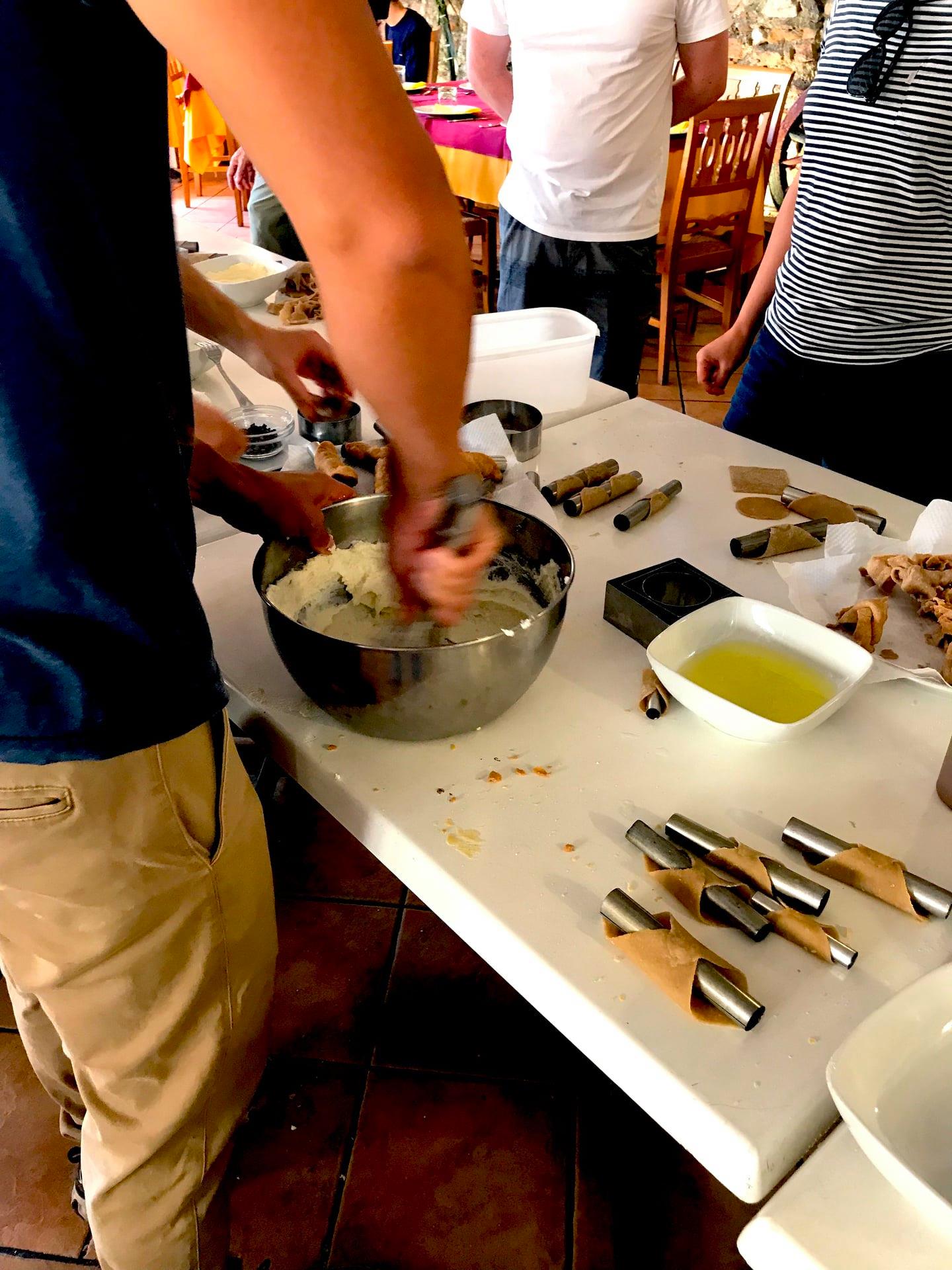
Esperenze culinarie Sicilia

Cosa fare a Cefalù

Escursioni Etna
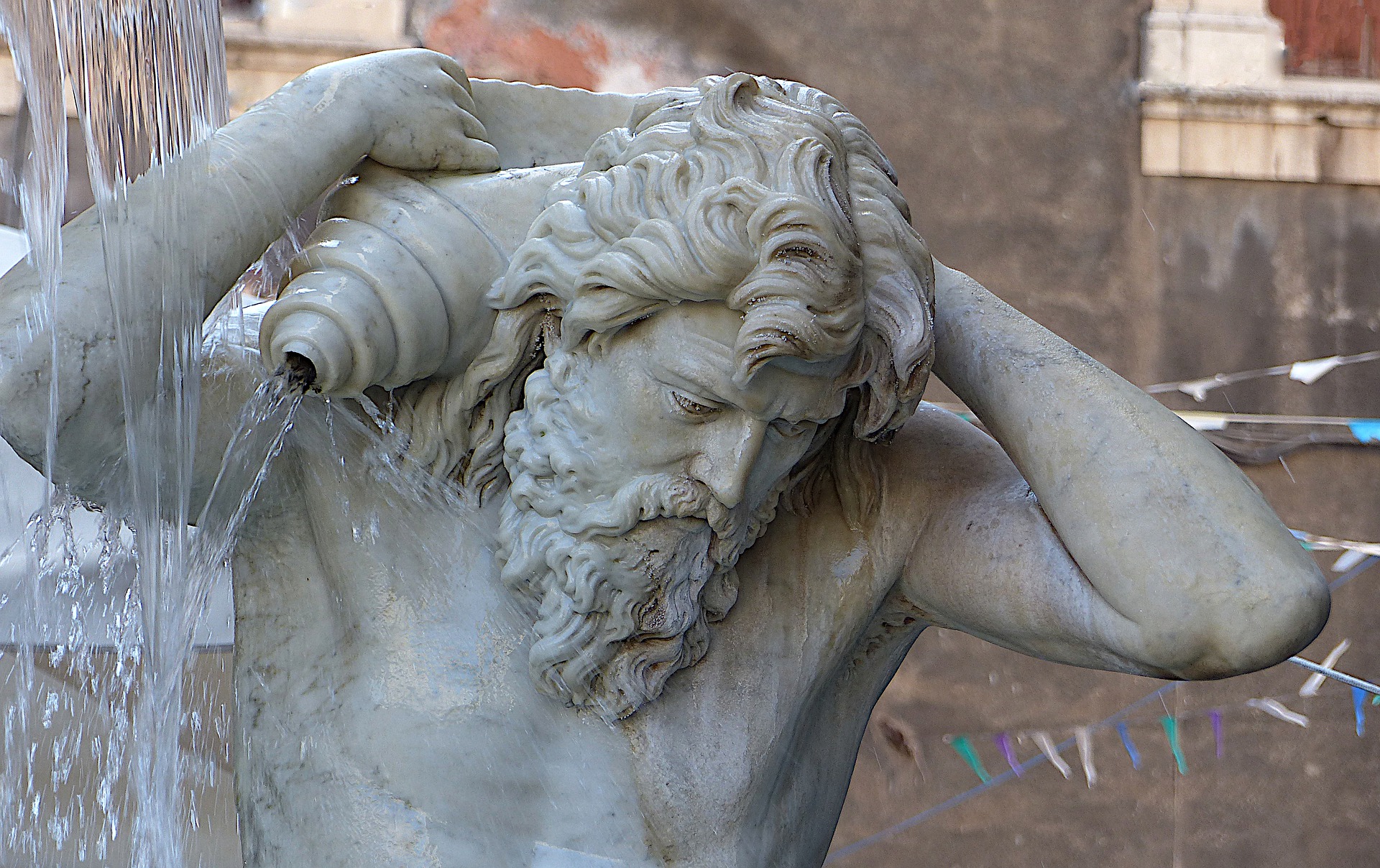
Cosa Vedere a Catania
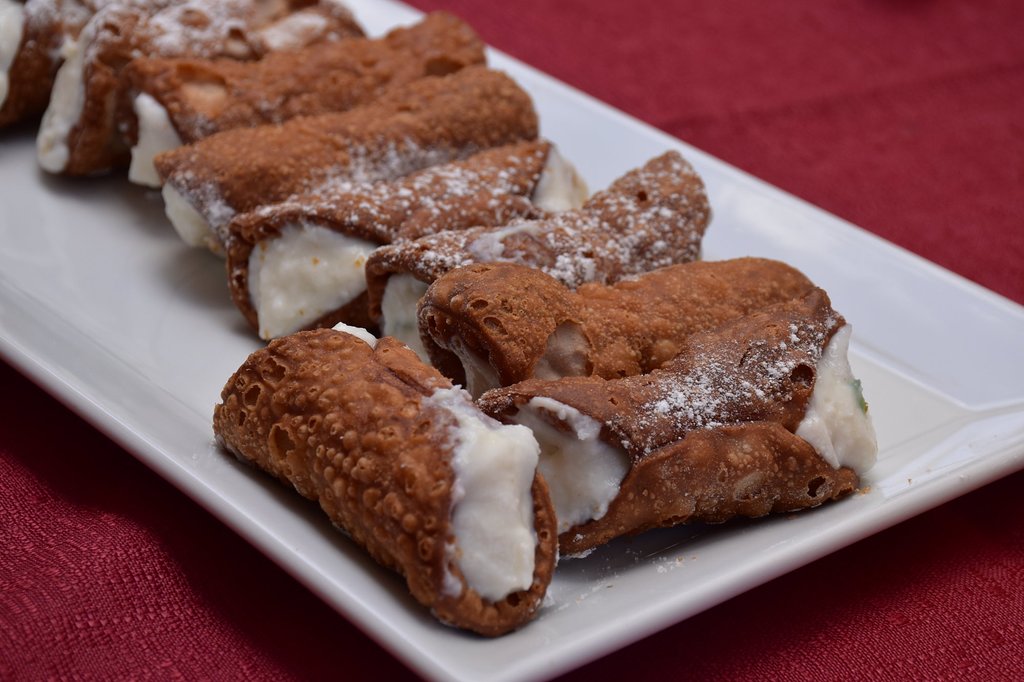
canoli-ricotta-cheese
esperienze a taormina

Escursioni
VIVI LE PIU’ BELLE ESPERIENZE IN SICILIA, ABBIAMO SELEZIONATO PER VOI LE PIU’ BELLE ESCURSIONI PRESENTI IN SICILIA.

Alloggi
CERCHI UN HOTEL DI LUSSO, CASALI ESCLUSIVI, VILLA CON PISCINA O B&B? SCEGLI L’ALLOGGIO PIU’ ADATTO A TE

Noleggio auto
IL NOLEGGIO DI UN’AUTOMOBILE IN SICILIA È IL MODO MIGLIORE PER SCOPRIRE LE PRINCIPALI BELLEZZE DELLA REGIONE SENZA ALCUN VINCOLO

Noleggio scooter
NOLEGGIARE UNO SCOOTER IN SICILIA PERMETTE DI VIVERE UN’ESPERIENZA UNICA, UNA VACANZA RICCA DI RICORDI


