Modica travel guide: historic centre, views and chocolate

Modica travel guide: historic centre, views and chocolate

Modica travel guide: historic centre, views and chocolate

Discover Modica on foot: baroque churches, panoramic viewpoints and historic chocolate shops!

Modica, with its stone stairways, baroque churches and narrow alleys that suddenly open onto sun-drenched squares, is a perfect destination if you love historic centres to explore on foot, taking the time to stop, observe and, of course, taste its famous chocolate. In this guide, I’ll take you along an itinerary that starts in the baroque heart of Modica and leads you to its traditional chocolate workshops, with a few scenic detours and a couple of suggestions for slow moments to weave into your day.

The historic centre: a climb and descent between churches and alleys

Modica is built on several levels, almost clinging to the hillsides, and its historic centre is a maze of streets that climb and descend between houses pressed closely together. It’s a city you discover by walking, without rushing, letting yourself be guided by perspectives and staircases.

The lower part, which is flatter, is where you’ll probably start your visit: here you’ll find cafés, shops, historic buildings and the windows of the first chocolate shops. As you move upwards, the landscape changes: the streets become narrower, the houses closer together, and every turn gives you a new view over the valley and the rooftops of lower Modica.

The beauty of the old town lies precisely in this: you can alternate “must-see” stops, like the grand baroque churches, with short, unplanned detours, following a staircase that intrigues you or an alley from which the scent of freshly baked sweets drifts out.

San Giorgio Cathedral: the symbol of the baroque

If there is one image that sums up Modica, it’s that of San Giorgio Cathedral dominating the town with its theatrical façade and the long staircase leading up to it. Reaching it is already an experience: the climb is gentle but steady, dotted with glimpses of the city below.

The façade of the cathedral is a triumph of baroque: columns, volutes and decorations that blend into a harmonious whole without ever feeling excessive. The interior, bright and airy, invites you to take a few minutes’ break, sit down and let your eyes adjust to the details – the altars, the paintings, the architectural elements layered over time to tell centuries of history.

If you have time, stop on the churchyard or at one of the panoramic viewpoints just above: the view over the town, especially in the late afternoon, is one of the most evocative moments of any trip to Modica.

San Pietro and Lower Modica: the city at street level

Coming down from San Giorgio and returning towards the lower part of town, you’ll encounter another iconic landmark: the Church of San Pietro. Here too a dramatic staircase welcomes you, flanked by statues that guide your gaze towards the entrance.

Lower Modica is the most “liveable” part if you like to stop often: here you’ll find cafés, pastry shops, little family-run stores and the daily bustle of the locals. It’s an excellent starting, or returning, point for planning your itinerary: you can decide whether to climb towards the viewpoints, explore the side alleys or set off on your own personal tour in search of its chocolate. This is also the right place for a coffee break or a granita, perhaps sitting at an outdoor table and watching the city go by.

The viewpoints: seeing Modica from above

One of the most fascinating aspects of Modica is how easily you can change perspective simply by tackling a new staircase. Just a few minutes of climbing are enough to move from the city lived at street level to a vantage point from above, with rooftops overlapping and church façades emerging between the houses.

Among the most interesting viewpoints, I recommend looking for a belvedere from which you can see both San Giorgio Cathedral and the pattern of the town as it unfolds along the valley. You don’t need a long list of names: often it’s enough to follow local signs or let your curiosity lead the way. Each viewpoint shows you a slightly different Modica, especially at sunset, when the lights begin to turn on. If you’re travelling with someone who loves photography, they’ll find endless inspiration here: perspectives, architectural details, contrasts between pale stone and sky.

Modica chocolate: a tradition to taste

We come to one of the main reasons why many travellers choose Modica: its chocolate. Here, chocolate is not just a typical product, but a true expression of identity, linked to an ancient method of production that you can recognise from the very first bite. Modica chocolate is known for its grainy texture and “cold” processing, which preserves the aromas and prevents the sugar from melting completely. The result is a compact bar with an intense flavour, often enriched with spices, citrus peel, nuts or other ingredients that enhance its character. In the historic centre you’ll find several long-standing chocolate shops and artisanal workshops, where you can simply walk in for a tasting or buy a few bars to take home; or you can join guided tours and short educational experiences that tell the story and stages of production.

Shops, pastry houses and small workshops

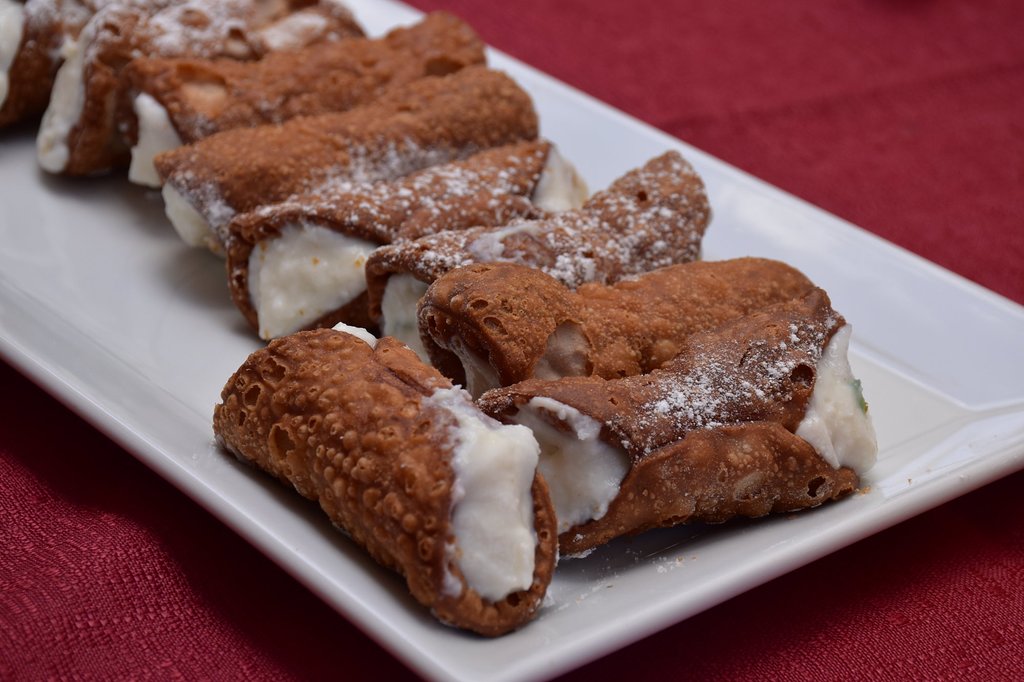
Beyond the major chocolate makers, Modica is a perfect place to discover smaller realities: family-run shops, pastry houses where, in addition to chocolate, you’ll find traditional Sicilian sweets, almond biscuits, cannoli and other specialities. You can alternate a more “educational” stop in a chocolate shop, where they explain the process, with a break in a pastry shop to taste a traditional dessert accompanied by a coffee or a local liqueur. If you’re travelling with children or curious friends, this way of visiting the city works very well: every stop becomes an opportunity to discover something new, taste and then move on to the next stage.

Modica by night: lights, views and sweet endings

In the evening, Modica changes atmosphere: baroque façades are lit up, the streets grow quieter, and the warm glow from cafés and restaurants reflects on the stone. It’s a great time to walk back through some parts of the old town you’ve already seen during the day, because under artificial light the architectural details look different.

You can treat yourself to one last stroll with no fixed route, or stop for a digestif or a dessert, or simply sit on a bench and watch the city slow down. For anyone who likes to return home with an “edible memory”, this is also the last chance to step into a chocolate shop and choose the final bars to slip into your suitcase. Modica is a town that naturally blends heritage and flavour: on one side the baroque backdrop of churches and palaces, on the other the scent of chocolate accompanying your visit from the first to the last step. If you love places to explore on foot, full of small details to notice and flavours to remember, it definitely deserves a place on your travel list.

modica centro storico

Ciao Sono Iolanda, Nel 2010 ho deciso di ritornare nella mia magica isola, la Sicilia, affinchè l’esperienza acquisita negli anni precedenti prendesse forma lì dove ero nata.

Link Utili

Dove si trova
Come raggiungerla
Numeri utili
Mappa di Siracusa
 

Escursioni in sicilia

Escursioni

VIVI LE PIU’ BELLE ESPERIENZE IN SICILIA, ABBIAMO SELEZIONATO PER VOI LE PIU’ BELLE ESCURSIONI PRESENTI IN SICILIA. 

Alloggi in Sicilia

Alloggi

CERCHI UN HOTEL DI LUSSO, CASALI ESCLUSIVI,  VILLA CON PISCINA O B&B? SCEGLI L’ALLOGGIO PIU’ ADATTO A TE

noleggio auto sicilia

Noleggio auto

IL NOLEGGIO DI UN’AUTOMOBILE IN SICILIA È IL MODO MIGLIORE PER SCOPRIRE LE PRINCIPALI BELLEZZE DELLA REGIONE SENZA ALCUN VINCOLO

noleggio scooter sicilia

Noleggio scooter

NOLEGGIARE UNO SCOOTER IN SICILIA PERMETTE DI VIVERE UN’ESPERIENZA UNICA, UNA VACANZA RICCA DI RICORDI

valle dei templi
Villages and natural spots to visit near Syracuse: unmissable places

Villages and natural spots to visit near Syracuse: unmissable places

Villages and natural spots to visit near Syracuse: unmissable places

Villages, nature reserves, gorges and sea: what to see near Syracuse, from Val di Noto to Pantalica.

Syracuse is already a small world in itself: Ortigia, the Neapolis, the seafront. Once you leave the city, though, within about an hour’s drive you enter another Sicily made of baroque villages, gorges, coastal reserves and towns that still move at a human pace. It is not just “background” to a famous destination, but a set of places that, on their own, are worth the trip. Here you will find a structured overview of the places it makes sense to consider. It is not an endless list, but a selection aimed at travellers who have a few days available and want to alternate historic towns, sea and walks in nature without spending half their time in the car.

Noto and the Val di Noto: the baroque side of the trip

The most logical first stop, once you leave Syracuse, is Noto. It is close, the road is simple and the historic centre can be covered in a few hours. The town is the symbol of the baroque style in this area. There is a main axis, the Cathedral at the top of the staircase, and noble palaces wherever you look. The pale stone absorbs the light and gives it back with different shades between morning, afternoon and sunset. For this reason, if you can choose, it is better to arrive in the late afternoon and stay until evening.

If you feel like stretching the route a bit, from Noto you can head towards Scicli and Ragusa Ibla. They are further away, but belong to the same “family” of towns: historic centres rebuilt after the 1693 earthquake, churches and domes appearing at every corner, climbs and descents that suddenly open onto unexpected views. Scicli has a close relationship with the rock surrounding it; Ragusa Ibla is almost a labyrinth, with streets that seem never‑ending and then suddenly open onto a square.

Marzamemi and the south‑eastern coast

If you like the idea of a fishing village, Marzamemi is almost a compulsory stop. It is officially a hamlet of Pachino, but in practice it has a very strong identity of its own. The heart of the village is the square, in front of the old tuna fishery, with low houses, outdoor restaurant tables and the sea a few steps away. On summer evenings it feels as if the whole village gathers there, but even in the low season the place keeps its own, slower rhythm.

Around Marzamemi the coastline is a succession of beaches and small bays. San Lorenzo, Reitani and the beaches towards Portopalo are ideal for those who want to alternate a few hours by the sea with a stroll through the village. If you have a car, in a single day you can fit in both a swim and dinner in the square, without having to rush.

Vendicari and Calamosche beach

Between Noto and Marzamemi lies the Vendicari Reserve, one of the most interesting stretches of coastline in the area. It is not just about the sea. There are coastal lagoons used by migratory birds, the remains of an old tuna plant, a coastal watchtower and a landscape that looks very different in winter compared to summer. The main access points lead to different beaches, all reachable on foot with about ten minutes’ walk.

The best known is Calamosche. It is a sheltered bay, closed off by two rocky headlands, with fine sand and usually quite calm water. There are no bars or sunbeds, so it is sensible to arrive with water and something to eat. The advantage is that, once there, the feeling is that of being in a real natural area rather than on a standard equipped beach. Spring and early autumn are the best moments to enjoy it without too much crowding.

Cavagrande del Cassibile: a freshwater canyon

If you want a break from the sea and a complete change of scenery, Cavagrande del Cassibile is a solid option. Here the river has carved a deep gorge, creating a sequence of rock pools and small waterfalls. From above you see the canyon cutting through the hills; from below you walk among vegetation, rocks and clear water.

The descent to the pools requires a bit of care. It is not a path to tackle in flip‑flops, and midday in August is not the ideal time. It is better to start early, wear closed shoes and keep in mind that the way back up is more tiring than going down. If you do not feel like descending all the way, the viewpoints along the rim of the gorge still offer wide views and already justify the detour.

Plemmirio: sea close to the city

For those who want to stay very close to Syracuse, the Plemmirio is an ideal compromise. It is a marine protected area only a few kilometres from the centre, with cliffs, rocky ledges and small coves accessible from various points. It is not the usual equipped beach, but a stretch of coast where you dive straight from the rocks and swim in very clear

cosa visitare vicino a Siracusa

Ciao Sono Iolanda, Nel 2010 ho deciso di ritornare nella mia magica isola, la Sicilia, affinchè l’esperienza acquisita negli anni precedenti prendesse forma lì dove ero nata.

Link Utili

Dove si trova
Come raggiungerla
Numeri utili
Mappa di Siracusa


Escursioni in sicilia

Escursioni

VIVI LE PIU’ BELLE ESPERIENZE IN SICILIA, ABBIAMO SELEZIONATO PER VOI LE PIU’ BELLE ESCURSIONI PRESENTI IN SICILIA. 

Alloggi in Sicilia

Alloggi

CERCHI UN HOTEL DI LUSSO, CASALI ESCLUSIVI,  VILLA CON PISCINA O B&B? SCEGLI L’ALLOGGIO PIU’ ADATTO A TE

noleggio auto sicilia

Noleggio auto

IL NOLEGGIO DI UN’AUTOMOBILE IN SICILIA È IL MODO MIGLIORE PER SCOPRIRE LE PRINCIPALI BELLEZZE DELLA REGIONE SENZA ALCUN VINCOLO

noleggio scooter sicilia

Noleggio scooter

NOLEGGIARE UNO SCOOTER IN SICILIA PERMETTE DI VIVERE UN’ESPERIENZA UNICA, UNA VACANZA RICCA DI RICORDI

valle dei templi
Sicily’s beaches: the best ones for snorkeling, boat trips and nature

Sicily’s beaches: the best ones for snorkeling, boat trips and nature

Sicily’s beaches: the best ones for snorkeling, boat trips and nature

Discover the most beautiful beaches in Sicily: from the crystal clear waters of San Vito Lo Capo to the coves of the Aeolian Islands, from the Scala dei Turchi to Marzamemi.

Talking about Sicilian beaches without ending up with a simple list is not easy, because there are too many and too many good ones. But let’s try. Sicily is an island with four different seas, each with its own personality. The Tyrrhenian on the north side, often a bit wilder and greener. The Ionian on the east coast, where the water changes colour by the hour. The Channel of Sicily to the south, with shallow seabeds and long sunsets. And the western Mediterranean around Trapani, with postcard clear waters. It is not all the same thing, and that is exactly the point.

What makes Sicilian beaches hard to forget is not just the water, even though in some spots the sea really is on another level. It is that there is always something around them. A village, a nature reserve, an island, a volcano, a piece of history. You do not just arrive at the sea and stop there. You arrive at the sea and find a context that, in this density, exists in very few places in the world. This is true for the famous beaches and even more so for the ones that never make it into any guidebook.

San Vito Lo Capo: white sand and changing colours

San Vito Lo Capo is one of those places you see in photos and assume have been heavily edited. They usually are not. The sand really is that white, the water really does shift from white to turquoise to deep blue within a few metres, and the Monte Monaco headland behind the bay frames the scene in a way that looks almost staged. We are in the province of Trapani, in northwestern Sicily, and this is probably the island’s most recognisable beach.

It is not just pretty to look at. San Vito Lo Capo is also well equipped. Beach clubs, gear rental for water sports, and several operators running trips along the coast towards the Zingaro Nature Reserve. The reserve is only a few kilometres away and can be reached by boat or on foot along a coastal trail. It hides coves with seagrass meadows, groupers and marine life that has had time to recover here. Even an hour of snorkeling in the reserve is worth the journey.

Scala dei Turchi: impossible to forget

The Scala dei Turchi is not a beach in the strict sense. It is a white marl cliff that descends to the sea in natural steps, smoothed by wind and water until it looks like it has been sculpted on purpose. The rock is bright white, almost blinding at midday, and it contrasts with the blue sea below in a way that makes you stop walking the first time you see it.

At the base of the cliff there are two small beaches, one sandy and one with pale pebbles. In July and August they fill up quickly, and there is not much to be done about that. The best idea is to come early in the morning or late in the afternoon, when the light changes and the rock takes on warm tones you do not see at midday. The water is clear and good for snorkeling, with mixed rock and sand seabeds. Nearby you can rent kayaks to paddle along the base of the cliff from the sea, which is really the right angle to understand its scale.

The Aeolian Islands: lava, wind and unique seabeds

The Aeolian Islands are seven volcanic islands off Sicily’s north coast, and each one does things in its own way. Vulcano, with its black sand. Lipari, with white pumice quarries and the green sea of Canneto. Panarea, whose seabeds divers consider among the richest in the Mediterranean. Stromboli, where lava flows meet the sea at night. It is not an archipelago that is easy to sum up, but it is the kind of place you can go back to several times without exhausting it.

Snorkeling or diving in the Aeolian Islands leaves a mark. Dive centres on almost all the islands allow even complete beginners to go underwater safely. Boat trips between the islands, organised from Lipari or from Milazzo on the mainland, are the other way to enjoy them. You leave in the morning, stop in the most beautiful coves, and at night you can anchor off Stromboli and watch the volcano at work. It is the kind of experience you do not find just anywhere.

Vendicari: the Sicily you do not expect

The Vendicari Nature Reserve is in the province of Syracuse, and its beaches can only be reached on foot along paths that cross coastal lagoons, Mediterranean scrub and dunes. There are no beach clubs, no music, no sunbeds for hire. Calamosche, Marianelli and Pillirina are three beaches many people list among the most beautiful in Italy, and it is not hard to see why. Very fine white sand, clear water, real silence.

Calamosche in particular is framed between two rocky headlands, with a sea that, in the early morning, has colours that look made up. The seabeds are shallow and sandy near the shore, then turn rocky, with seagrass and a lot of fish. Vendicari is best from spring to autumn, with May, June and September as ideal months. The weather is good, the water is already warm and there are very few people around.

The coast of Marzamemi and Capo Passero

The stretch of Ionian coastline between Marzamemi and Portopalo di Capo Passero is one locals know very well and share rather reluctantly. Spinazza, Reitani, Bove Marino and San Lorenzo are beaches where the water moves from pale green to dark blue, with shallow sandy bottoms and a pleasant feeling of being at the edge of the map, in the best sense. Just a short walk away is Marzamemi, with its square, restaurants, fresh bottarga and fishermen coming back in the morning.

Along this coast you can rent kayaks and small boats to explore at your own pace, reach coves that are invisible from land and snorkel near the rocks of Capo Passero. The island of Capo Passero, accessible by boat from Portopalo, has an old Bourbon fort and seabeds that diving enthusiasts travel here specifically to explore.

Taormina and the Etna coast: a natural stage

Isola Bella is probably the most photographed beach on the Ionian side. A small strip of shingle linked to the mainland by a narrow sand bar, with water on almost all sides and Mount Etna in the background. In high season it is crowded, but you quickly understand why. Moving a few hundred metres towards Mazzarò or Spisone is enough to find the same water with fewer people.

Further south, towards Giardini Naxos, the coastline opens up into long beaches of dark volcanic sand, calmer and more family friendly. Boat trips along the coast depart from here, with stops for snorkeling, and on summer evenings there are also excursions to Mount Etna for those who want to see the island from a different angle.

The Egadi Islands: three islands, three ways of living the sea

Favignana, Levanzo and Marettimo lie just a few kilometres off Trapani, and each of the three feels like its own world. Favignana is the largest and busiest. Cala Azzurra, Cala Rossa and Bue Marino are coves with water so clear that looking at the bottom feels like looking through glass. One of the best things about Favignana is that many beaches can be reached by bike. Cycling around the island with fins in your backpack and a picnic in your basket is one of those simple pleasures that make holidays memorable.

Levanzo is smaller and quieter, with coves that are hard to reach on foot but perfect by kayak. Marettimo is the furthest out and the least touristy. Its seabeds are considered among the best in the Mediterranean for diving, with underwater caves, wrecks and a variety of marine life that very few places in Italy can match. Dive centres on the islands organise trips for all levels.

Snorkeling, kayaking and boat trips: getting into the water

Sicilian beaches still make sense when you are not lying on them. Snorkeling in the seabeds of the nature reserves, like Vendicari, the Zingaro or Torre Salsa, is an experience that is never the same twice. Seagrass, octopus, bream, sea urchins, starfish and, in the most protected areas, even groupers and lobsters. The seabeds around the smaller islands are even richer, because fishing pressure is lower and marine life has had time to recover.

Kayaking may be the best way to explore the coastline. Sicily has stretches of shore dotted with coves that cannot be seen from land and can only be reached from the water, with rock arches, caves and seabeds that, seen from just above the surface, look completely different than they do from the beach. In San Vito Lo Capo, the Egadi, Vendicari or along the coast near Scopello, renting a kayak for half a day is simple and relatively inexpensive.

Boat trips complete the picture. They are organised from almost every harbour on the island and cover everything from three hour outings with a swim included to multi day cruises between islands. Some trips include fishing or whale watching in the Channel of Sicily, where sperm whales, dolphins and fin whales pass during migration. Seeing a sperm whale surface a few hundred metres from your boat, with Sicily in the background, is the sort of thing you end up talking about for a long time.

spiagge della sicilia

Ciao Sono Iolanda, Nel 2010 ho deciso di ritornare nella mia magica isola, la Sicilia, affinchè l’esperienza acquisita negli anni precedenti prendesse forma lì dove ero nata.

Link Utili

Dove si trova
Come raggiungerla
Numeri utili
Mappa di Siracusa


Escursioni in sicilia

Escursioni

VIVI LE PIU’ BELLE ESPERIENZE IN SICILIA, ABBIAMO SELEZIONATO PER VOI LE PIU’ BELLE ESCURSIONI PRESENTI IN SICILIA. 

Alloggi in Sicilia

Alloggi

CERCHI UN HOTEL DI LUSSO, CASALI ESCLUSIVI,  VILLA CON PISCINA O B&B? SCEGLI L’ALLOGGIO PIU’ ADATTO A TE

noleggio auto sicilia

Noleggio auto

IL NOLEGGIO DI UN’AUTOMOBILE IN SICILIA È IL MODO MIGLIORE PER SCOPRIRE LE PRINCIPALI BELLEZZE DELLA REGIONE SENZA ALCUN VINCOLO

noleggio scooter sicilia

Noleggio scooter

NOLEGGIARE UNO SCOOTER IN SICILIA PERMETTE DI VIVERE UN’ESPERIENZA UNICA, UNA VACANZA RICCA DI RICORDI

valle dei templi
Marzamemi: what to see, do and eat in Sicily’s most authentic fishing village

Marzamemi: what to see, do and eat in Sicily’s most authentic fishing village

Marzamemi: what to see, do and eat in Sicily’s most authentic fishing village

Discover Marzamemi, the fishing village on Sicily‘s southeastern coast, famous for its historic tonnara, bottarga, Piazza Regina Margherita and crystal-clear beaches. A complete guide to what to see, where to eat and when to visit.

If you want to understand what the Sicilian South is really about, come to Marzamemi. You don’t need much of an explanation: you’ll get it as soon as you sit down in the square with a glass of wine in front of you and the sea just a few steps away. This small fishing village, tucked into the southeasternmost tip of Sicily, in the province of Syracuse, is one of those places you stumble upon almost by accident and find it hard to leave. A hamlet of the municipality of Pachino, it sits a short distance from Noto and the island of Capo Passero, with the Ionian Sea wrapping around every corner.

Marzamemi is often described as “authentic”, and in this case the word is earned. It wasn’t built for tourism, even though visitor numbers have grown considerably in recent years. It’s a place where fishermen still go out at night, where bottarga is made the same way it was a century ago, where the fishermen’s houses around the square haven’t been turned into boutique hotels but remain actual homes. The respect for one’s own roots here isn’t a slogan — it’s a daily practice.

The origins of Marzamemi: Arabs and Sicilian princes

The name is Arabic, as were the first people to settle permanently along this stretch of coastline. “Marsà al Hamen” – the harbour of the turtledoves – was what Arab sailors called this small natural port, visited by turtledoves during their spring migrations across the Strait of Sicily. That was around the year one thousand, and with the Arabs came the tonnara and the first permanent structures. From that moment on, Marzamemi never stood still.

The most important turning point came in the eighteenth century, when the Villadorata family took charge of the village. The prince commissioned the palace, the loggia, the chapel dedicated to Saint Francis of Paola, and the low fishermen’s houses that still form the historic heart of Marzamemi today. The year 1752 is officially recognised as the founding date of the village in the form we know it. That architectural project — sober and coherent — has made Marzamemi one of the best-preserved examples of a noble-founded village in southern Italy.

What to see in Marzamemi

Marzamemi isn’t large, and that’s one of its strengths. You can explore the whole thing on foot, with no set schedule, letting yourself be pulled along by the alleyways, the smell of the sea and the sounds of the square. You don’t need a map: sooner or later you always end up facing the water.

The starting point is Piazza Regina Margherita, the true heart of the village. Surrounded by the fishermen’s low houses, restaurants with colourful outdoor tables and artisan shops, the square is one of those places that works at any hour of the day. In the morning the fishermen are mending their nets, in the afternoon tourists stroll and children play, in the evening the whole life of the village converges here — slow and unhurried.

On the western side of the square stands the Palace of the Prince of Villadorata, recognisable by its wooden portal and arch decorated with the noble coat of arms. The five bracket-shaped human faces on the façade were designed to channel rainwater into the cisterns below — a practical solution that became, over time, one of the building’s most distinctive architectural features. Step inside the courtyard and an ancient fig tree seems to stand as a silent witness to everything that has passed through here over the last two and a half centuries.

On the eastern side of the square opens the Arab Courtyard, a sheltered space suspended in time, where the ancient stones and the sound of the approaching sea create an atmosphere that’s hard to find anywhere else. The Church of Saint Francis of Paola completes the picture: deconsecrated after damage during the Second World War, it remains an important spiritual and visual landmark for the community, while religious services are now held in the newer church opposite.

The Tonnara is Marzamemi’s most powerful symbol. Built in its current form in 1752, it was for centuries the economic engine of the entire village. The bluefin tuna fishing using the mattanza technique set the rhythm of family life, determined who worked and how, and left a deep mark on the community’s collective memory each year. Today the tonnara is no longer active as a fishing site, but it hosts cultural events, receptions and exhibitions. Nearby, the Balata — the squared stone ramp that led down to the small harbour and was used to haul boats ashore during winter — is now one of the most photographed spots in the village.

Offshore, visible from the water and now firmly part of the collective imagination, sits the Islet of Brancati. A small rocky outcrop with a villa painted vivid red, built in the late nineteenth century by Raffaele Brancati, cousin of the celebrated writer Vitaliano. That splash of red against the blue of the Ionian Sea has become Marzamemi’s most recognisable visual symbol.

The beaches around the village

Anyone coming to Marzamemi in search of the sea won’t be disappointed. The beaches along this stretch of coastline are among the finest on the Ionian side of Sicily: crystal-clear water, shallow sandy seabeds, colours that shift from turquoise to deep blue depending on the time of day. Spinazza, Marinella, Bove Marino, Reitani and San Lorenzo are the most popular, some with beach clubs offering sun loungers and food service, others completely undeveloped and free. The proximity to the Vendicari Nature Reserve — with its coastal lagoons and unspoilt beaches — makes the whole area one of the most pristine natural environments in the Mediterranean.

What to eat in Marzamemi

Talking about food in Marzamemi means talking about Mediterranean bluefin tuna. It’s the undisputed star of the local cuisine, prepared in ways that range from absolute simplicity to more refined technique. Bottarga — made by salting and drying bluefin tuna roe — is the ingredient that best tells this tradition’s story. Grated over spaghetti with garlic, extra virgin olive oil and a pinch of chilli, it produces a dish whose simplicity is almost deceptive, because the flavour is intense, deeply marine and unforgettable.

Campisi Conserve, in business since 1854, and Adelfio Conserve, with over ninety years of history, are the two producers that best represent this tradition. Bottarga, ventresca in olive oil, smoked swordfish, tuna fillets, and vegetable preserves made with Pachino IGP cherry tomatoes: their products line the shelves of the village’s shops and are among the most sought-after food souvenirs for visitors passing through.

Beyond bottarga, the local kitchen offers tuna alla ghiotta — cooked with Pachino cherry tomatoes, capers, olives and chilli in a balance of flavours that tastes unmistakably Sicilian. Sea urchins, pasta with squid ink, swordfish and mixed fried fish in paper cones round out a repertoire that shifts with the seasons and with whatever the sea offers each day. To finish the right way, a granita of almond or lemon served with the brioche col tuppo is a Sicilian morning ritual worth surrendering to completely.

Events: cinema, festivals and traditions

Marzamemi has a strange, almost inevitable relationship with cinema. Gabriele Salvatores shot “Sud” here and wrote somewhere that the village is “a paradigm of the South” — one of those phrases that stays with you. Giuseppe Tornatore returned for some scenes of “The Star Maker”, the Taviani brothers for “Kaos”. It’s no coincidence: that square, with the light hitting the stones in a particular way in the late afternoon, really does seem built to be filmed.

From this connection grew the Cinema di Frontiera Festival, which every summer turns Piazza Regina Margherita into an open-air cinema — the largest and most southerly in Europe. It’s not a niche event: over the years it has grown in stature, audience and quality of guests. Those who can’t make it in summer have other dates to aim for: the Marzamemi Cinefest in September and the Book Fest in October, dedicated to literature in dialogue with the territory.

The most deeply felt event, though, remains the Feast of Saint Francis of Paola, the village’s patron saint, celebrated on the third Monday of August. It starts at dawn, with cannon shots from the harbour waking the whole village. Then the solemn masses, and in the afternoon the traditional maritime competitions — the Sack Race, the Cuccagna a mare (a greasy pole over the water), and the rowing regatta. The moment everyone waits for is the procession at sea: the statue of the saint carried by boat to the ancient harbour of the tonnara, with the faithful following on foot along the shore and other vessels escorting it across the water.

The surroundings: Noto, Vendicari and Portopalo

Marzamemi is small, but it sits in an extraordinarily rich corner of Sicily. The Vendicari Nature Reserve is less than ten kilometres away: coastal lagoons, sand dunes, white beaches, and during migration season a quantity of birds that genuinely stops you in your tracks. Noto is twenty kilometres away: UNESCO Baroque, the cathedral, the noble palaces, streets in the old town that seem made to be walked without any particular destination in mind. Pachino is practically next door and is the home of the IGP cherry tomato and Nero d’Avola wine — two things that appear on every table in the village.

From Marzamemi starts the trail of the two tonnare, hugging the coastline all the way to Portopalo di Capo Passero, the southernmost point of Sicily. Rocky coastline, open sea, the island of Capo Passero in the distance. Best done early in the morning, before the sun climbs too high.

Marzamemi isn’t the kind of place you explain — it’s the kind you remember. People come back not because there’s always something new to see, but because that square, that light and that pasta with bottarga have a quality that simply doesn’t exist anywhere else.

Ciao Sono Iolanda, Nel 2010 ho deciso di ritornare nella mia magica isola, la Sicilia, affinchè l’esperienza acquisita negli anni precedenti prendesse forma lì dove ero nata.

Link Utili

Dove si trova
Come raggiungerla
Numeri utili
Mappa di Siracusa


Escursioni in sicilia

Escursioni

VIVI LE PIU’ BELLE ESPERIENZE IN SICILIA, ABBIAMO SELEZIONATO PER VOI LE PIU’ BELLE ESCURSIONI PRESENTI IN SICILIA. 

Alloggi in Sicilia

Alloggi

CERCHI UN HOTEL DI LUSSO, CASALI ESCLUSIVI,  VILLA CON PISCINA O B&B? SCEGLI L’ALLOGGIO PIU’ ADATTO A TE

noleggio auto sicilia

Noleggio auto

IL NOLEGGIO DI UN’AUTOMOBILE IN SICILIA È IL MODO MIGLIORE PER SCOPRIRE LE PRINCIPALI BELLEZZE DELLA REGIONE SENZA ALCUN VINCOLO

noleggio scooter sicilia

Noleggio scooter

NOLEGGIARE UNO SCOOTER IN SICILIA PERMETTE DI VIVERE UN’ESPERIENZA UNICA, UNA VACANZA RICCA DI RICORDI

valle dei templi
Favignana: beaches, sea and things to do on the island

Favignana: beaches, sea and things to do on the island

Favignana: beaches, sea and things to do on the island

An island with a history as long as the Mediterranean

Before it was called Favignana, this island was known as Egusa, from the Greek Aigousa: “the one that has goats”, a name rooted in the reality of a place where animals outnumbered people. The Romans knew it as Aegusa, and in its waters in 241 BC the naval battle that ended the First Punic War was fought; a decisive Roman victory, in the same waters that today you cross by dinghy from one cove to the next.

Arab geographers called it Djazirat ar Rahib, “island of the monk”, after a Norman castle built on the island’s highest peak, the Castello di Santa Caterina, where a hermit is said to have withdrawn from the world. That castle is still there: 314 metres above sea level, with views over the entire Egadi archipelago and the Trapani coastline. The painter Salvatore Fiume described it as a “butterfly on the sea”, and anyone who flies over it or looks at it on a map immediately understands why. The current name comes from the Favonio, the warm, steady westerly wind that keeps the climate mild even out of season.

The island covers about 19 km² with 33 km of irregular coastline, full of caves, crevices and coves that open up without warning between the rocks. The vegetation is sparser today than in ancient times, stripped away over the centuries, but the landscape has a ruggedness that makes it unmistakable: pale rock, Mediterranean scrub, and a sea that changes colour every half hour.

Favignana’s beaches and coves

Favignana has little fine, continuous sand, plenty of rock shaped by millennia of water, and perfect coves for swimming and diving. It is precisely this that makes it unique in the eyes of those who visit.

Cala Rossa is the most photographed spot on the island, and the photographs do not lie: the limestone rock, streaked with red and white, drops into turquoise water with a sheer verticality that leaves an impression even on a third visit. This is not a beach for lying down; it is a setting. You can reach it by bike in fifteen minutes from the village, along a flat road that cuts through the tufa stone.

Cala Azzurra, on the opposite side of the island, is the destination for snorkelling: shallow seabed, crystal-clear water, fish visible to the naked eye right from the shore. It also has a small beach of smooth rocks where it is worth staying until sunset.

The two proper sandy beaches, Spiaggia Praia and Lido Burrone, are ideal for families with young children: a gently sloping seabed, shallow water and nearby facilities. Lido Burrone is the more organised of the two, with beach clubs and bars; Praia is quieter and more sheltered. Cala Rotonda has a natural arch in the rock that, at the right time of the afternoon, frames the setting sun perfectly. Cala San Nicola, less visited than the others, is worth the detour for the silence and for the nearby archaeological site.

There is more to discover along the coastline. The rocky shores of Bue Marino and Scalo Cavallo are popular with those who enjoy diving into deep water from a few metres up; for more experienced divers, Punta Fanfalo is the more demanding option. Calamoni, Punta Longa, Preveto with its pebbles and the small Marasolo beach complete a coastline that never stops surprising.

Finally, for those who want to explore by water, the Grotta degli Innamorati and the Grotta Perciata are accessible only by sea, and they are among the main reasons why hiring a dinghy or booking a boat trip is one of the most worthwhile things you can do on the island.

Things to do in Favignana beyond the sea

Favignana is small, but there is no shortage of things to see and do. The Museum of the former Florio Tuna Factory is where you begin to understand what made this island important for the better part of two centuries. The Florio family bought Favignana in 1874 and turned the industrial tuna processing plant into one of the most advanced facilities in the Mediterranean for the handling of bluefin tuna. The building itself is imposing, built in tufa stone, and the guided tours tell, without unnecessary rhetoric, the story of an economy that shaped every aspect of island life.

From there, it is worth visiting the tufa quarries and the hypogeal gardens, one of the most unusual sights on the island. For centuries, the pirriatori quarrymen extracted calcarenite blocks by hand, the same stone used to build palaces, churches and homes across Sicily and North Africa. What remains are large, geometrically precise cuts in the rock, deep and silent, where today lush plants and privately tended gardens have taken root in the recovered spaces.

The Castello di Santa Caterina rewards the effort of the climb with views over the archipelago that are hard to forget. If walking up is not appealing, local tours offer the option of reaching the summit by donkey, one of the more unusual activities the island has to offer. For those who prefer to go on foot, the Monte Santa Caterina has trails through the scrubland that look different in every season.

Punta Sottile, on the western tip of the island, is the place to wait for sunset: the lighthouse, the open sea, the sun going down. No planning required; you just need to get there in time. For photographers, the island offers good light from early morning through to dusk, with the middle hours ideal for the colours of the sea and the low-angle hours better suited to the tufa stone architecture of the historic centre.

The village itself is easy to cover on foot: the two main squares and the small harbour take about twenty minutes at a relaxed pace. The seafront promenade looks out towards Levanzo and has a handful of bars where you can sit with a granita or a gelato and watch the ferries come and go. In the local pastry shops, cassatine, cassatelle and cannoli are still made to traditional recipes. Among the products worth bringing home, bottarga, ventresca and oil-packed tuna from the tonnara are the most authentic choices; the small tufa sculptures made by local craftsmen are the most original souvenir you will find.

Getting to Favignana

The starting point is almost always Trapani. The Liberty Lines hydrofoils run hourly from morning to evening, covering the crossing in 20 minutes on the direct service, or 30 minutes if the boat also stops at Levanzo. The ticket office is right in front of the departure pier. In summer, booking online in advance is recommended to avoid queues, especially on July and August weekends.

Ferries take just over an hour but allow you to bring bicycles, scooters and cars on board. The ticket office and boarding point are located at the maritime station of Trapani port. Here too, advance booking is advisable in high season. For tailored arrangements based on specific schedules or group sizes, local operators running boat excursions and maritime transfers can organise solutions on request.

Exploring the island by boat

Many of Favignana’s finest sights cannot be seen from land. The sea caves, the underwater scenery along the cliffs, the profile of the coastline seen from open water: all of this requires a boat. Day excursions run by local operators allow you to reach, in a single day, Bue Marino, Cala Azzurra, Cala Rossa and the Grotta degli Innamorati, with stops for swimming and snorkelling in the most sheltered coves. Some tours extend to Levanzo, the nearest island, with its prehistoric caves and still-intact seabeds. Those who prefer to move independently can hire a dinghy directly from Favignana harbour.

Ciao Sono Iolanda, Nel 2010 ho deciso di ritornare nella mia magica isola, la Sicilia, affinchè l’esperienza acquisita negli anni precedenti prendesse forma lì dove ero nata.

Link Utili

Dove si trova
Come raggiungerla
Numeri utili
Mappa di Siracusa


Escursioni in sicilia

Escursioni

VIVI LE PIU’ BELLE ESPERIENZE IN SICILIA, ABBIAMO SELEZIONATO PER VOI LE PIU’ BELLE ESCURSIONI PRESENTI IN SICILIA. 

Alloggi in Sicilia

Alloggi

CERCHI UN HOTEL DI LUSSO, CASALI ESCLUSIVI,  VILLA CON PISCINA O B&B? SCEGLI L’ALLOGGIO PIU’ ADATTO A TE

noleggio auto sicilia

Noleggio auto

IL NOLEGGIO DI UN’AUTOMOBILE IN SICILIA È IL MODO MIGLIORE PER SCOPRIRE LE PRINCIPALI BELLEZZE DELLA REGIONE SENZA ALCUN VINCOLO

noleggio scooter sicilia

Noleggio scooter

NOLEGGIARE UNO SCOOTER IN SICILIA PERMETTE DI VIVERE UN’ESPERIENZA UNICA, UNA VACANZA RICCA DI RICORDI

valle dei templi
What to see in Marsala: salt pans, wine and history

What to see in Marsala: salt pans, wine and history

What to see in Marsala: salt pans, wine and Phoenician history

Marsala: salt pans, wineries and historic center. Complete guide!

Marsala welcomes you with the scent of the sea and wins you over with the delicious taste of its wine produced by historic wineries, a mix that accompanies you as you wander through the streets of the town center. Marsala has a long history that starts with the Phoenicians in the 8th century BC and continues all the way to Garibaldi’s landing, passing through Romans, Arabs, and Normans. And each domination has left something: a building, a word in the dialect, a dish that is still cooked today. But what to see in Marsala? What are the must-see places in this wonderful Sicilian city? Let’s find out!

What to see in Marsala? Start from the Stagnone Salt Pans and Salt Museum

Take the car and head north, ten kilometers of coastal road that runs along the Stagnone Reserve. The salt pans appear suddenly with geometric pools that stretch to the horizon separated by thin embankments where workers walk in rubber boots.

The water is shallow, very hot in summer, so salty that you float effortlessly while the windmills mark the landscape with their silhouettes, some restored and functioning, others reduced to picturesque ruins. The Salt Museum is housed in one of these windmills, along the main road, and with a ticket (which costs very little) you can enter a world that has existed for three thousand years and has undergone minimal changes over time.

During the visit they explain how seawater is circulated between the pools with millimetric gradients, how the sun and wind evaporate the water until only the crystals remain, how the wind-powered millstones crushed the coarse salt. Outside there are still the white mountains covered with red tiles, the same protection against rain that the great-grandfathers of today’s salt workers used.

Mozia and the Whitaker Museum

Near Marsala you should visit Mozia, reachable by a small boat that departs from the dock on the Stagnone coast. Five minutes of navigation in very shallow waters, so much so that you can see the sandy bottom under the keel. The island belongs to the Whitaker Foundation, an English family who bought it in the 19th century to conduct archaeological excavations and still manages it, preserving it from speculation.

Getting off the boat you find yourself among olive groves and vineyards that hide the remains of Mozia, a Phoenician colony founded eight centuries before Christ. The Phoenicians came from the Lebanese coast, great navigators and merchants who controlled the Mediterranean routes. Here they had built a rich and fortified city that prospered until 397 BC, when Dionysius of Syracuse razed it to the ground after a very harsh siege.

During the visit you can walk among the remains of the cyclopean walls, touch stones that are more than two thousand years old, see the Kothon which was perhaps a sacred port or a basin for repairing ships. The submerged road that connected the island to the mainland can still be seen when the tide is low, regular blocks placed on the seabed that allowed the passage of carts and people.

The Whitaker Museum instead preserves the finds from the excavations, but there is one piece that is worth the trip alone: the Youth of Mozia. Found in 1979 buried under rubble, a marble statue from the 5th century BC, one meter eighty tall, representing a young man with drapery that adheres to his body revealing every muscle. Archaeologists still debate whether it’s a charioteer, a warrior or a priest, but the artistic quality is so high that it leaves you speechless.

Archaeological Park of Lilibeo and Baglio Anselmi Museum

After Dionysius destroyed Mozia, the survivors founded Lilibeo on the mainland, where Marsala stands today. It became an almost impregnable Punic fortress, resisted Greek sieges and then passed to the Romans who transformed it into a rich city with luxurious villas and elaborate baths.

The Archaeological Park is within walking distance, ten minutes on foot from the center, and when you arrive you can only admire the remains of Roman houses and streets with the Insula that preserves still brilliant polychrome mosaics. There are still the colored geometries that decorated the floors of the rooms, the thermal complex with the calidarium and frigidarium.

To visit immediately after is the Baglio Anselmi Museum which holds a unique treasure: a Punic warship thirty-five meters long that sank during the First Punic War and was recovered in 1971 from the seabed off Marsala.

It is one of the very few examples in the world of a preserved Phoenician-Punic vessel, the wooden skeleton of the keel and ribs that show the naval construction techniques of a people who dominated the sea. Nearby there are amphorae, anchors, pieces of equipment, panels that tell of the battles between Rome and Carthage that took place in these waters.

The archaeological section displays ceramics, statues, funerary inscriptions that document daily life through the centuries. One room collects ancient fishing tools: bronze hooks, net weights, harpoons that testify how central the sea was to the local economy thousands of years ago.

The wineries and the Marsala tradition

The history of Marsala wine begins in 1773 when the Englishman John Woodhouse tasted this local liqueur and thought that with some modifications it could compete with Port and Sherry. He was right: he added brandy to stabilize it during sea transport and began exporting it to England where it was immediately successful. After that other Englishmen arrived, and finally the local entrepreneurs who took back control of production.

The historic wineries open for guided tours that take you inside enormous cellars where millions of liters of wine age in oak barrels. Some of these barrels contain Marsala that has been resting for decades, waiting for the right moment to be bottled. The atmosphere is special: filtered light, sweet and spicy aromas in the air, silence interrupted only by the sound of your footsteps on the stone floor.

During the tasting you sample the different types: the dry that the English drank as an aperitif, the sweet that accompanies Sicilian desserts, the Vergine aged at least five years without the addition of cooked must which reveals unexpected complexity. Marsala has suffered for years from the reputation of “cooking wine,” but quality versions prove that it can compete with great international fortified wines.

It is recommended to book the visit especially in summer when there are more people. The wineries are generally located on the waterfront or in areas near the center. Some organize special events with tastings paired with local cheeses, cured meats and sweets, or meetings with oenologists who explain the production processes.

The beauty of Marsala’s historic center

The visit to Marsala’s historic center starts from Piazza della Repubblica dominated by the Cathedral dedicated to St. Thomas Becket which they began building in 1176 and finished centuries later adding pieces of different styles. Inside there are seventeenth and eighteenth-century paintings, wooden sculptures, the Tapestry Museum with eight Flemish pieces from the sixteenth century depicting the conquest of Jerusalem.

Palazzo VII Aprile takes its name from the date of 1860 when Marsala voted for annexation to the Kingdom of Italy after Garibaldi’s landing. The Church of Purgatory shows Sicilian Baroque in its most exuberant version: an animated facade with columns, niches, decorations that create plays of light, interior covered with eighteenth-century stuccos.

Walking around the center allows you to discover the city’s history by crossing the narrow and winding streets inherited from the Arabs, the Norman arches, the noble Baroque palaces. The fish market in the morning is a spectacle worth visiting, stalls with freshly caught fish and vendors haggling in dialect with customers using gestures and rituals handed down through generations.

Finally, Porta Garibaldi which is the only remaining piece of the ancient walls, marks the boundary between the old city and the new one. Around it there are artisan shops, pastry shops with Marsala genovesi (cream-filled pastries that took their name from the Genoese who brought them here centuries ago), wine bars where you can taste local wines with pecorino cheeses and Iblean cured meats.

All the main practical information for visiting Marsala

To visit Marsala, if you choose to fly then the nearest airport is Trapani-Birgi, fifteen kilometers that you cover in twenty minutes by car or with the Salemi bus that costs three euros and makes several trips a day. If you arrive from Palermo (one hundred kilometers) you can instead choose to rent a car or take the regular buses, but you need the car to get to the salt pans and Mozia. You can walk around the center without problems, everything is concentrated in a few streets. For the salt pans you need ten kilometers by car along the coast, a scenic road worth driving slowly while stopping at the most beautiful viewpoints.

The beaches of Marsala instead are along the Stagnone lagoon, shallow sandy bottoms perfect for families and for those doing kitesurfing or windsurfing taking advantage of the constant wind. There are equipped beach clubs with umbrellas and restaurants, but also free stretches where you can lie on your towel without paying. The sunset from the beach is memorable, with the sun that colors the salt pans red and the windmills that become black silhouettes against the sky.

Two full days are enough to see everything calmly: one day dedicated to the center, the archaeological park and the wineries, the other to the salt pans and Mozia. If you have less time you can concentrate the main things in one intense day, but Marsala invites you to slow down, to sit in the cafés in the square, to walk along the waterfront when the sun sets, to let yourself be surprised by details you discover turning a corner.

Cosa vedere a Marsala

Hello, I’m Iolanda, In 2010, I decided to return to my magical island, Sicily, so that the experience I had gained over the previous years could take shape in the place where I was born.

Escursioni in sicilia

Escursioni

VIVI LE PIU’ BELLE ESPERIENZE IN SICILIA, ABBIAMO SELEZIONATO PER VOI LE PIU’ BELLE ESCURSIONI PRESENTI IN SICILIA. 

Alloggi in Sicilia

Alloggi

CERCHI UN HOTEL DI LUSSO, CASALI ESCLUSIVI,  VILLA CON PISCINA O B&B? SCEGLI L’ALLOGGIO PIU’ ADATTO A TE

noleggio auto sicilia

Noleggio auto

IL NOLEGGIO DI UN’AUTOMOBILE IN SICILIA È IL MODO MIGLIORE PER SCOPRIRE LE PRINCIPALI BELLEZZE DELLA REGIONE SENZA ALCUN VINCOLO

noleggio scooter sicilia

Noleggio scooter

NOLEGGIARE UNO SCOOTER IN SICILIA PERMETTE DI VIVERE UN’ESPERIENZA UNICA, UNA VACANZA RICCA DI RICORDI

valle dei templi