Visiting Isola Bella from Taormina: how to get there, what to see

Visiting Isola Bella from Taormina: how to get there, what to see

Visiting Isola Bella from Taormina: how to get there, what to see and when to go

Find out how to plan an itinerary in Lipari, one of the most beautiful islands in the Aeolian archipelago.

Taormina and Isola Bella face each other just a few kilometres apart: the town above, clinging to the rock, and the bay below, where a small, green-covered islet lies only a few metres from the shore. Anyone arriving from eastern Sicily or travelling along the Ionian coast finds a fairly rare combination: a well-developed historic centre, a small nature reserve just underneath it and a network of connections that allows you to get from the main street down to the beach in roughly half an hour.

For most travellers planning a trip, Isola Bella naturally ends up on the list of things to see in Taormina; what really makes the difference are the times of day you choose and how you fit movements together: cable car, buses, a few walking stretches, sea conditions, and your willingness to go down during peak hours or instead look for quieter moments. It is not a remote or difficult place to reach, but an area that, especially in summer, requires a minimum of planning if you want to avoid unnecessary queues and an overcrowded beach.

Taormina and Isola Bella: where they are and what they are like

Isola Bella lies along Sicily’s Ionian coast, between Giardini Naxos and Letojanni, directly below the slope on which Taormina stands. The bay takes its name from the islet at its centre which, seen from above, appears as a patch of vegetation linked to the shore by a strip of pebbles whose width changes according to the sea level and wave conditions. Just behind the beach run State Road 114 and the railway line, with trains travelling parallel to the coast.

The town itself sits on a higher level: Corso Umberto, Piazza IX Aprile, the Ancient Theatre and the public gardens all lie on this upper terrace. Vehicle access is regulated, cars are left in multistorey car parks and people move around mostly on foot. The connection with the sea, in this context, is not immediate but goes through a series of intermediate levels: the cable car down to Mazzarò, a few access roads for vehicles and the viewpoint on Via Pirandello, from which a path with steps leads down towards Isola Bella.

From an administrative point of view, the islet and a stretch of surrounding sea form part of a regional nature reserve, created in the late 1990s and now included in the Naxos Taormina Archaeological Park. This entails controlled access, staff on site, restrictions on building and on certain activities, as well as specific attention to the vegetation, wildlife and historic structures on the island.

The history of Isola Bella

The story of Isola Bella begins in the Bourbon era and spans two centuries of changes in ownership, private projects and public interventions. In 1806 Ferdinand I of Bourbon donated the islet to the Municipality of Taormina, which thus became its formal owner. Towards the end of the nineteenth century, around 1890, the island was purchased by the English noblewoman Florence Trevelyan for a sum contemporary sources put at around 14,000 lire.

Florence Trevelyan, connected to the British court and relocated to Sicily after being distanced from that environment, settled in Taormina and married the doctor Salvatore Cacciola. A keen botanist, she used Isola Bella as both a holiday retreat and a place to experiment with new plant species: she had a small house built there and introduced exotic plants which, over time, blended with the pre-existing Mediterranean scrub, creating the mixture of vegetation that still characterises the islet today.

After her death, the island passed to her nephew, the lawyer Cesare Acrosso, who sold it to the Lo Turco family. In 1938 it was bought by the Bosurgi family from Messina, industrialists in the citrus-processing sector with the Sanderson company. During this period several residential units were built, partly carved into the rock and linked by stairways and terraces, with the intention of integrating the buildings into the vegetation. Many of these spaces now form part of the natural history museum route.

The bankruptcy of Sanderson in the early 1980s led to the island being auctioned off and to a period of neglect: the area was poorly maintained, some structures were damaged and the vegetation was no longer managed with any regularity. In 1984 the Region of Sicily declared Isola Bella a site of historical and artistic interest, recognising its value from both a natural and cultural point of view. In 1990 the Regional Department of Cultural Heritage formally acquired it, and in 1998 the nature reserve was established, initially entrusted to WWF and later to CUTGANA and the Naxos Taormina Archaeological Park.

With the creation of the Regional Natural History Museum, the islet became fully integrated into a system of regulated visits: limited-capacity admissions, defined internal routes, seasonal opening hours and ticketing that includes standard tickets, reduced rates and concessions for local residents. This framework helps maintain a balance between tourism and conservation, especially given the presence of sensitive plant and animal species.

What to see and do on Isola Bella

From a practical standpoint, a visit to Isola Bella breaks down into three main components: spending time on the beach and in the bay, accessing the islet and its natural history museum if you wish, and taking part in sea-based activities such as boat trips. Depending on how much time you have, you can focus solely on the bathing side or set aside a few hours for the more naturalistic and museum elements as well.

The beach is entirely made up of pebbles, ranging from larger stones to fine gravel, so it is often useful to bring sandals or water shoes. The seafront is partly occupied by beach clubs, such as Lido Mendolia, Lido Pizzichella and Lido La Plage, which offer umbrellas, sunbeds and basic services, and partly by sections of free beach. The choice between the two depends largely on how long you plan to stay and whether you need services close at hand, bearing in mind that in peak season free areas tend to fill up quickly, often by mid-morning.

Access to the islet is via the pebble spit that links it to the mainland. On calm days this spit is clearly visible and easy to cross; when the sea is rough or the water level higher, it narrows and can require a little more care. Once on the island, visitors follow a marked route that leads through vegetation, terraces and structures created by past owners, and up to a few viewpoints over the bay and the coastline. Entry is managed through set time slots and small groups, with a maximum number of people allowed at any one time to prevent overcrowding.

The natural context includes Mediterranean scrub coexisting with exotic species introduced in the Trevelyan period, wildlife that includes seabirds using the islet as a resting and nesting area, and an endemic lizard, Podarcis sicula medemi, for which specific conservation measures have been adopted. Limits on night-time lighting and restrictions on the number of simultaneous visitors are part of this protection strategy.

On the opposite side, along the coast, the presence of Villa Caronia and its terraced garden adds another point of interest: the terraces, olive trees and various plant species provide a different way of reading the bay, with a viewpoint that encompasses Capo Taormina, Giardini Naxos and Isola Bella. Boat excursions, finally, are offered by several local operators, either from the area around Isola Bella or from Giardini Naxos, with routes that typically include the Grotta Azzurra, the Grotta della Conchiglia and stretches of coastline towards the Bay of Naxos.

Taormina cable car and links to the bay

The Taormina–Mazzarò cable car is the most widely used link between the town centre and the coastal strip. The departure station is on Via Pirandello, a few minutes’ walk from Porta Messina, while the arrival station is located above Mazzarò, close to the beach access points. The journey takes around three minutes and the service runs frequent trips, with extended hours during the summer months.

For those staying in the town centre, the cable car is often the simplest option: it avoids driving along the coastal road and having to find parking, and it makes travel times fairly predictable. The classic combination for visiting Isola Bella is cable car to Mazzarò and then a short walk along the road to the staircase leading down to the bay. On very busy days it is advisable to allow for some extra time in case of queues, especially in late morning and early afternoon.

Scheduled maintenance closures are announced in advance, but strong winds or technical issues can still lead to temporary suspensions. In such cases it is useful to have an alternative ready – whether a bus or a taxi – particularly if you need to be back in Taormina by a specific time.

How to get to Isola Bella and when to go

Anyone wondering how to reach Isola Bella from Taormina has four main options. The first is the cable car, which remains the most practical solution for those starting from the town centre. Once you arrive in Mazzarò, you walk the short stretch of road to the start of the staircase down to the bay; the remaining difference in height is modest and the route is manageable for anyone without specific mobility issues.

The second option is the footpath from the viewpoint on Via Pirandello. From this panoramic terrace, a stepped path descends towards State Road 114 near the entrance to the Isola Bella staircase. The way down is fairly straightforward, while the climb back up is more demanding, especially on hot days. This route appeals to those who prefer to avoid mechanical transport and want to include the descent to the sea as part of a walk.

The third possibility is the local bus service running from the Taormina terminal down to Mazzarò and the Isola Bella area. The journey takes about ten minutes, return tickets are reasonably priced and the stops are located close to the beach access points. It is an effective option when the cable car is suspended or very crowded, provided you keep an eye on the timetable for the last bus back.

Lastly, there is the private car, often used in combination with taxis. Driving is generally discouraged during peak summer weeks: parking spaces near the bay are limited and fill up quickly, the access road is narrow and manoeuvring vehicles looking for a space often causes traffic jams. A short taxi ride between Taormina and the Isola Bella area, on the other hand, has a relatively modest cost over such a short distance and can be useful when travelling with luggage or children.

Choosing when to visit Isola Bella depends on a mix of factors: weather, sea conditions, visitor numbers and the status of the reserve. From a climatic point of view, the period from late spring to early autumn offers the best conditions for swimming and spending time on the beach. July and August coincide with the highest visitor numbers, while May, June and September often provide a better balance between temperature and crowd levels.

It is important to check whether any works or maintenance are underway in the reserve during the chosen period, because in some cases access to the islet may be restricted or suspended even though the beach remains open. Official communications from the Naxos Taormina Archaeological Park and the Region of Sicily are the main reference for this type of information.

Within a single day, the time of visit has a strong impact on the experience. Early morning usually brings a quieter bay and more manageable temperatures in summer, while the middle of the day sees the highest concentration of visitors, especially when organised groups arrive. Late afternoon often works well for those who want to combine a swim and some time on the beach with a cable-car ride back and an evening in Taormina, without having to rush.

isola bella taormina

Ciao Sono Iolanda, Nel 2010 ho deciso di ritornare nella mia magica isola, la Sicilia, affinchè l’esperienza acquisita negli anni precedenti prendesse forma lì dove ero nata.

Link Utili

Dove si trova
Come raggiungerla
Numeri utili
Mappa di Siracusa
 

Escursioni in sicilia

Escursioni

VIVI LE PIU’ BELLE ESPERIENZE IN SICILIA, ABBIAMO SELEZIONATO PER VOI LE PIU’ BELLE ESCURSIONI PRESENTI IN SICILIA. 

Alloggi in Sicilia

Alloggi

CERCHI UN HOTEL DI LUSSO, CASALI ESCLUSIVI,  VILLA CON PISCINA O B&B? SCEGLI L’ALLOGGIO PIU’ ADATTO A TE

noleggio auto sicilia

Noleggio auto

IL NOLEGGIO DI UN’AUTOMOBILE IN SICILIA È IL MODO MIGLIORE PER SCOPRIRE LE PRINCIPALI BELLEZZE DELLA REGIONE SENZA ALCUN VINCOLO

noleggio scooter sicilia

Noleggio scooter

NOLEGGIARE UNO SCOOTER IN SICILIA PERMETTE DI VIVERE UN’ESPERIENZA UNICA, UNA VACANZA RICCA DI RICORDI

valle dei templi
Authentic Experiences in Sicily: Boat Tours, Local Food and Traditions

Authentic Experiences in Sicily: Boat Tours, Local Food and Traditions

Authentic Experiences in Sicily: Boat Tours, Local Food and Traditions

Scopri le migliori esperienze autentiche da fare in Sicilia, tra la bellezza del mare e la bontà del cibo! 

In Sicily, authenticity is a full day at sea, a procession arriving from the water, a dinner built around fresh fish. These are situations where people, places and daily habits remain recognisable because they were not created for visitors. The island offers countless examples: boat excursions, fishing experiences with local crews, patron saint festivals, fish fairs, flower festivals and rituals linked to the sea. The key is choosing them well.

For an itinerary to really work, you need a clear selection. A catamaran cruise to the Zingaro Nature Reserve, a fishing trip from Aci Trezza and a short sailing cruise off Taormina are not the same experience. The group size changes, the length of the stops changes, the crew changes and the way the landscape is explained changes too. The same applies to local events: a village fair or a patron saint celebration that is part of the community calendar brings you much closer to everyday life. With this in mind, here are some of the best authentic experiences to enjoy in Sicily.

Boat trips and tours along the Sicilian coast

Boat tours in Sicily cover a very wide range of options: day trips by motorboat or catamaran along the most famous stretches of coast, mini-cruises between the islands, full days under sail and slower itineraries for travellers who want to watch the sea without rushing. With Sicily in Travel, you can choose the format that suits you best: a day trip by sailing boat or catamaran from Siracusa and Ortigia, a day along the Taormina coastline with a sunset aperitif, an excursion between San Vito Lo Capo and the Zingaro Reserve, a mini-cruise in the Egadi Islands or a luxury yacht tour.

If you prefer something more intimate, you can choose experiences that combine a boat trip with a tasting of local products, such as lunch on board off Siracusa or a cruise from Marzamemi towards Vendicari. Whatever kind of boat you choose, the sea remains the main focus. What changes is the pace of the day, the distance from the shoreline and the amount of time you have to stop, swim, look around and let yourself be drawn in by the Sicilian coast.

Local festivals, food fairs and traditions

Popular festivals, food fairs and religious traditions are an essential part of any trip to Sicily. They often explain the link between community, work and place better than any guided tour. Fish festivals, patron saint celebrations, sea processions, agricultural rituals and events dedicated to local products are the moments when towns and villages come together and allow you to experience Sicilian culture from the inside.

Some of the best-known examples are the Festino di Santa Rosalia, which turns Palermo into a huge open-air celebration, and the Feast of Sant’Agata in Catania, one of the most attended religious events in Italy. Along the coast and in fishing villages you can also take part in processions with the blessing of boats, fishermen’s festivals, tuna and blue-fish fairs, wine and food evenings that fill squares and harbour quays, and events such as the Cous Cous Fest in San Vito Lo Capo, which clearly shows how cuisine, local identity and cultural openness can meet in one place.

Cooking classes, tastings and winery visits

Beyond boats and festivals, food experiences are one of the most direct ways to enter everyday Sicily. A cooking class in Catania, Palermo, Siracusa or a village in south-eastern Sicily starts at the market, continues with recognising local ingredients and ends with a full meal based on what you have prepared. You buy, cook and share, all in one afternoon.

Tastings can focus on cheeses, olive oils, preserves, wines and traditional desserts, while winery visits let you discover not only the products but also the people who work every day to make and promote them. On Mount Etna, for example, vines grow on volcanic soil and it becomes immediately clear how much the volcano shapes the wine and its unique taste.

A winery visit after a day on Etna, a cooking class in town after a morning at the market, or a tasting on a farm between a Baroque town and a day by the sea all add variety to the itinerary. They also turn the trip into a series of typical Sicilian experiences that teach you something and help you understand the region more deeply.

Discovering local products such as Bronte pistachios and Modica chocolate

Some of the most rewarding experiences are those built around local products. The Bronte pistachio is the best-known example. Here you can see groves on volcanic soil, meet small producers and visit workshops where pistachios are turned into creams, pastries, pesto and savoury specialities. The real value is not just the tasting itself, but seeing how closely the product is tied to its landscape and to the work behind it.

The same applies to Modica chocolate, one of the most distinctive specialities of south-eastern Sicily. In artisanal workshops open to visitors, you can follow the traditional production process and understand why its texture and flavour are so different from industrial chocolate. A guided tasting allows you to compare classic and flavoured versions, while the Baroque town around you adds historical and architectural depth. These tours go well beyond sampling: they explain the production chain, the timing and the relationship between raw materials and place.

Food and street food in Palermo and Catania

No trip to Sicily is complete without a section dedicated to everyday food and street food. In this sense, Palermo and Catania are essential stops because they show food as part of urban life, not as a separate attraction.

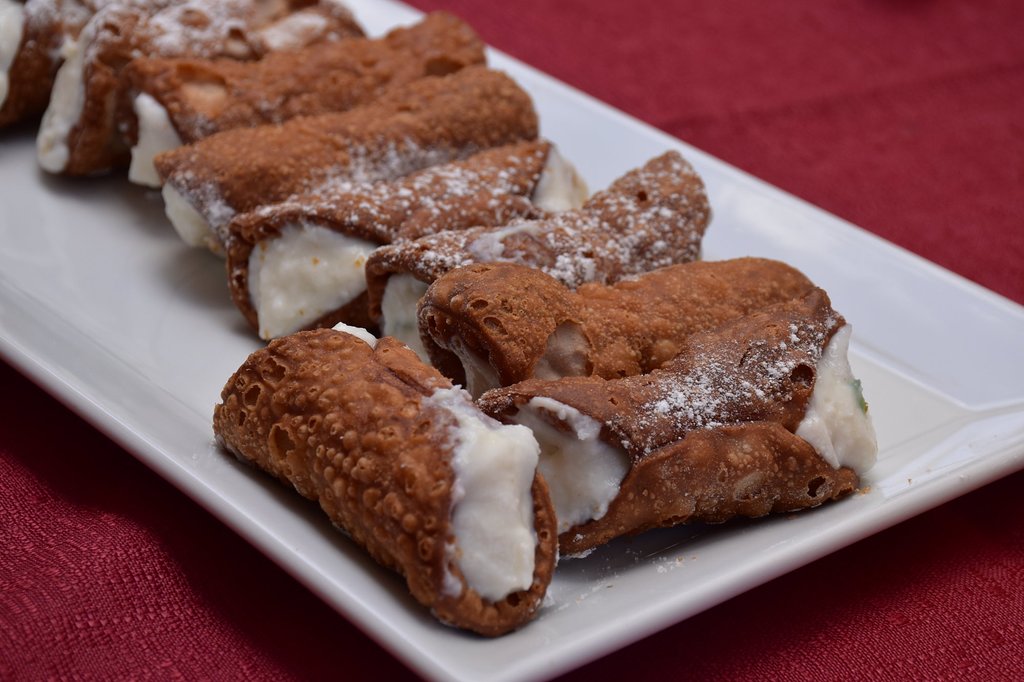
Street food in Palermo comes to life in markets such as Ballarò, Il Capo and La Vucciria, where stalls, fry shops, rotisseries and street vendors crowd together. Here you find panelle, crocchè, arancine, sfincione, stigghiola, stuffed breads and desserts such as cannoli and cassata. The best way to explore these areas is to alternate walking and short stops, paying attention to the rhythm of each neighbourhood, because the value lies not only in the food itself but also in the setting where it is sold.

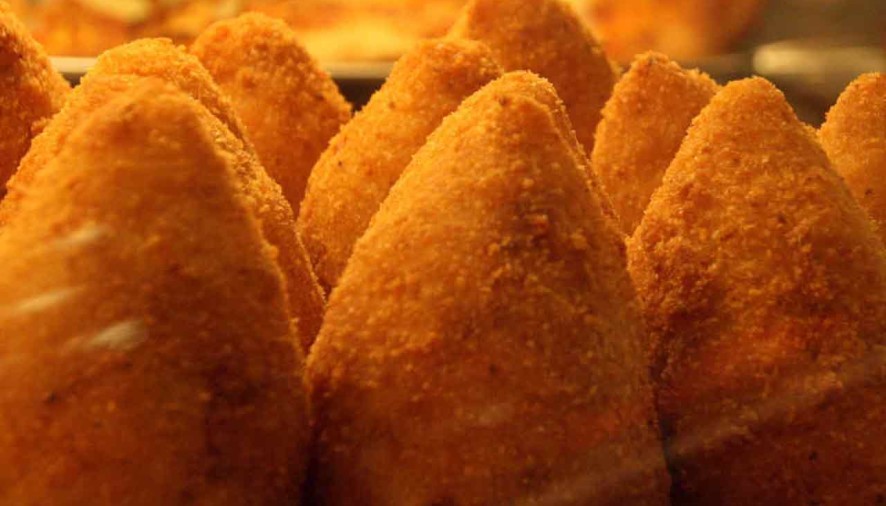
In Catania, the main point of reference is the fish market behind Piazza Duomo, together with fry shops, bakeries, drinks kiosks and pastry shops spread between the historic centre and the liveliest districts. Street food here includes arancini, cipolline, cones of fried snacks, tavola calda, granita and brioche, with a strong link between time of day and what people eat. Breakfast, mid-morning breaks, quick lunches and evening snacks all follow different rhythms and reveal precise urban habits.

A guided food tour, or even a route you build yourself through markets, kiosks, rotisseries and pastry shops, is one of the best ways to understand a city. In Sicily, street food is not simply a list of specialities to try. It is an experience shaped by neighbourhoods, relationships and shared memory.

Do you want to plan a trip to Sicily filled with authentic experiences? Discover our tailor-made tours and build a journey that helps you discover the true essence of Sicily.

isola bella taormina

Ciao Sono Iolanda, Nel 2010 ho deciso di ritornare nella mia magica isola, la Sicilia, affinchè l’esperienza acquisita negli anni precedenti prendesse forma lì dove ero nata.

Link Utili

Dove si trova
Come raggiungerla
Numeri utili
Mappa di Siracusa


Escursioni in sicilia

Escursioni

VIVI LE PIU’ BELLE ESPERIENZE IN SICILIA, ABBIAMO SELEZIONATO PER VOI LE PIU’ BELLE ESCURSIONI PRESENTI IN SICILIA. 

Alloggi in Sicilia

Alloggi

CERCHI UN HOTEL DI LUSSO, CASALI ESCLUSIVI,  VILLA CON PISCINA O B&B? SCEGLI L’ALLOGGIO PIU’ ADATTO A TE

noleggio auto sicilia

Noleggio auto

IL NOLEGGIO DI UN’AUTOMOBILE IN SICILIA È IL MODO MIGLIORE PER SCOPRIRE LE PRINCIPALI BELLEZZE DELLA REGIONE SENZA ALCUN VINCOLO

noleggio scooter sicilia

Noleggio scooter

NOLEGGIARE UNO SCOOTER IN SICILIA PERMETTE DI VIVERE UN’ESPERIENZA UNICA, UNA VACANZA RICCA DI RICORDI

valle dei templi
Nature Experiences near Noto: Botanical Printing Workshop and Distillery Visit with Tasting

Nature Experiences near Noto: Botanical Printing Workshop and Distillery Visit with Tasting

Nature Experiences near Noto: Botanical Printing Workshop and Distillery Visit with Tasting

Difficulty level
0 of 5

Min. age – 2 years old 

3 hours


Morning or Afternoon

Spoken language
ALL

Some experiences go beyond a simple activity and become a way of truly connecting with a place. A cooking class in the Vittoria countryside, in the heart of the Iblean hills, is one of them: a day shaped by natural rhythms, moving between the vegetable garden, the vineyards and the kitchen, ending with a shared lunch prepared with your own hands.

In this corner of south-eastern Sicily, the countryside has a distinct identity. The soil, characterised by red sand and limestone, produces intense and recognisable flavours, while the dry stone walls shape the landscape and speak of an agricultural tradition that is still very much alive. Here, biodiversity is something you observe and touch directly, both among the vines and in the garden.

A Special Cooking Class in Ragusa: Starting with the Garden and Harvesting the Ingredients

The day begins outdoors, in a space dedicated to growing aromatic herbs, seasonal vegetables and local varieties. The garden is tended following natural cycles, without forcing, and changes throughout the year, offering something different each time.

Before entering the kitchen, you harvest directly the ingredients that will be used during the cooking class. It is a simple but essential moment: choosing a courgette, picking a basil leaf, recognising the scents of freshly gathered herbs. This step creates an immediate connection with what you will cook later and makes the whole experience more meaningful.

From the Vineyard to the Cellar

After the garden, the journey continues through the vineyards and the production spaces. Native Sicilian grape varieties are grown here, a direct expression of the territory, with an approach focused on respecting the natural balance of the land.

The visit to the winery does not follow a rigid format but unfolds as a story. You move through the spaces where the wine is born and matures, observing the different stages of the production process up close. The barrel room, with its wooden casks, is one of the most evocative spaces: a quiet place where time becomes an integral part of the work.

What you discover is a way of understanding production: a balance between human intervention and respect for the raw material, where every choice has an impact on the final result.

The Cooking Class and Lunch with Local Products

The centrepiece of the day is the cooking class. The ingredients harvested in the morning are brought into the kitchen and become the basis for preparations rooted in the gastronomic tradition of southern Sicily.

You work together, following practical guidance and gestures handed down through generations, learning to bring out the best in simple ingredients using essential techniques. It is a shared experience, where dialogue and participation are an integral part of the process.

Once the preparations are complete, you sit down at the table and the dishes you have made become lunch, accompanied by wines produced on site, chosen to complement the flavours of the food. It is the moment when everything comes together: the garden, the vineyard and the kitchen finding their natural synthesis.

Experience Ragusa and Its Countryside in a Different Way: Between Garden and Kitchen

Taking part in a farm cooking class in Vittoria means dedicating time to a slow, authentic and hands-on experience. It is not just a gastronomic activity but a journey that helps you understand where food comes from and what relationship exists between land, seasonality and cooking.

It is an experience for those who love cooking, for those curious to discover the world of wine from a direct perspective, and for those simply looking for a different way to experience the Sicilian countryside, away from the more tourist-beaten paths and closer to the everyday life of those who call these places home.


Fill out the form and let yourself be won over by the flavours of the land and its nature: book your cooking class in Ragusa.

BOOK NOW

Le fotografie presenti all’interno di questa escursione/articolo, non sono state scattate durante una delle nostre escursioni, ma sono usate solo a scopo informativo

Sicily with kids: places to go and things to do on holiday

Sicily with kids: places to go and things to do on holiday

Sicily with kids: places to go and things to do on holiday

Family holidays in Sicily: beaches, seaside towns and historic cities!

Sicily is one of those destinations that somehow manages to keep everyone happy: the sea for those who want to relax, historic cities for culture lovers, and food for anyone who measures a trip in dishes tasted along the way. When you add children into the picture, though, the question changes. It’s no longer just “what is there to see?”, but “how do I make sure they have fun too without giving up everything that interests me?”.

The good news is that the island works very well for a family holiday, as long as you choose the right bases and alternate your days. A bit of sea, a few cities, and some “special” activities like a boat trip, a tuk-tuk tour or a short coastal mini cruise. You don’t need to schedule every minute, but having a few clear ideas in mind helps you avoid improvising everything once you’re there.

Where to go to the beach with kids

The sea is the thread running through most holidays in Sicily. On the western coast, for example, you’ll find some great options for families. In San Vito Lo Capo the beach is long and sandy, with shallow water that slopes down gently. Children can play close to the shore and you can keep an eye on them without constantly feeling on the verge of jumping in to rescue someone. The town itself is compact, full of short streets, restaurants, bakeries and ice cream shops. It’s the kind of place where you can walk around with a stroller, reach the beach on foot and get back to your room quickly when everyone is tired.

From here you can also plan something a little different from the “standard” beach day. A boat trip along the coast works well for both adults and children: the sea changes colour as you move, you stop for a swim where the water is calmer, and the whole experience lasts just long enough not to feel like an endless expedition. In some cases you can even book one-day mini cruises with lunch on board, which is handy when you don’t feel like organising sandwiches and cool bags.

On the eastern side of the island, the area between Giardini Naxos and Taormina is another classic. Taormina on its own, with its climbs and staircases, can be demanding if you’re carrying little ones in your arms. If you treat it as a day trip and use Giardini as your base, things get easier. Along the seafront the access to the beach is more straightforward, and there are plenty of lidos, bars and restaurants right by the water. During the day the plan can be very simple: beach, lunch, rest, and an evening walk along the promenade. One of the activities that often intrigues children here is a short boat tour to see the bays and Isola Bella from the sea. You go in and out of little coves, look at the fish through the clear water, and in a short time they’ve experienced something completely different from their usual day under the parasol.

Book your: Tour from Palermo to Etna and Taormina by Car or Van!

Further south along the same coast, the Val di Noto area offers family-friendly beaches and the chance to combine sea and town life. Around Noto, Marzamemi and San Lorenzo most beaches are sandy, with a mix of equipped lidos and quieter stretches of free beach. Marzamemi, with its small square and low houses, becomes the natural place to go in the evening: dinner outdoors, ice cream, children running between tables while adults finish their coffee. From this area you can also think about short boat trips skimming the coast around the Vendicari nature reserve or just venturing slightly offshore, long enough for them to feel they’ve been on a “real boat” without asking them to spend hours and hours on board.

Art cities that work with kids

Visiting Sicilian cities with children is absolutely possible, as long as you adjust your expectations. Palermo, for example, works well if you think of it in blocks rather than as “one big tour to do in a day”. In the morning you can wander through the centre, between markets, squares and a few landmarks that also catch their eye. A market like Ballarò or Il Capo is a very direct way to let them feel the atmosphere: colourful fruit, crowded stalls, the voices of the vendors. A visit to Teatro Massimo, if there are short guided tours on offer, can become the “special moment” of the day. Walking onto the stage, seeing backstage areas and listening to one or two stories is more engaging than a long explanation about dates and styles.

To move from one area to another, especially if you don’t feel like walking everywhere, you can look at tuk-tuk tours or little tourist trains. They’re not the most “local” experience in the world, but with kids they often become a reasonable compromise. For them, seeing the city from an unusual vehicle is fun; for you, it’s a quick way to understand how the neighbourhoods connect and decide where to go back on foot later with more calm. The rest of the day can be broken up with stops in parks or gardens, like the Giardino Inglese or the Botanical Garden, where they can run around a bit and you can switch off from “sightseeing mode” for a while.

Catania and Syracuse follow a similar logic. Catania makes an impression thanks to the dark lava stone, the contrast between black buildings and sky, and the energy of the streets. A simple walk from Piazza Duomo along Via Etnea and into the public gardens is enough to create a small urban “frame” even for the youngest. If your children are old enough, a short trip up Mount Etna – choosing easy paths with modest gradients – can be one of the experiences they remember most. The volcanic landscape, extinct craters and the feeling of walking on a very different kind of mountain have a big impact even without long explanations.

In Syracuse you can combine a more “educational” open-air visit with a slower-paced afternoon. The Archaeological Park of the Neapolis, with the Greek theatre, the stone quarries and green areas, gives you plenty of space. You don’t have to see everything: choosing two or three main spots and staying there long enough is often more effective than rushing through them all. Ortigia, the old town on the island, is perfect for late afternoon and evening. Piazza Duomo, the waterfront and narrow streets with limited traffic, plus an ice cream and a sunset over the sea, make the day feel complete without overloading anyone.

Activities to enjoy with children

Beyond the beach and the cities, what often makes the difference in a holiday with children are those activities that seem like minor details to adults but become the highlight of the trip for them. Boat trips are a good example. You don’t need to sign up for long crossings: in many places along the coast you can find short excursions that last a couple of hours, hugging the shoreline and stopping here and there for a swim. Seeing beaches from the water, approaching small caves and leaning over to look at the sea below (safely held, of course) is often more than enough to fill their heads with stories for the rest of the day.

If you prefer something more structured, in several locations you’ll find day-long mini cruises that combine sailing, lunch on board and swimming breaks. In that case it’s worth checking the length of the trip, the type of boat and the available facilities, to understand whether it makes sense for your children’s ages and their ability to stay put on board for that amount of time.

In many towns, tuk-tuk rides or tours in small open vehicles are also very popular. For children, climbing into a vehicle that isn’t quite a car and not really a classic bus has its own appeal. For you, it can be a way to avoid wearing them out on foot and to get a quick overview to expand on later. You might not remember every street name, but you will remember which areas felt nice enough to go back to for a second look.

Archaeological parks, if you take them at the right pace, can turn into giant open spaces to explore rather than school trips. The Valley of the Temples, Selinunte and Segesta don’t have to be marathons of reading every plaque. They can be stages for made-up stories, places to count steps, to look at cracks in the stone, to take silly photos together. Bringing a small notebook or some coloured pencils and asking them to draw a temple or a detail they liked is a simple way to slow down and let what they’ve seen settle in.

Nature adds a lot of possibilities with very little planning. Reserves like the Zingaro, Vendicari or the easier paths on Etna let you walk, look at plants and birds, and reach a beach or a viewpoint without filling the day with pre-packaged activities. Here it’s crucial to pick cooler times of day, carry enough water and sun protection, and adapt the walk to your children’s real stamina rather than to your ideal idea of a hike.

Explore Lo Zingaro Nature Reserve with our tours!

Then there’s the food, which in Sicily almost automatically becomes part of the holiday programme. Many traditional dishes are naturally kid-friendly: simple pasta with tomato sauce, pizza, arancine or arancini with straightforward fillings, panelle, potato croquettes. Granita and gelato quickly turn into the perfect reward at the end of the day or the incentive to tackle one last stretch on foot. For them, that almond granita in a bar by the sea often stays in their memory just as strongly as an entire landscape.

Want a personalized tour of Sicily with your kids? Discover our tailor-made trips

viaggio in sicilia con i bambini

Ciao Sono Iolanda, Nel 2010 ho deciso di ritornare nella mia magica isola, la Sicilia, affinchè l’esperienza acquisita negli anni precedenti prendesse forma lì dove ero nata.

Link Utili

Dove si trova
Come raggiungerla
Numeri utili
Mappa di Siracusa


Escursioni in sicilia

Escursioni

VIVI LE PIU’ BELLE ESPERIENZE IN SICILIA, ABBIAMO SELEZIONATO PER VOI LE PIU’ BELLE ESCURSIONI PRESENTI IN SICILIA. 

Alloggi in Sicilia

Alloggi

CERCHI UN HOTEL DI LUSSO, CASALI ESCLUSIVI,  VILLA CON PISCINA O B&B? SCEGLI L’ALLOGGIO PIU’ ADATTO A TE

noleggio auto sicilia

Noleggio auto

IL NOLEGGIO DI UN’AUTOMOBILE IN SICILIA È IL MODO MIGLIORE PER SCOPRIRE LE PRINCIPALI BELLEZZE DELLA REGIONE SENZA ALCUN VINCOLO

noleggio scooter sicilia

Noleggio scooter

NOLEGGIARE UNO SCOOTER IN SICILIA PERMETTE DI VIVERE UN’ESPERIENZA UNICA, UNA VACANZA RICCA DI RICORDI

valle dei templi
Teatro Massimo in Palermo: history, visits and curiosities about the city’s iconic opera house

Teatro Massimo in Palermo: history, visits and curiosities about the city’s iconic opera house

Teatro Massimo in Palermo: history, visits and curiosities about the city’s iconic opera house

Discover Teatro Massimo in Palermo: its history, guided tours, legendary acoustics and film locations!

Palermo built its largest theatre by demolishing three churches. A choice that seemed pragmatic at the time, and one that still fuels a few legends today. The Teatro Massimo Vittorio Emanuele opened in 1897, closed in 1974 for a restoration that lasted twenty-three years, then reopened in 1997 with Abbado and the Berliner Philharmoniker. In between, there’s a story of architects who died before seeing their work completed, noble families with their own subscription boxes, and Francis Ford Coppola, who in 1990 shot the final scene of The Godfather Part III on its staircase.

The history of Teatro Massimo Vittorio Emanuele

The competition for the project was announced in 1864 by Mayor Antonio Starabba. It was won by Giovan Battista Filippo Basile, with a neoclassical design in local calcarenite, the same stone with which Palermo built almost everything. The foundation stone was laid on 12 January 1875. Then work stopped, started again, and stalled once more. Basile senior died in 1891 without seeing it finished; his son Ernesto completed the project, trying not to betray the original concept, and succeeding well enough that it’s hard to tell where one ends and the other begins.

To make room for the theatre, the churches of Sant’Agata, San Giuliano and delle Stimmate, along with their adjoining convents, were demolished. An entire medieval block. On the evening of 16 May 1897, the theatre opened with Verdi’s Falstaff. Front-row boxes started at 80 lire; the gallery cost 3. The Florio and Whitaker families had their own permanent seats.

In 1974, after a performance of Nabucco, the curtain came down for what was supposed to be routine restoration work. It didn’t reopen until 1997. Twenty-three years: long enough to become a national case, a symbol, a recurring punchline whenever people talk about an Italy that can’t finish what it starts.

What to see inside the Teatro Massimo in Palermo

The stage is the largest in Italy: 50 metres deep, 38 metres wide and 70 metres high including the understage. From inside the auditorium you don’t really grasp these numbers; you have to stand on the stage to understand how much space there really is. The main hall has five tiers of boxes plus the gallery, around 1,350 seats, and a ceiling decorated with the symbolic “Wheel” painted on eleven canvases. In summer, the dome used to open upwards using a system of ropes to ventilate the hall; the mechanism still works.

The Pompeian Hall is circular, decorated with frescoes inspired by Pompeii, and designed around multiples of the number seven. At the centre you hear a sharp echo that disappears as you move towards the edges: an intentional effect, created by blocking off some of the original fourteen doors. According to tradition, it allowed for private conversations without being overheard by those standing further away. The Bellini Box still preserves autographed photographs of the members of the Circolo Bellini, one of the oldest aristocratic clubs in Europe: it’s one of the corners that has remained almost untouched.

Discover Palermo’s street food with us!

Curiosities

The most persistent legend has to do with the demolition of the church of Sant’Agata: once torn down to make room for the building site, it supposedly left its ghost wandering through the theatre’s corridors and boxes. Over the years, technicians, choristers and stagehands have all reported presences, noises and doors opening by themselves during the night hours. The theatre has never officially denied any of it.

In 1990, Francis Ford Coppola chose the external staircase to film the final scene of The Godfather Part III: Michael Corleone helplessly watching his daughter die while the crowd pours out after a performance. A sequence that has entered cinema’s collective imagination and made the Teatro Massimo known to millions of people who would never have looked up an opera house in a guidebook. Even today, many visitors climb those steps with that scene in mind, trying to find the exact angle.

Less well known is the acoustic story of the Pompeian Hall: circular, with fourteen original doors, some of which were walled up on purpose to create a controlled echo effect. Anyone standing in the centre of the room hears their own voice bounce back sharply; those near the walls barely notice it. According to tradition, this allowed members of the Circolo Bellini to exchange confidential information during the intervals without being overheard by others in the same room.

One last detail that gives a sense of the building’s scale: the dome of the Teatro Massimo is visible from many parts of the city, even from neighbourhoods quite far from the centre. Basile designed it with proportions that would dialogue with Palermo’s skyline without overwhelming it, an equilibrium that, even today, surrounded by post-war buildings, still holds surprisingly well.

The Teatro Massimo season

The Teatro Massimo works all year round. The opera season, which takes up the autumn and winter months, is when the most demanding productions are staged: original sets, international casts, titles that require weeks of rehearsals on Italy’s largest stage. Verdi and Puccini appear almost every year, but the programme doesn’t stop at the safest repertoire: there are cycles devoted to lesser-known composers, premieres and revivals of forgotten works that are rarely staged elsewhere.

Symphonic concerts run alongside the opera season with a parallel calendar that brings guest orchestras and conductors to the theatre. Ballet also has a regular place in the programme, with productions ranging from the classic Russian repertoire to contemporary choreography. For families, the theatre regularly organises shows and activities for children and school groups, with formats designed to make opera feel accessible rather than intimidating.

In summer, when the indoor season ends, the Teatro Massimo moves music outside: open-air concerts, events in Piazza Verdi, collaborations with Sicilian festivals and initiatives that transform the theatre’s spaces into something different from usual. For premières and the most anticipated productions, especially between November and February, tickets often sell out weeks in advance.

Set off from Palermo to discover Cefalù and Monreale!

Want a personalized tour of Sicily? Discover our tailor-made trips!


Teatro Massimo di Palermo

Ciao Sono Iolanda, Nel 2010 ho deciso di ritornare nella mia magica isola, la Sicilia, affinchè l’esperienza acquisita negli anni precedenti prendesse forma lì dove ero nata.

Link Utili

Dove si trova
Come raggiungerla
Numeri utili
Mappa di Siracusa


Escursioni in sicilia

Escursioni

VIVI LE PIU’ BELLE ESPERIENZE IN SICILIA, ABBIAMO SELEZIONATO PER VOI LE PIU’ BELLE ESCURSIONI PRESENTI IN SICILIA. 

Alloggi in Sicilia

Alloggi

CERCHI UN HOTEL DI LUSSO, CASALI ESCLUSIVI,  VILLA CON PISCINA O B&B? SCEGLI L’ALLOGGIO PIU’ ADATTO A TE

noleggio auto sicilia

Noleggio auto

IL NOLEGGIO DI UN’AUTOMOBILE IN SICILIA È IL MODO MIGLIORE PER SCOPRIRE LE PRINCIPALI BELLEZZE DELLA REGIONE SENZA ALCUN VINCOLO

noleggio scooter sicilia

Noleggio scooter

NOLEGGIARE UNO SCOOTER IN SICILIA PERMETTE DI VIVERE UN’ESPERIENZA UNICA, UNA VACANZA RICCA DI RICORDI

valle dei templi
Greek monuments in Sicily: temples, sites and theatres for a dive into history

Greek monuments in Sicily: temples, sites and theatres for a dive into history

Greek monuments in Sicily: temples, sites and theatres for a dive into history

A slow travel guide to Sicily’s Greek temples, archaeological parks and open-air theatres

In Sicily, history isn’t just something you read on museum panels – it’s all around you. It’s enough to walk up a hill, take a road towards the sea or step into an archaeological park to find yourself surrounded by columns, steps and the remains of cities that, if you think about it, still speak Greek even though you’re in Italy.

If you like places where sea, landscapes and archaeology mix together, the island’s Greek monuments are the perfect thread to follow. You can build your trip in stages, moving from solitary temples to theatres overlooking the countryside, letting curiosity guide you more than a rigid plan.

In this guide, I’ll take you through some “classic” stops and a few extra ideas, so you can start imagining your own itinerary: from the Valley of the Temples to the theatre of Taormina, passing through Selinunte, Segesta and Syracuse.

The Valley of the Temples in Agrigento: a classic that still works

When you think of Greek temples in Sicily, the Valley of the Temples is probably the first place that comes to mind. And it’s not just a cliché: here you’ll find some of the best preserved Doric temples, lined up on a hill facing the sea.

The main path is a long walk between stone, olive trees and views. The Temple of Concordia, with its almost intact colonnade, is usually the one that sticks in your memory. A little higher up you reach the Temple of Juno, which at sunset turns into one of those spots where you just want to stop and watch the light change.

You can visit the Valley of the Temples on your own, following the signs, or join a guided tour if you want a bit more context for what you’re seeing. Every block of stone, every crack, has a story behind it.

If you have time, it’s worth heading over to the Regional Archaeological Museum too: it lines up finds, statues and ceramics and helps you connect the idea of an “ancient city” with real objects.

Selinunte: ruins and sea in the same frame

Selinunte is one of those places where it’s hard to decide what to look at first: the temples, the sea in the distance or the hills around the site. It’s a huge, open archaeological park where the landscape has almost the same weight as the ruins.

Distances are quite large, so it’s good to arrive knowing the visit will take some time. You can move around on foot, stopping in front of each temple, or use the internal transport when available. Walking towards the Acropolis and then on to the more isolated areas, you start to feel how big the original city must have been.

Selinunte is perfect if you like to lose the clear idea of “inside the site / outside the site” and let the place work on you: you walk, look around, feel the wind from the coast and every now and then turn to see how much the line of the sea has shifted on the horizon.

In spring or early autumn, when the heat is a bit softer, the visit becomes even more enjoyable.

Segesta: a lone temple and a suspended theatre

In Segesta, you get the feeling you’re arriving somewhere placed there on purpose just to surprise you. The Doric temple, standing alone on the hill, appears suddenly along the road and even from a distance you can tell how special it is. It was never completed, but that “unfinished” quality is part of its charm. You get closer, walk around the columns, move a few metres and the perspective changes every time.

From the temple you can head up to the higher part of the site, where the theatre awaits. It sits on a ridge, overlooking a soft landscape of hills, scrubland and, on clear days, the sea far away. It’s the kind of place where you naturally sit down on a stone step and stay a few minutes longer.

Segesta fits nicely into a road trip: it doesn’t need a full day, but it leaves a strong feeling of having stepped into a place slightly out of time.

Taormina: the theatre with Etna in the background

The ancient theatre of Taormina is one of the most photographed spots in Sicily, and once you’re there it’s easy to understand why. The cavea opens towards the sea and, in the background, Mount Etna frames the whole scene. It really does look like a stage set.

The structure you see today is the result of several historical phases, but the Greek imprint is still clearly recognisable. It’s worth visiting with a bit of time on your hands, ideally away from peak hours, especially in high season. The best way to experience the theatre is to move around: go up, go down, change point of view. From each level, the relationship between sea, stage and mountain shifts slightly. Don’t stop at the “classic” selfie from the main viewpoint: try to look for angles that are a bit different.

If you’re in Taormina during a festival or event, seeing a performance here in the evening lets you feel what the theatre really is: not just a monument, but a place that’s still alive.

Syracuse and the Neapolis: theatre, quarries and stone

Syracuse is a city that would deserve a whole trip on its own, but if your focus is Greek monuments, the Archaeological Area of the Neapolis is the place to start. The large Greek theatre, carved into the rock, is still used today for classical plays. Even empty, without the stage set up, it gives you a sense of its scale and of the engineering behind it.

In the same area you’ll also find the Roman amphitheatre and the Latomie, the ancient stone quarries, which have a very particular atmosphere. It’s a part of the city where history is layered, but the “Greek line” is still very clear. The nice thing about Syracuse is that after the visit you can completely change scenario: head over to Ortigia, wander through alleys and squares, walk by the sea and let the day slow down.

templi greci in sicilia

Ciao Sono Iolanda, Nel 2010 ho deciso di ritornare nella mia magica isola, la Sicilia, affinchè l’esperienza acquisita negli anni precedenti prendesse forma lì dove ero nata.

Link Utili

Dove si trova
Come raggiungerla
Numeri utili
Mappa di Siracusa


Escursioni in sicilia

Escursioni

VIVI LE PIU’ BELLE ESPERIENZE IN SICILIA, ABBIAMO SELEZIONATO PER VOI LE PIU’ BELLE ESCURSIONI PRESENTI IN SICILIA. 

Alloggi in Sicilia

Alloggi

CERCHI UN HOTEL DI LUSSO, CASALI ESCLUSIVI,  VILLA CON PISCINA O B&B? SCEGLI L’ALLOGGIO PIU’ ADATTO A TE

noleggio auto sicilia

Noleggio auto

IL NOLEGGIO DI UN’AUTOMOBILE IN SICILIA È IL MODO MIGLIORE PER SCOPRIRE LE PRINCIPALI BELLEZZE DELLA REGIONE SENZA ALCUN VINCOLO

noleggio scooter sicilia

Noleggio scooter

NOLEGGIARE UNO SCOOTER IN SICILIA PERMETTE DI VIVERE UN’ESPERIENZA UNICA, UNA VACANZA RICCA DI RICORDI

valle dei templi