
Christmas in Sicily: Living Nativity Scenes, Markets and Traditions to Experience
Christmas in Sicily: Living Nativity Scenes, Markets and Traditions to Experience
Would you like to spend the holidays on the island and discover Sicily in winter? Then this is the guide for lovers of the festive season who want to enjoy a Christmas in Sicily made of traditions, markets and living nativity scenes, all accompanied by a mild climate that lets you stroll among the wooden stalls of the historic centres and take your time visiting the nativity scenes set up in caves and old neighbourhoods, even in the evening.
The festive season begins in early December, with the Immaculate Conception and the feast of Santa Lucia on the 13th, and ends on 6 January with the Epiphany, so you have several days to plan an itinerary through the villages around Trapani and the Baroque towns of the south-east, alternating Christmas markets with living nativity scenes and stopping at the table to taste the traditional sweets.
Christmas in Sicily: The Most Beautiful Christmas Markets to Visit
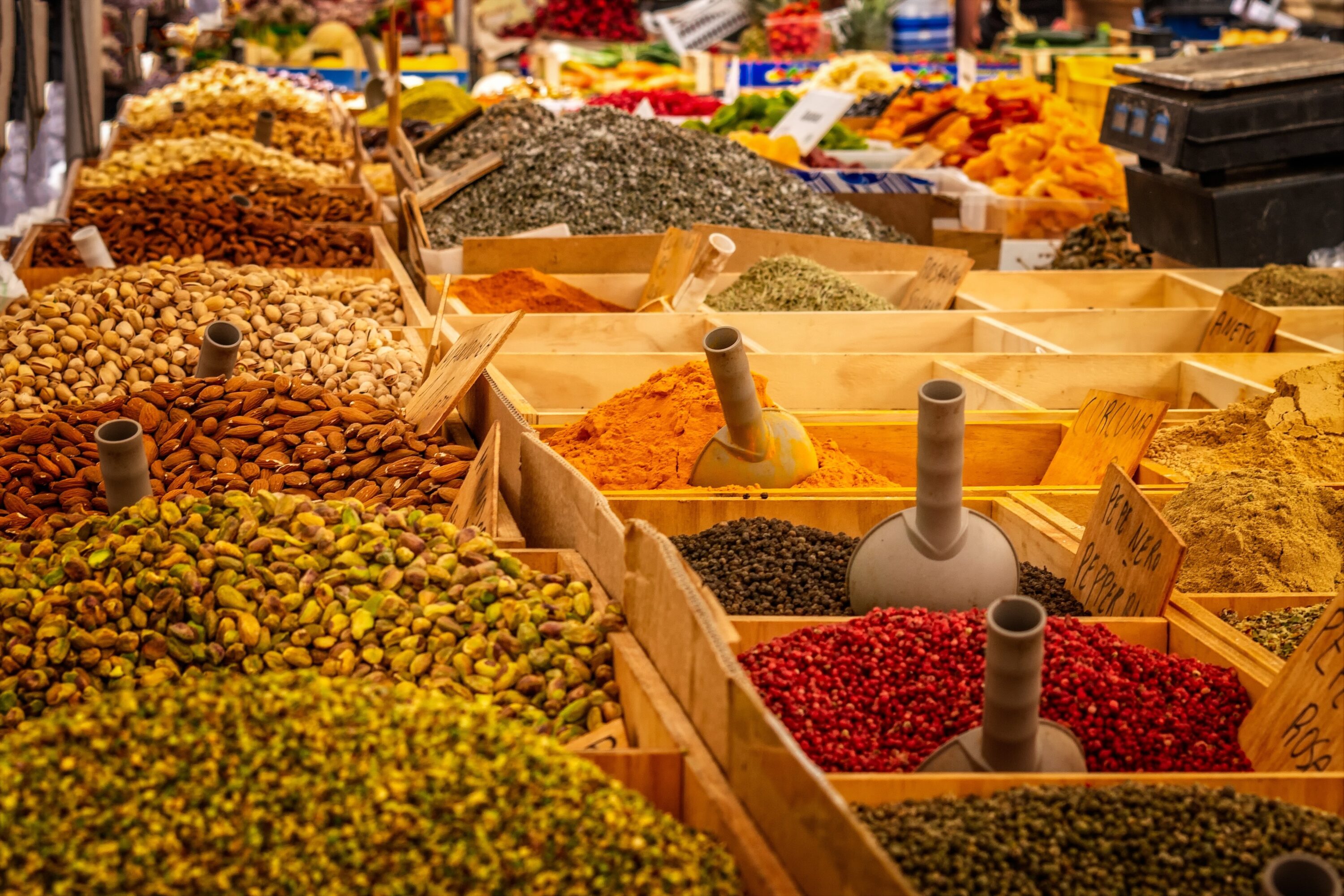
The Christmas markets in Sicily are usually held from early December until the Epiphany in the squares of the historic centres or along the main streets, and compared with those in the Alps they focus heavily on local craftsmanship and on the island’s food products, from hand-painted ceramics to almond sweets, from honey to citrus liqueurs.
Erice
Among the cobbled lanes of the medieval village, EricèNatale takes place every year, also known as “the village of nativity scenes”, with wooden stalls set up between Piazza della Loggia and Piazza San Giuliano and several nativity exhibitions displayed in the churches. The visit pairs well with a stop at one of the historic pastry shops to taste the almond biscuits of Erice, but keep in mind that the village sits at around 750 metres above sea level and that temperatures drop considerably in the evening, so you will need proper winter clothing if you visit in December.
Discover our Guided tour of Erice with almond biscuit tasting!
Caltagirone
In the city of ceramics, the market stalls are usually placed on the churchyard of the Cathedral of San Giuliano and in Piazza Umberto, while churches and museums host exhibitions of artistic nativity scenes in terracotta and ceramic made by local masters. If you are looking for a gift to take home, Caltagirone is the right place to buy a piece of handmade Sicilian ceramics directly from the workshops.
Enjoy a unique experience with the Caltagirone walking tour and ceramics workshop!
Catania and Acireale
In Catania, Via Etnea fills with Christmas lights and stalls selling gift ideas, festive sweets and handcrafted nativity scenes, while the historic centre hosts concerts and entertainment throughout December. A few kilometres away, the Baroque centre of Acireale holds a market with stands run by local artisans and Sicilian food producers, so if you are staying in Catania you can easily plan an evening in both towns.
Cefalù
During the holidays the seaside town on the Tyrrhenian coast organises Magico Natale, with decorations, lights and craft stalls along the streets of the historic centre leading to the Norman Cathedral. Coming to Cefalù in winter allows you to visit the cathedral and climb the Rocca without the summer crowds, and on clear days a walk along the seafront is still pleasant in December.
Novara di Sicilia
If you are travelling with children, this village in the province of Messina, listed among the Most Beautiful Villages in Italy, sets up Santa’s Mill inside an old water mill, with elves, lights, market stalls and a living nativity scene. The village lies in the Peloritani mountains, so you can reach it by car, and our advice is to plan your visit during the day so you can also enjoy the stone-built historic centre.
Living Nativity Scenes in Sicily: Which Ones Are Worth a Visit at Christmas
The living nativity scenes in Sicily rarely try to recreate the atmosphere of first-century Bethlehem and far more often bring to life the rural Sicily of the nineteenth century, with costumed performers working in the shops of old trades, bread actually baked on site and tastings of ricotta or soups cooked over the fire, so that in many cases the visit becomes a walk of a couple of hours through Sicilian history and traditions.
Custonaci, Grotta Mangiapane
The living nativity scene of Custonaci, in the province of Trapani, takes place in the Grotta Mangiapane in the hamlet of Scurati, a small village built inside a natural cave where more than one hundred performers bring workshops, homes and craft rooms to life with folk songs and traditional storytellers. Performances are usually concentrated in the days after Christmas and the first days of January, and its proximity to Erice and Trapani means you can combine both visits in a single day.
Ispica, Cava d’Ispica
In the province of Ragusa, the living nativity scene of Ispica winds for about two kilometres through the caves carved into the rock of the ancient settlement of Spaccaforno and the Parco Forza, at the entrance to the Cava d’Ispica canyon, with the caves turned into artisan workshops. It is one of the most visited nativity scenes on the island, so at weekends it is best to arrive at opening time, and it fits easily into an itinerary that also includes Modica and Noto.
Sutera, Rabato Quarter
In this small town in the province of Caltanissetta, the living nativity scene fills the Arab quarter of Rabato, perched below Monte San Paolino, and unfolds like a maze of alleys and courtyards where dialogues, signs and stories are often in the Sicilian language. It usually takes place on very few dates, so it needs to be planned in advance, but it remains one of the most authentic performances in inland Sicily.
Modica, Dente Quarter
In Modica the living nativity scene takes place in the streets of the Dente quarter, also called the Eastern quarter, where corners and alleys are transformed into homes and workshops that stage the daily activities of the past. The visit is easily completed with a walk through the Baroque centre and a stop at one of the chocolate shops producing cold-worked Modica chocolate.
Agira
In Agira, in the province of Enna, the Nativity is staged at the foot of the castle and in the town’s historic quarters on the evening of 24 December, among stone arches and old workshops, with deeply felt participation from the local community. Since it lasts only one evening, it suits those spending Christmas Eve in central Sicily who want a more intimate nativity scene than the large events around Trapani and Ragusa.
Christmas Traditions Not to Miss in Sicilian Cities
Beyond the organised events, the festive season on the island is marked by religious rites, music and dishes that change from one province to another, and taking part in some of these occasions lets you discover Sicilian Christmas traditions as local families still live them today.
Santa Lucia in Syracuse and Palermo
On 13 December Syracuse celebrates its patron saint with a procession that carries the silver statue of the saint from the Cathedral of Ortigia to the Basilica of Santa Lucia al Sepolcro, where it remains for eight days before returning. In Palermo the same day is linked to a food tradition: to commemorate the end of a famine brought about by the arrival of a ship loaded with grain, people avoid bread and pasta and eat cuccia, made with boiled wheat and ricotta, together with arancine.
The Novena and the Ciaramiddari
During the nine days before Christmas, from 16 to 24 December, many towns and neighbourhoods celebrate the Novena, with the ciaramiddari, players of the bagpipe and the shawm, walking past votive shrines and homes playing traditional melodies. You are most likely to come across it in inland towns and in the working-class districts of the cities, often in the evening.
Christmas Eve Dinner and Christmas Sweets
The Christmas Eve table changes from city to city: in Palermo sfincione is a must, around Ragusa people prepare stuffed scacce, while in Catania they fry crispelle made with rice or anchovies. Among the sweets, Palermo’s buccellato and the cucciddati found all over the island, filled with dried figs, almonds and candied fruit, are sold in pastry shops throughout December and make a good gift to take home.
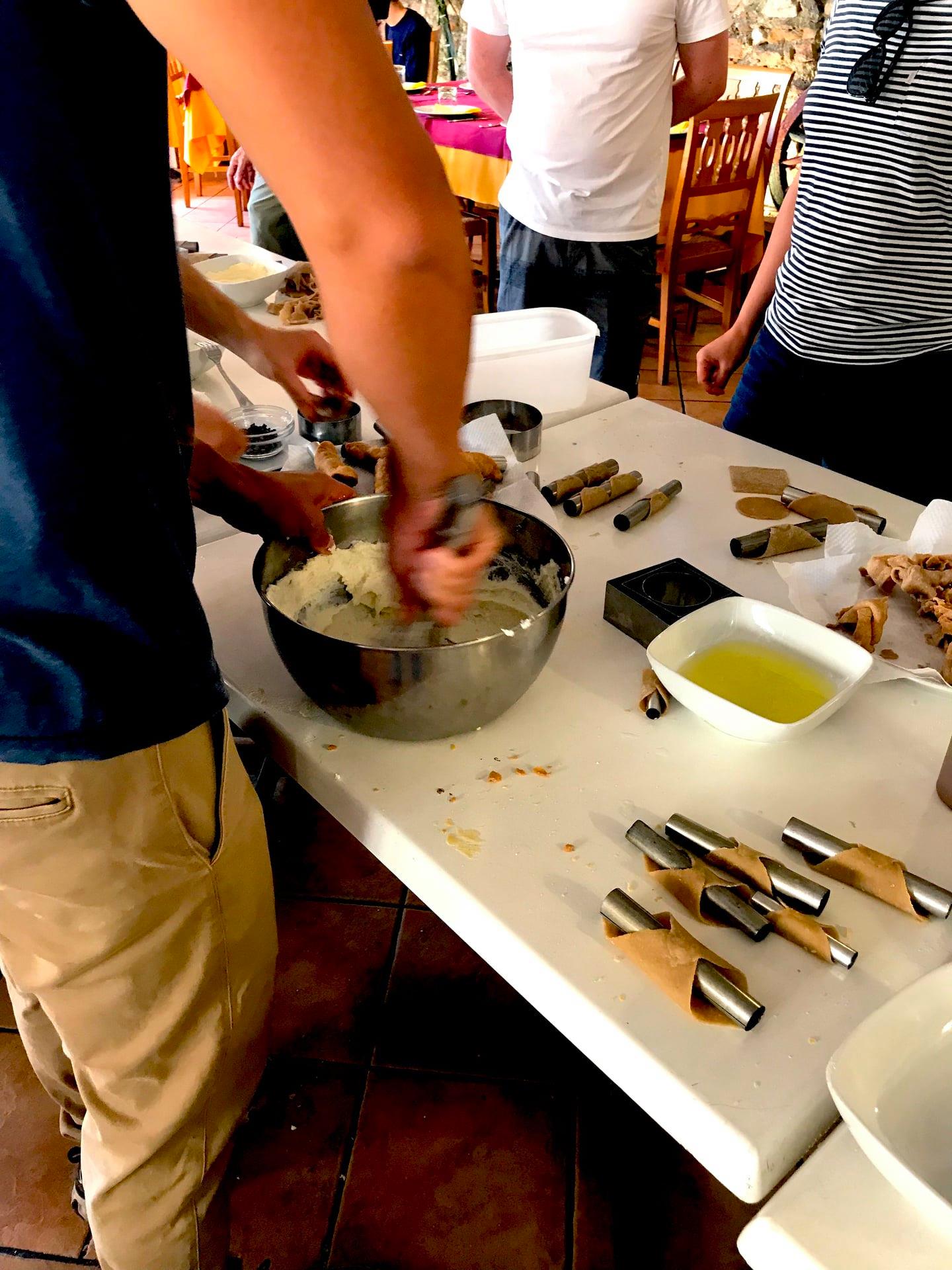
Discover authentic Sicilian cuisine with a Cooking class in Syracuse!
Epiphany in Piana degli Albanesi
In Piana degli Albanesi, half an hour from Palermo, the Arbëreshë community celebrates the Theophany on 6 January according to the Byzantine rite, with a liturgy in Greek and Albanian, the blessing of the waters and the participation of many women wearing precious traditional costumes embroidered in gold. For those staying in Palermo over the holidays, it is a rare opportunity to attend a celebration that preserves customs brought to the island by Albanian communities from the fifteenth century onwards.
Would you like to plan your Christmas trip to Sicily? Discover the unique beauty of this region with one of our tailor-made tours designed just for you!

Ciao Sono Iolanda, Nel 2010 ho deciso di ritornare nella mia magica isola, la Sicilia, affinchè l’esperienza acquisita negli anni precedenti prendesse forma lì dove ero nata.
Link Utili
Dove si trova
Come raggiungerla
Numeri utili
Mappa di Siracusa
Esperenze culinarie Sicilia

Cosa fare a Cefalù

Escursioni Etna
Cosa Vedere a Catania
canoli-ricotta-cheese
esperienze a taormina

Escursioni
VIVI LE PIU’ BELLE ESPERIENZE IN SICILIA, ABBIAMO SELEZIONATO PER VOI LE PIU’ BELLE ESCURSIONI PRESENTI IN SICILIA.

Alloggi
CERCHI UN HOTEL DI LUSSO, CASALI ESCLUSIVI, VILLA CON PISCINA O B&B? SCEGLI L’ALLOGGIO PIU’ ADATTO A TE

Noleggio auto
IL NOLEGGIO DI UN’AUTOMOBILE IN SICILIA È IL MODO MIGLIORE PER SCOPRIRE LE PRINCIPALI BELLEZZE DELLA REGIONE SENZA ALCUN VINCOLO

Noleggio scooter
NOLEGGIARE UNO SCOOTER IN SICILIA PERMETTE DI VIVERE UN’ESPERIENZA UNICA, UNA VACANZA RICCA DI RICORDI