Valley of the Temples Agrigento: history and visiting tips

Valley of the Temples Agrigento: history and visiting tips

Valley of the Temples Agrigento: history, main temples and practical visiting tips

Tra le isole più belle della Sicilia, vieni a scoprire con noi le Isole Eolie!

Anyone arriving at the Valley of the Temples immediately understands that this landscape doesn’t rely on dramatic effects to make an impression. The ruins stand along the eastern ridge of Agrigento with a quiet authority, as if those columns were still intent on preserving their role through time. The light, especially during the brighter hours of the day, brings out details that often escape a quick glance: worn surfaces, irregular cuts, traces of ancient restorations.  Even visitors with little familiarity with the classical world sense that these remains aren’t just “monuments,” but fragments of a complex story that needs time and attention to be fully grasped.

The city’s origins and a territory shaped with intention

Akragas was founded in the 6th century BC, during a period in which the Greeks moved along the Sicilian coasts to establish new cities and develop commercial routes into the island’s interior. The choice of this site was anything but accidental: the promontory guaranteed natural control over the sea, the hills behind the settlement made defence easier, and the fertile plain could support a growing community.

 The relationship between the ancient city and its territory remains one of the most evident features of the Valley. The temples were not built solely for religious purposes but also to assert the Greek presence to anyone arriving by sea, using architecture as both a landmark and a declaration of prosperity. This intention is still visible today in the almost geometric alignment of the buildings along the ridge, a layout that seems designed to guide the gaze across the landscape and towards the ancient city.

The Temple of Concordia and its quiet equilibrium

The Temple of Concordia is the emblem of the Valley. Its importance goes far beyond its excellent state of preservation. Standing before it, one notices a balance in its proportions that feels effortless, creating a sense of order that is difficult to capture without experiencing it directly. As you approach, it becomes clear how the structure interacts with the Sicilian light: sharp contrasts in the morning and softer tones in the afternoon, a continuous transformation that makes the temple feel different at every hour.

From its terrace, the landscape opens up: countryside stretching southward, a glimpse of the sea beyond the vegetation, and the modern city in the distance, appearing almost reluctant to intrude on the ancient harmony.

The Temple of Hera and the path that leads to it

Further along the main route stands the Temple of Hera, more fragmented but set in a location that restores its elegance. At sunset, the stone takes on warm tones, and the atmosphere changes completely. Many visitors linger here longer than expected, drawn by the interplay of colours and the sense of quiet that settles over the hill.

The path leading to the temple passes through olive trees and Mediterranean plants, a landscape that connects the visitor to the daily life of ancient Akragas and its religious dimension, which was never separate from the rhythms of the city.

The Temple of Heracles, between fragility and endurance

The Temple of Heracles, the oldest in the Valley, looks different from the others because only eight columns remain standing. Its incompleteness, however, gives it a distinct personality. It is a place that has lost much yet has not lost its meaning. The columns, re-erected in the 1930s, preserve what remains of a broader structure, and still manage to convey a sense of continuity.

Visiting early in the morning, when the area is quieter, allows you to imagine more clearly the original shape of the temple, following the traces visible on the ground.

The unfinished ambition of the Temple of Zeus

The Temple of Olympian Zeus is now a field of scattered blocks and fragments, but its original scale remains impressive even in ruins. It was meant to be one of the largest sacred buildings of the Greek world, supported by enormous telamons—human-shaped figures nearly eight metres tall. The project was never completed, yet it remains a testament to the ambitions of a city that, at a specific moment in its history, imagined for itself a leading role in the Mediterranean. The reconstructed telamon in the Archaeological Museum offers a clearer sense of the building’s intended grandeur.

Planning your visit without rushing

The Valley demands time, both because of the distances and the intensity of each site. Exploring without haste allows visitors to notice details that would otherwise disappear in a hurried tour. Three hours is a reasonable minimum, though many visitors stay much longer. The time of day heavily influences the experience. Mornings offer sharp, clear light, while sunset brings warmth and softer tones. Evening visits, available in specific periods, provide yet another perspective thanks to subtle lighting that respects the ancient structures.

Comfortable shoes are essential, as the paths can be uneven. Water is equally important, especially during warmer months. With two main entrances—Porta V and Porta Aurea—it can be practical to enter at one and exit at the other to avoid retracing your steps.

The museum and the Kolymbethra Garden

To deepen understanding of the ancient city, the Archaeological Museum presents a collection of statues, inscriptions and everyday objects that help frame what can be seen in the Valley. Within the park, the Kolymbethra Garden remains a refreshing break. Once an ancient irrigation basin, it is now home to citrus trees and Mediterranean vegetation. Walking through it offers a pleasant contrast to the arid hilltop, reconnecting visitors to the agricultural rhythms that shaped ancient Akragas.


Hello, I’m Iolanda, In 2010, I decided to return to my magical island, Sicily, so that the experience I had gained over the previous years could take shape in the place where I was born.
Escursioni in sicilia

Escursioni

VIVI LE PIU’ BELLE ESPERIENZE IN SICILIA, ABBIAMO SELEZIONATO PER VOI LE PIU’ BELLE ESCURSIONI PRESENTI IN SICILIA. 

Alloggi in Sicilia

Alloggi

CERCHI UN HOTEL DI LUSSO, CASALI ESCLUSIVI,  VILLA CON PISCINA O B&B? SCEGLI L’ALLOGGIO PIU’ ADATTO A TE

noleggio auto sicilia

Noleggio auto

IL NOLEGGIO DI UN’AUTOMOBILE IN SICILIA È IL MODO MIGLIORE PER SCOPRIRE LE PRINCIPALI BELLEZZE DELLA REGIONE SENZA ALCUN VINCOLO

noleggio scooter sicilia

Noleggio scooter

NOLEGGIARE UNO SCOOTER IN SICILIA PERMETTE DI VIVERE UN’ESPERIENZA UNICA, UNA VACANZA RICCA DI RICORDI

valle dei templi
Visiting Noto: 5 Must-See Places in Sicily’s Baroque Capital

Visiting Noto: 5 Must-See Places in Sicily’s Baroque Capital

Visiting Noto: 5 Must-See Places in Sicily’s Baroque Capital

There is a precise spot along Sicily’s eastern coast where the stone takes on colour at sunset, façades seem carved from honey, and the harmony of the architecture challenges perception. Visiting Noto, known as the Capital of Baroque, is an experience that belongs on every Sicilian itinerary.

Noto, razed to the ground by the devastating earthquake of 1693, rose again from its own rubble, becoming one of the finest examples of European Baroque urban design.

Exploring Noto means immersing yourself in a narrative made of dramatic perspectives, majestic squares, and architectural details that enchant at every turn. Among the many wonders the city holds, five places more than any other reveal its true soul.

1. Porta Reale – The Monumental Gateway

Anyone arriving in Noto should enter through Porta Reale. More than just an access point, it’s a triumphal arch that introduces the historic centre like a stage curtain rising before a grand performance. Built in the 19th century to honour the visit of Ferdinand II of Bourbon, the arch marks the beginning of Corso Vittorio Emanuele, the city’s main thoroughfare, where some of Noto’s most iconic buildings reveal themselves. From this point, both the route and the first striking view of the city unfold, immediately setting the tone for what awaits.

2. The Church of Santa Chiara and the Benedictine Convent

A short stroll from Porta Reale along the Corso brings you to the Church of Santa Chiara, a refined example of Sicilian Baroque designed by Rosario Gagliardi, one of the undisputed masters of the era.
The interior, richly decorated, reflects a perfect balance of elegance and restraint. Stucco work, cherubs, and local stone details create an intimate and luminous atmosphere.
Climb to the panoramic terrace and the view opens over the city and the surrounding countryside. At sunset, the play of light turns this spot into one of Noto’s most magical corners. The adjacent former Benedictine convent can be visited for a small donation — a gesture rewarded by glimpses of hidden beauty.

3. The Cathedral of San Nicolò

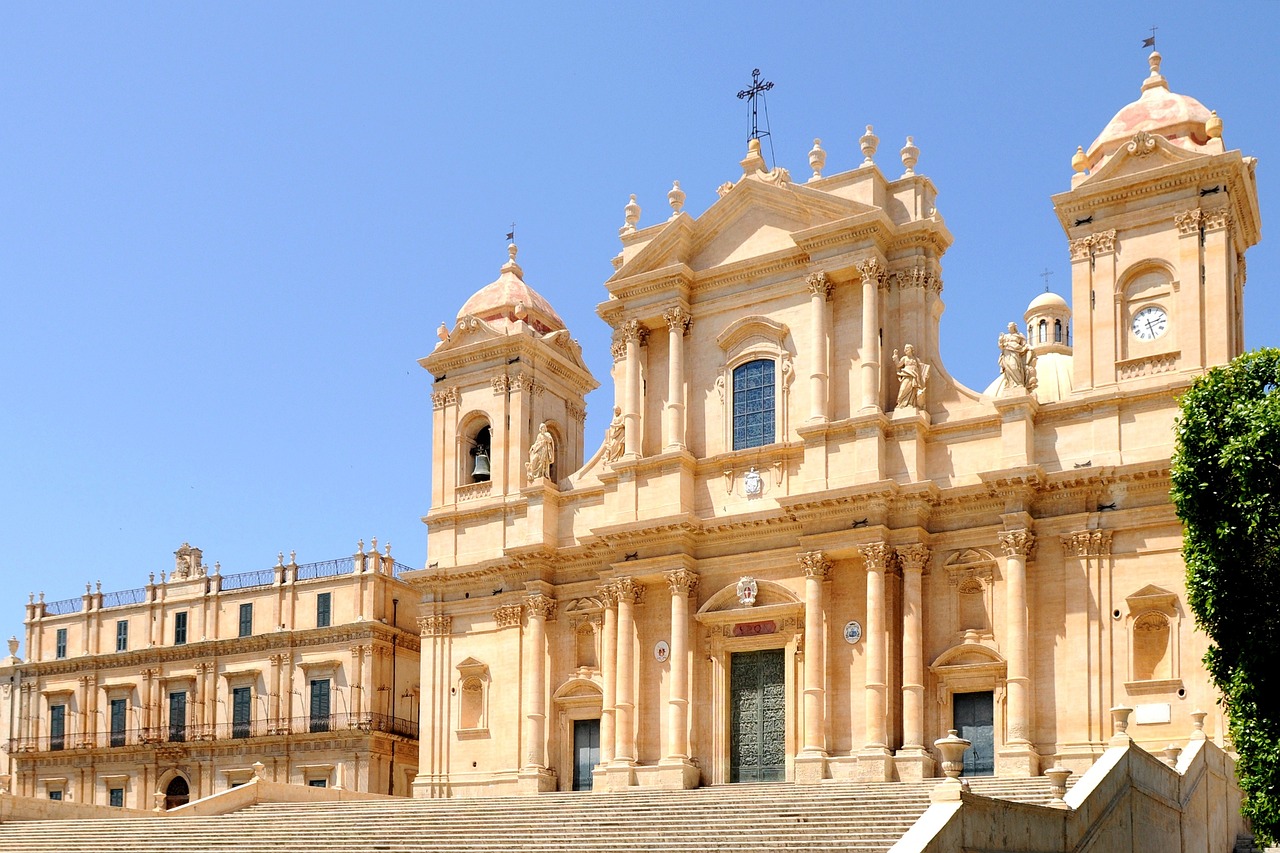
It’s impossible not to be struck by the façade of Noto Cathedral, dedicated to San Nicolò. The church dominates the city’s skyline with its grandeur.
Rebuilt after the collapse of the dome in 1996, the cathedral stands today as a symbol of Noto’s resilience and rebirth.
The golden stone of the structure shifts in hue throughout the day — from milky white to the warm pink of early evening. Its imposing exterior contrasts with the understated interior, which welcomes worshippers and visitors into a solemn, measured space.

4. Palazzo Nicolaci – Where Baroque Meets Imagination

In one corner of Noto, Baroque architecture becomes playful, ironic, surprising. That’s the façade of Palazzo Nicolaci, the historic aristocratic residence of one of the city’s most influential families.
The broad balconies supported by intricately carved corbels, grotesque figures peering from the base, and eccentric decorations tell the story of a Baroque that goes beyond geometric perfection — it dares, it amuses, it seduces.
Beyond the façade, the restored interiors reveal the opulence and refinement of Noto’s aristocratic life. Walking along Via Nicolaci is an experience that sparks curiosity and captivates the eye.

5. Getting Lost in the Alleys, Aimlessly

Perhaps the most authentic way to discover Noto is to abandon the maps, forget the set itineraries, and wander down the side streets. Behind every corner, you might stumble upon a hidden church, a quiet courtyard, or an architectural detail overlooked by conventional routes.
In the evening, as soft lighting traces delicate outlines across the Baroque facades, the city takes on an even more cinematic charm. Noto is not just a sequence of monuments — it’s an urban tapestry best explored slowly, letting yourself be guided by unexpected beauty.

Hello, I’m Iolanda, In 2010, I decided to return to my magical island, Sicily, so that the experience I had gained over the previous years could take shape in the place where I was born.

Escursioni in sicilia

Escursioni

VIVI LE PIU’ BELLE ESPERIENZE IN SICILIA, ABBIAMO SELEZIONATO PER VOI LE PIU’ BELLE ESCURSIONI PRESENTI IN SICILIA. 

Alloggi in Sicilia

Alloggi

CERCHI UN HOTEL DI LUSSO, CASALI ESCLUSIVI,  VILLA CON PISCINA O B&B? SCEGLI L’ALLOGGIO PIU’ ADATTO A TE

noleggio auto sicilia

Noleggio auto

IL NOLEGGIO DI UN’AUTOMOBILE IN SICILIA È IL MODO MIGLIORE PER SCOPRIRE LE PRINCIPALI BELLEZZE DELLA REGIONE SENZA ALCUN VINCOLO

noleggio scooter sicilia

Noleggio scooter

NOLEGGIARE UNO SCOOTER IN SICILIA PERMETTE DI VIVERE UN’ESPERIENZA UNICA, UNA VACANZA RICCA DI RICORDI

Snorkelling in Sicily: The Best Spots to Discover the Island’s Underwater Beauty

Snorkelling in Sicily: The Best Spots to Discover the Island’s Underwater Beauty

Snorkelling in Sicily: The Best Spots to Discover the Island’s Underwater Beauty

Vieni alla scoperta di Noto, la capitale del Barocco siciliano!

Anyone who loves the sea knows that feeling when you dip your head underwater and everything transforms: sounds soften, colours intensify, and your perspective shifts.

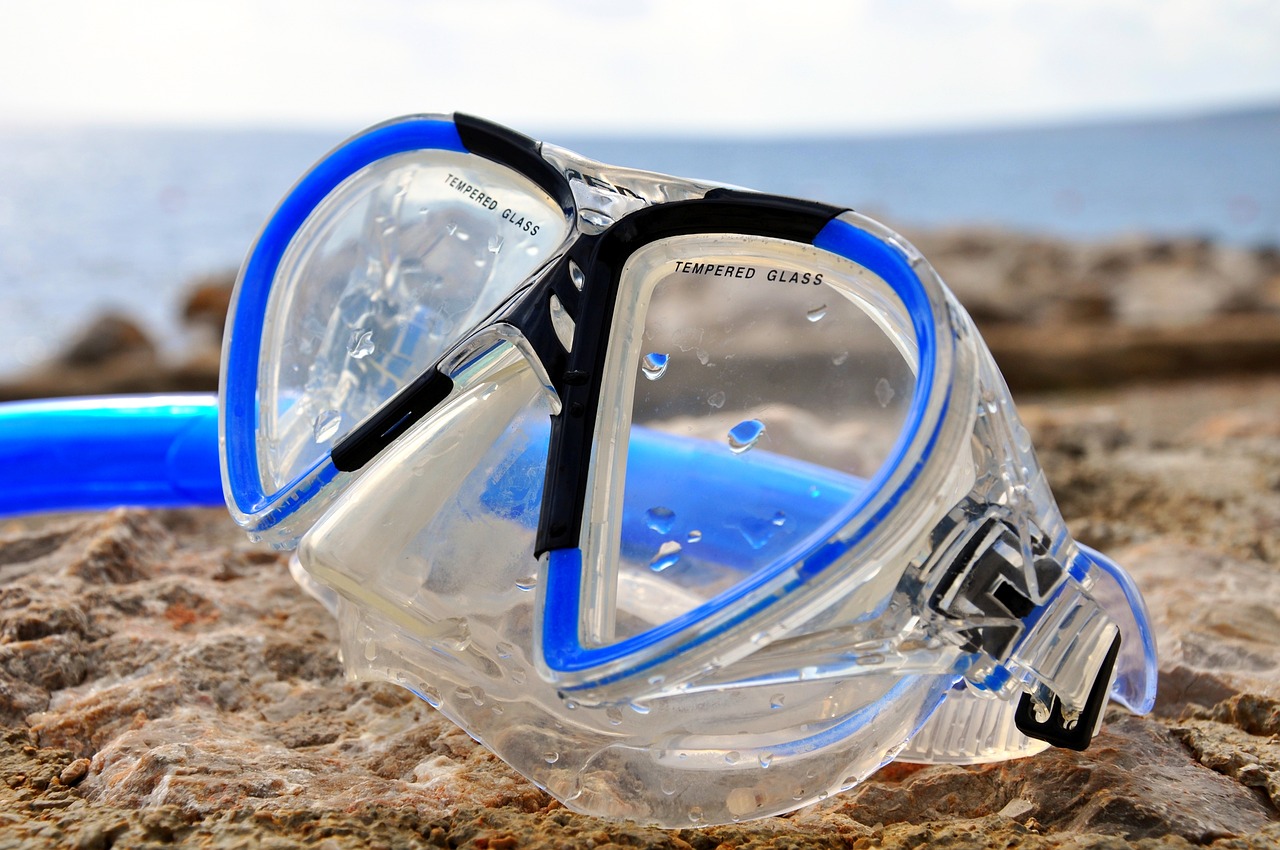
Sicily, with over a thousand kilometres of coastline, offers one of the Mediterranean’s most fascinating settings for snorkelling. No oxygen tanks or diving licences are needed—just a mask, a snorkel, and a touch of curiosity to discover underwater landscapes that look like they’ve been painted by hand.

Suspended between Africa and Europe, the island holds crystal-clear seabeds, submerged cliffs, hidden caves, and an abundance of marine life visible just a few metres from shore. If you’re planning a trip to Sicily and snorkelling is on your wish list, here are some spots you shouldn’t miss.

The Zingaro Nature Reserve

The stretch of coastline between San Vito Lo Capo and Scopello is a sequence of hidden coves, sheer cliffs, and trails winding through Mediterranean scrubland. The Zingaro Reserve is a protected paradise, accessible only on foot, home to some of the island’s clearest waters.

Every small beach along the path offers privileged access to the underwater world: rocky seabeds, lush seagrass meadows, schools of colourful fish, and beams of light filtering through the waves. The effort of hiking is more than rewarded—once you dive in, it’s hard to return to shore.

Ustica, the Black Island

About an hour by boat from Palermo, Ustica is a must for those seeking pristine seabeds. The island’s name reveals its volcanic origins, and its unique geology makes the marine environment particularly rich and diverse.

Since the establishment of the marine reserve in 1986, the habitat has been carefully protected, now hosting an incredible variety of fish, corals, and submerged rock formations. Snorkellers often find themselves swimming among schools of amberjacks, sea bream, and groupers. For the more experienced, deep dives reveal underwater caves and vertical walls, but even near the surface, the beauty of this place is unmistakable.

Favignana and the Egadi Islands

Favignana is the largest of the Egadi Islands, a stretch of land that alternates between rugged cliffs and sandy beaches. Cala Rossa, with its crystal-clear waters and cliffs sculpted by man and time, is perhaps the most iconic snorkelling spot.

The shallow, transparent seabeds make it easy to observe fish, anemones, and small crustaceans. For those who want to alternate between snorkelling and relaxation, Favignana offers quiet beaches and secluded coves.

The Egadi Islands as a whole are an example of balance between environmental protection and sustainable tourism—the marine reserve surrounding the archipelago is one of the largest in Europe.

The Plemmirio Marine Protected Area

Just a few kilometres from Syracuse, Plemmirio offers astonishing biodiversity and exceptional water clarity. The protected area stretches over 2,500 hectares, with seabeds suitable for both snorkelling enthusiasts and experienced divers.

Rock formations shaped by erosion create crevices and caves that host endemic species and rare marine organisms. In some areas, like Punta Tavernara and Castelluccio, just a few strokes from the shore immerse you among fish, sea urchins, and vibrant algae.

Thanks to the often calm, clear sea conditions, this destination is ideal for families and those new to snorkelling.

The Aeolian Islands: Panarea and Lipari

The Aeolian Islands offer countless opportunities for exploring the sea. Panarea, the smallest and most glamorous of the islands, hides some of the most captivating snorkelling spots among its rocky shores. Lisca Bianca, Cala Junco, Basiluzzo—names that evoke small bays, volcanic rocks, and waters in striking shades of blue.

In these areas, it’s common to swim among tropical fish, corals, and underwater caves. Currents can vary, so it’s advisable to check local conditions before entering the water.

Lipari, the largest of the Aeolian Islands, boasts equally rich seabeds. Punta Castagna, on the northeast side, offers deep, transparent waters teeming with fish, starfish, and red gorgonians. The Monaci Rocks and the Parete dei Gabbiani are must-visits for those seeking lively, thriving underwater landscapes.

Further south, Pietra Menalda and the Secca delle Formiche complete a marine tableau that rivals any in the Mediterranean.

An Island to Explore, Above and Below the Waterline

Sicily isn’t just an island of ancient villages, archaeological sites, and intense flavours. Its true treasure often lies just beneath the water’s surface—in seabeds accessible even to those with no technical diving experience.

Snorkelling becomes the simplest, most direct way to connect with the Mediterranean’s most authentic side: a world of colour, silence, and marine life.

Every corner of the island offers a different emotion: wild cliffs, sheltered bays, and marine reserves that tell the story of a fragile ecosystem to be admired and respected.

All it takes is a mask, a snorkel, and the willingness to be amazed.

cosa vedere a Taormina

Hello, I’m Iolanda, In 2010, I decided to return to my magical island, Sicily, so that the experience I had gained over the previous years could take shape in the place where I was born.

Escursioni in sicilia

Escursioni

VIVI LE PIU’ BELLE ESPERIENZE IN SICILIA, ABBIAMO SELEZIONATO PER VOI LE PIU’ BELLE ESCURSIONI PRESENTI IN SICILIA. 

Alloggi in Sicilia

Alloggi

CERCHI UN HOTEL DI LUSSO, CASALI ESCLUSIVI,  VILLA CON PISCINA O B&B? SCEGLI L’ALLOGGIO PIU’ ADATTO A TE

noleggio auto sicilia

Noleggio auto

IL NOLEGGIO DI UN’AUTOMOBILE IN SICILIA È IL MODO MIGLIORE PER SCOPRIRE LE PRINCIPALI BELLEZZE DELLA REGIONE SENZA ALCUN VINCOLO

noleggio scooter sicilia

Noleggio scooter

NOLEGGIARE UNO SCOOTER IN SICILIA PERMETTE DI VIVERE UN’ESPERIENZA UNICA, UNA VACANZA RICCA DI RICORDI
Sicilian Street Food: The Best Dishes to Try!

Sicilian Street Food: The Best Dishes to Try!

Sicilian Street Food: The Best Dishes to Try!

When we talk about Sicily, it’s hard not to think of its vibrant colors, lively markets, and the aromas wafting through the narrow city streets. But there’s one detail that, more than anything else, tells the story of the island, its history, and its people: street food.
In Sicily, street food is an integral part of its history and for this reason it plays an important social and cultural role. And it’s among the streets of Palermo, Catania or Messina that you can taste the island’s most authentic soul.

But what are the best street food dishes to try? Let’s discover them together in this dedicated guide!

1. Arancino or arancina? Either way, a masterpiece.

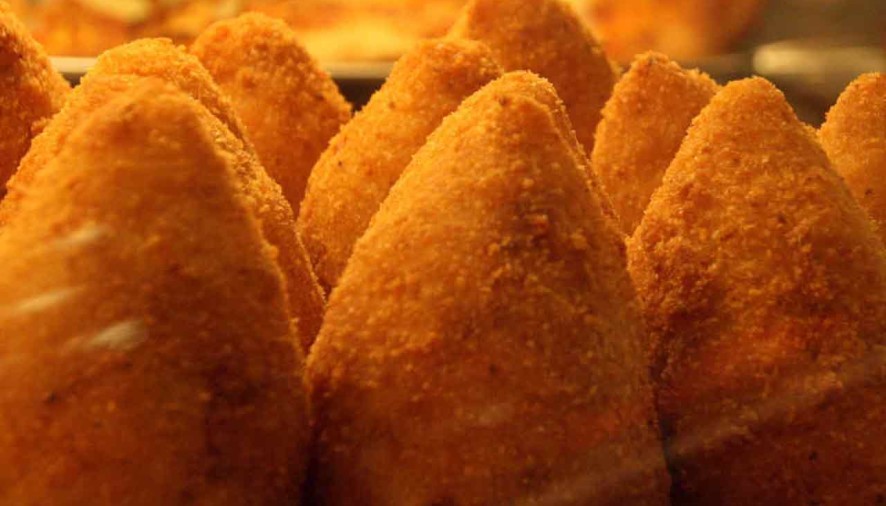
Let’s start with one of the most iconic symbols of Sicilian street food: the arancino (in Catania) or arancina (in Palermo). The debate over the name is historic, but for those eating it, it doesn’t matter: flavor wins. It’s a ball (or cone) of rice, usually filled with meat ragù, peas, and cheese, then breaded and fried until it forms a golden and crispy crust. Nowadays, there are dozens of variations: with butter, mushrooms, spinach, even alla norma or with Bronte pistachio. Every rosticceria (fried-food deli) has its own version, its own secret!

2. Pane ca meusa

It may be the most “extreme” dish in Palermo’s street food scene, but also one of the most faithful to popular tradition.
Pane ca meusa is a sandwich with spleen, often also with veal lung. The offal is boiled and then sautéed in lard, before being served in a soft roll called vastedda.
There are two schools of thought: maritatu, with the addition of caciocavallo cheese and lemon, and schettu, meaning plain. The impact can be strong, but if you overcome the initial barrier, you might discover a bold, deep, and unique flavor.

3. Panelle and crocchè: simple and irresistible

In the ranking of the most beloved street food dishes, panelle and crocchè claim the top spots. The former are thin chickpea flour fritters, crispy on the outside and soft inside. The latter – also known as cazzilli – are potato croquettes, often flavored with mint or parsley.
Served together inside a sesame roll, they become a full meal (and a very cheap one). You’ll find them on every street corner in Palermo, sold from carts or small kiosks. The secret? Eat them freshly fried, still hot.

4. Cipollina catanese: the puff pastry you didn’t expect

Catania has its own specialties, and cipollina is one not to be missed. It’s a puff pastry filled with stewed onion, cooked ham, and mozzarella. Its deliciousness lies in the balance between the sweetness of the onion and the savory filling. Every bar or rosticceria in Catania has its own version: some lighter, some oozing with filling.

5. Cartocciata

Also typical of Catania is another delight: the cartocciata, a close cousin of the calzone, but with dough more similar to bread. Usually filled with ham, mozzarella, olives, and tomato, it’s perfect for takeaway.
During the feast of Sant’Agata or in neighborhood markets, cartocciata is a walking companion, enjoyed while browsing from stall to stall. Some are filled with eggplant, spinach, or sausage: each one has its own story.

6. Sfincione palermitano

Those who think southern Italy is only about Neapolitan pizza have never tried sfincione. It’s a thick, fluffy focaccia topped with tomato, onion, anchovies, and caciocavallo cheese. Baked in large trays and served in slices, it’s often dusted with breadcrumbs.
During Christmas or the Feast of Saint Joseph, sfincione invades the streets of Palermo. The aroma rising from the carts is irresistible, and the vendors always have a theatrical tone, able to convince you to try it even if you’ve just eaten.

7. Brioche with gelato

Let’s end on a sweet note. In Sicily, gelato is also eaten inside a brioche. But not just any brioche—this one has a tuppo, soft and fragrant. You can choose classic flavors or those typical of the island: pistachio, almond, mulberries, cinnamon. And yes, you can also add whipped cream.
It’s an explosion of pleasure that accompanies your summer evenings while walking along the seafront or in a village square.

Street food that tells the story of a people

The beauty of Sicilian street food lies not only in its variety, but in its ability to tell Sicily’s story. Every bite speaks of its history made up of conquests, cultural blending, of commoners and nobility. There’s the Arab legacy, the Norman, the Spanish. There’s poverty transformed into culinary richness, the creativity of those who knew how to do a lot with little.

If you visit Sicily, don’t just stick to restaurants. Head into the streets, listen to the vendors, breathe in the aromas, try something unfamiliar. Street food here is a form of storytelling: by eating, you learn. And you rarely forget. And if you want to discover more about street food, don’t miss our dedicated tours, where you can explore not only new flavors but also the history behind each dish—and above all, the best places to taste them!

cosa vedere a Taormina

Hello, I’m Iolanda, In 2010, I decided to return to my magical island, Sicily, so that the experience I had gained over the previous years could take shape in the place where I was born.

Escursioni in sicilia

Escursioni

VIVI LE PIU’ BELLE ESPERIENZE IN SICILIA, ABBIAMO SELEZIONATO PER VOI LE PIU’ BELLE ESCURSIONI PRESENTI IN SICILIA. 

Alloggi in Sicilia

Alloggi

CERCHI UN HOTEL DI LUSSO, CASALI ESCLUSIVI,  VILLA CON PISCINA O B&B? SCEGLI L’ALLOGGIO PIU’ ADATTO A TE

noleggio auto sicilia

Noleggio auto

IL NOLEGGIO DI UN’AUTOMOBILE IN SICILIA È IL MODO MIGLIORE PER SCOPRIRE LE PRINCIPALI BELLEZZE DELLA REGIONE SENZA ALCUN VINCOLO

noleggio scooter sicilia

Noleggio scooter

NOLEGGIARE UNO SCOOTER IN SICILIA PERMETTE DI VIVERE UN’ESPERIENZA UNICA, UNA VACANZA RICCA DI RICORDI

What to See in Catania: City Guide

What to See in Catania: City Guide

What to See in Catania: City Guide

Let’s go out together to discover Catania.

Overlooking the Ionian Sea and guarded by the imposing silhouette of Mount Etna, Catania is a city that pulses with history, culture, and contrasts.
A place where the streets recount centuries of eruptions and rebirths, and where Sicilian energy expresses itself in an irresistible blend of baroque, street food, and folklore.
Visiting Catania means discovering a wonderful city in Southern Italy—one of the most authentic in the south—where time seems to have layered itself in every corner. Here is a complete guide on what to see in Catania, to explore its wonders with curious eyes and an unhurried pace.

Piazza del Duomo and Surroundings: Discovering the Baroque

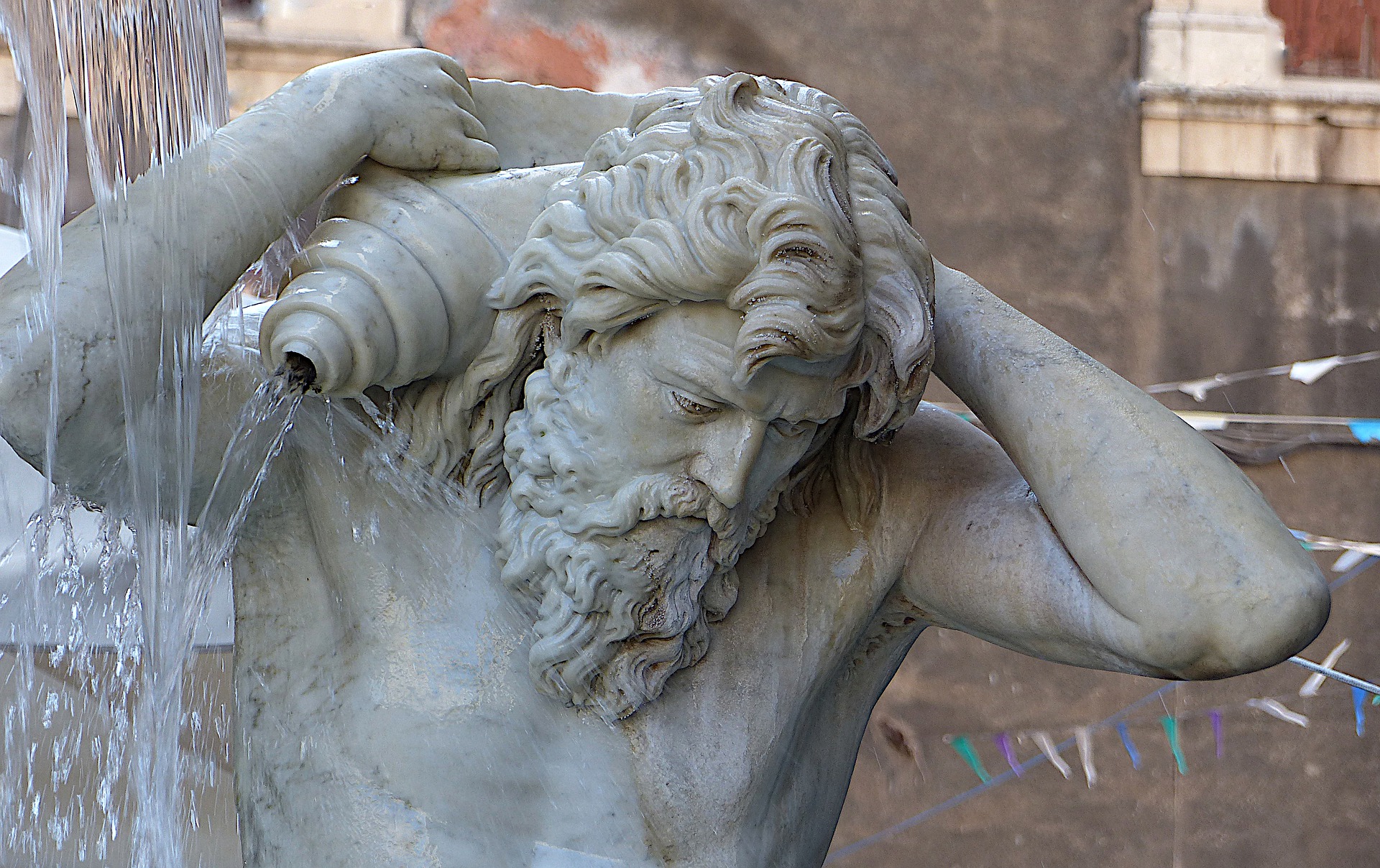
Any Catania itinerary must begin at Piazza del Duomo, the true drawing room of the city. In the center stands the elephant made of lava stone, symbol of the city and known as “Liotru”, supporting an Egyptian obelisk: a monument that tells the story of the city’s cultural stratification, suspended between epochs and legends.
Dominating the square is the Cathedral of Sant’Agata, dedicated to the patron saint of Catania. Its interior, sumptuous yet intimate, houses the remains of the saint and those of the composer Vincenzo Bellini, a celebrated son of the city. The exterior, on the other hand, strikes with its baroque façade in light stone that magnificently contrasts with the lava basalt of the surrounding buildings.
Behind the Duomo unfolds the Pescheria, one of the most picturesque markets in the Mediterranean. It’s a full sensory experience: the pungent smell of fresh fish, the overlapping voices of vendors in a musical dialect, the vivid colors of the fruit and spice stalls. Even those who don’t plan to buy anything leave enriched, their soul warmed by human connection.

Via Etnea: Between Shopping, Churches, and Views of Etna

From Piazza del Duomo begins Via Etnea, the main thoroughfare of the city, running straight northward and offering an ever-changing backdrop. It’s the perfect place to stroll, observe the daily life of the locals, and do a bit of shopping.
Along the street, it’s worth stopping at the Basilica della Collegiata and Villa Bellini, the green heart of the city, ideal for resting in the shade of centuries-old trees. On clear days, Mount Etna peeks through at the end of the street, creating a natural stage that needs no filters.

Hidden Treasures: Monastery of the Benedictines and Roman Theatre

Those who want to go beyond the surface will find in Catania some truly valuable surprises. One of the most fascinating places is the Monastery of the Benedictines, now home to the University. The building, one of the largest monastic complexes in Europe, is a labyrinth of cloisters, monumental staircases, and frescoed rooms. Walking through it means stepping into the heart of 18th-century Sicily, but also into a surprising example of architectural recovery.
Not far away, the Roman Theatre hides among the buildings of the city center like a well-kept secret. It’s astonishing how, by descending just a few steps, you find yourself in another era. The black stone seating tells stories of performances and daily life in ancient Catania, still alive beneath our feet.

Castello Ursino and the Charm of Medieval Catania

Another unmissable landmark is Castello Ursino, built in the 13th century by Frederick II of Swabia. Today it houses the Civic Museum, with a collection ranging from archaeological finds to medieval and modern paintings.
But the building itself is striking: originally built on the sea, it now sits inland due to lava flows that have reshaped the city’s geography over the centuries.
The area around the castle is also perfect for a culinary break: traditional taverns and modern restaurants coexist in a neighborhood that has managed to reinvent itself while maintaining an authentic soul.

Catania by Night: Nightlife, Squares, and Urban Rituals

At night, Catania changes its face: its squares fill with young people, alleys come alive with music, and outdoor tables become the stage for an overwhelming social atmosphere.
Piazza Teatro Massimo, named after the beautiful Teatro Bellini, is one of the liveliest spots. It’s worth checking the theater’s program—even a simple guided visit inside is an experience that reflects the city’s passion for art and opera.
For those who prefer more tranquil atmospheres, the neighborhoods of San Berillo Vecchio or Borgo offer charming glimpses, with small art galleries, independent bookstores, and bohemian-style bistros.

Mount Etna

One cannot speak of Catania without evoking the constant and imposing presence of Mount Etna. The volcano is not just a natural element, but an integral part of the city’s identity. An organized trip up to the crater, whether by jeep or cable car, allows you to experience the primordial force of nature up close.
In summer, you walk among lava flows and fields of blooming broom; in winter, you can even ski while gazing at the sea. Along the way, you’ll encounter shelters, vineyards, and small villages that offer a different, more intimate Sicily, shaped by ash and wind.

The Flavors of Catania: A Journey of Taste

Every visit to Catania is also a gastronomic journey. The city boasts a rich culinary tradition, rooted in popular cooking and street food. Arancini (strictly masculine here), cartocciate, cipolline, and brioche con granita are just a few of the specialties to try in the historic cafés or kiosks scattered throughout the city.
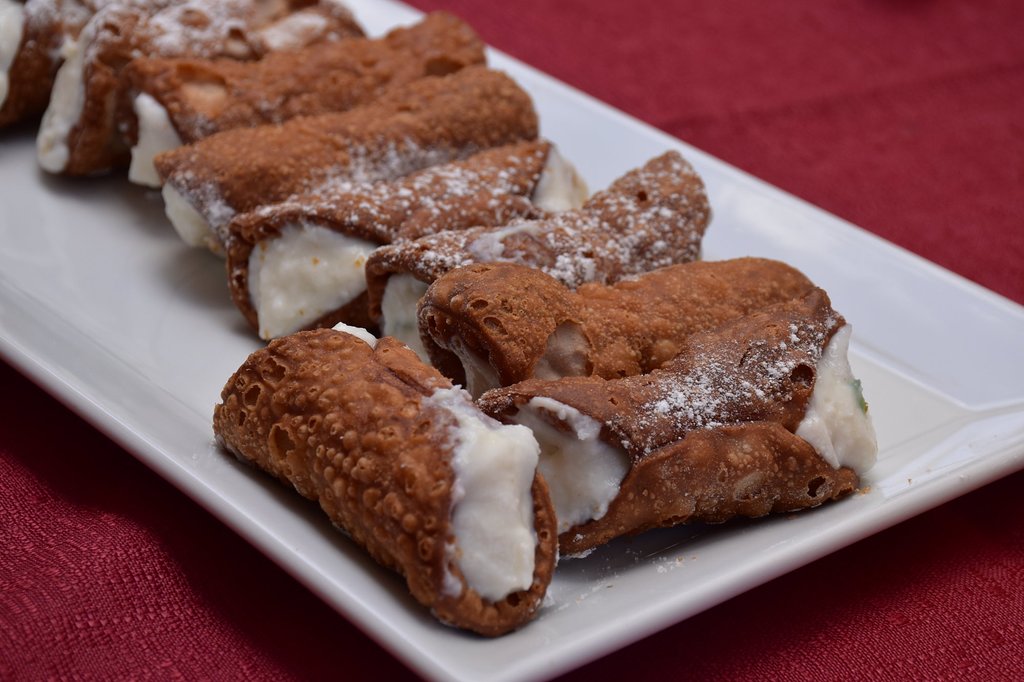
Traditional dishes such as pasta alla Norma—a tribute to Bellini and a symbol of Catanese cuisine—are not to be missed. And to end on a sweet note, a Sicilian cannolo with fresh ricotta is a must.

When to Visit Catania?

Catania is a city to be discovered year-round, but each season offers different nuances. Summer is hot and lively, with the sea just a short distance away and Etna dominating the horizon. Spring and autumn are ideal for walking and enjoying the mild climate, while winter offers the chance to attend events such as the Feast of Sant’Agata (February 3–5), one of the largest religious celebrations in Europe.


Hello, I’m Iolanda, In 2010, I decided to return to my magical island, Sicily, so that the experience I had gained over the previous years could take shape in the place where I was born.

Escursioni in sicilia

Escursioni

VIVI LE PIU’ BELLE ESPERIENZE IN SICILIA, ABBIAMO SELEZIONATO PER VOI LE PIU’ BELLE ESCURSIONI PRESENTI IN SICILIA. 

Alloggi in Sicilia

Alloggi

CERCHI UN HOTEL DI LUSSO, CASALI ESCLUSIVI,  VILLA CON PISCINA O B&B? SCEGLI L’ALLOGGIO PIU’ ADATTO A TE

noleggio auto sicilia

Noleggio auto

IL NOLEGGIO DI UN’AUTOMOBILE IN SICILIA È IL MODO MIGLIORE PER SCOPRIRE LE PRINCIPALI BELLEZZE DELLA REGIONE SENZA ALCUN VINCOLO

noleggio scooter sicilia

Noleggio scooter

NOLEGGIARE UNO SCOOTER IN SICILIA PERMETTE DI VIVERE UN’ESPERIENZA UNICA, UNA VACANZA RICCA DI RICORDI
What to See in Taormina: A Unique Destination

What to See in Taormina: A Unique Destination

What to See in Taormina: A Unique Destination Between History, Nature, and Beauty

If you’re wondering what to see in Taormina, know that the answer is never simple. Not because there’s a lack of things to do — quite the opposite. It’s just that Taormina is one of those cities that go beyond a checklist of landmarks. It’s made of atmospheres, of light, of views that stay with you long after you’ve left.

Perched on a promontory overlooking the Ionian Sea, with Mount Etna rising in the background, Taormina blends history, nature, and culture in a way that’s hard to find elsewhere. And even if you have only one day to explore it, here’s what you absolutely shouldn’t miss.

Ancient Theatre: The Perfect Starting Point

When it comes to what to see in Taormina, the top of the list is surely the Ancient Theatre. It’s the most iconic monument in town — and for good reason. Its location is simply breathtaking. From the highest row of the cavea, you can see the coastline stretching all the way to Catania, with Etna in the distance and the sea below.

Built by the Greeks and later expanded by the Romans, the theatre is still in use today for concerts and theatrical performances. If you get the chance, visit it at sunset: the shifting light on the stone and surrounding landscape is an unforgettable experience.

Corso Umberto: A Walk Between History and Style

Another must among the top things to see in Taormina is Corso Umberto I, the main pedestrian street running through the historic center. It links Porta Messina and Porta Catania, and along the way you’ll encounter a seamless flow of churches, palaces, squares, artisan shops, and sea views.

It’s perfect for a leisurely walk. You can stop by a bookshop, try an almond granita, pick up some local products or simply enjoy watching life go by. It’s not just about shopping — this is Taormina in its most authentic form.

Piazza IX Aprile: The Most Beautiful Terrace in Sicily

Looking for a place to pause and take some memorable photos? Piazza IX Aprile is the spot. Probably one of the most scenic squares in Italy, it opens up to a panoramic terrace that overlooks the bay and the volcano. It’s also the city’s social heart, with historic cafés and street performers animating the scene.

On one side you’ll find the baroque Church of San Giuseppe, and on the other, the bell tower of the former Church of Sant’Agostino. You don’t need to do much here: just sit, order a drink, and enjoy the moment.

Villa Comunale: A Garden with a View

Among the top things to see in Taormina, don’t miss a walk through the Villa Comunale Gardens. This peaceful public park was created in the late 19th century by Lady Florence Trevelyan, a British noblewoman who made Sicily her home.

Today, it’s a quiet spot filled with Mediterranean vegetation and charming stone structures. But the real highlight is the view: from here, the Ionian coastline stretches as far as Calabria. It’s the perfect place to relax and take stunning photos.

Isola Bella: Untouched Nature Just Below the City

If you’re looking for what to see in Taormina near the sea, the answer is easy: Isola Bella. This tiny island, connected to the mainland by a narrow strip of sand, is one of the most iconic sights in Sicily. Located just below the historic center, it can be easily reached by cable car.

Today, it’s a protected nature reserve and can be visited on foot when the tide is low. Its crystal-clear waters make it ideal for snorkeling or simply lounging on the beach. Don’t forget water shoes — the rocks can be sharp!

Castelmola: A Hilltop Village Above Taormina

Among the most recommended day trips from Taormina is Castelmola, a small village perched above the town. You can reach it by car with a short drive or on foot if you enjoy scenic hikes. Once at the top, you’ll be rewarded with panoramic views of the coast and Mount Etna. The village is small but full of charm: traditional shops, a ruined castle, and local bars where you can taste the famous almond wine, a specialty of the area.

The Beaches of Taormina: Between Relaxation and Crystal Waters

In addition to Isola Bella, if you’re wondering what to see in Taormina to enjoy the sea, check out Mazzarò and Spisone beaches. Mazzarò is a charming bay with well-equipped beach clubs and calm waters — perfect if you’re looking for comfort and services. Spisone, on the other hand, is a bit wilder, ideal for those who love quieter spots and don’t mind a few rocks under the towel. Both beaches offer clear water and rich seabeds, great even for beginners with a snorkel.

A Few Tips for Your Visit

If you’re planning a trip to Taormina, these practical tips will help you make the most of your experience:

  • Best time to visit: April to June and September to October. Summer is beautiful, but it can be very crowded.

  • Getting around: The historic center is entirely pedestrian, so you’ll walk most of the time. The cable car is a quick and easy way to reach the seaside from the upper town.

  • What to eat: Don’t miss pasta alla norma, arancine, cassata, and of course a granita with brioche. If you want dinner with a view, book in advance — the most scenic spots fill up quickly.

Taormina is one of those places where every view deserves a pause, every square feels like it was designed to make you fall in love, and every sunset seems to whisper “arrivederci” instead of goodbye.

cosa vedere a Taormina

Hello, I’m Iolanda, In 2010, I decided to return to my magical island, Sicily, so that the experience I had gained over the previous years could take shape in the place where I was born.

Escursioni in sicilia

Escursioni

VIVI LE PIU’ BELLE ESPERIENZE IN SICILIA, ABBIAMO SELEZIONATO PER VOI LE PIU’ BELLE ESCURSIONI PRESENTI IN SICILIA. 

Alloggi in Sicilia

Alloggi

CERCHI UN HOTEL DI LUSSO, CASALI ESCLUSIVI,  VILLA CON PISCINA O B&B? SCEGLI L’ALLOGGIO PIU’ ADATTO A TE

noleggio auto sicilia

Noleggio auto

IL NOLEGGIO DI UN’AUTOMOBILE IN SICILIA È IL MODO MIGLIORE PER SCOPRIRE LE PRINCIPALI BELLEZZE DELLA REGIONE SENZA ALCUN VINCOLO

noleggio scooter sicilia

Noleggio scooter

NOLEGGIARE UNO SCOOTER IN SICILIA PERMETTE DI VIVERE UN’ESPERIENZA UNICA, UNA VACANZA RICCA DI RICORDI