Lakes in Sicily: the most beautiful natural and artificial lakes to visit

Lakes in Sicily: the most beautiful natural and artificial lakes to visit

Lakes in Sicily: the most beautiful natural and artificial lakes to visit

Contrary to the image of Sicily as a region defined solely by the sea and its beautiful coastline, the island is actually home to around thirty lakes spread across all its provinces, from the small mountain reservoirs of the Nebrodi Mountains to the coastal wetlands along the Ionian coast. Most lakes in Sicily are artificial, created by dams built between the 1950s and 1980s for irrigation and water supply, while natural lakes are fewer and owe their existence to karst basins, volcanic craters or lava flows that blocked the course of a stream.

Reservoirs managed by land reclamation consortia often have inaccessible shores and water levels that fluctuate considerably between spring and late summer, sometimes dropping enough to expose large areas of the lakebed. Nature reserves, on the other hand, are equipped with trails, birdwatching hides and visitor centres, and in some cases require an admission fee. Only a few offer lakeside accommodation, canoe rentals or designated swimming areas.

The time of year can completely change the experience. Between October and November, and again from March to May, the lakes become populated with migratory birds taking advantage of Sicily’s position along the route between North Africa and continental Europe. In July and August, however, many lakes shrink considerably, while high temperatures make daytime walks less practical. Let’s discover together the most beautiful and interesting lakes to visit in Sicily!

Natural lakes to visit in Sicily

In the Erei Mountains basin, just a few kilometres south of Enna, the first natural lake worth visiting is Lake Pergusa, which occupies a depression with no tributaries or outlets. Its water supply depends on rainfall and groundwater, while water is lost solely through evaporation. Over thousands of years, this process has concentrated dissolved salts, giving the lake its brackish waters. The area is protected as a special nature reserve, the first to be established on the island, and is also included among the Special Protection Areas of the European network.

The phenomenon that makes this lake particularly famous concerns its colour: under certain conditions of salinity and sunlight, the water takes on a reddish-purple hue due to the proliferation of a copepod, Arctodiaptomus salinus, which produces a carotenoid pigment to protect itself from solar radiation. As a curious historical detail, classical tradition associates the abduction of Proserpina with this lake, an episode that Ovid places precisely in these meadows.

Very different is the case of the Mirror of Venus, located in the Bugeber district on Pantelleria. This is an endorheic lake set within a volcanic depression, fed by rainfall and underwater springs that release warm water along the southern shore. Visitors can choose where to bathe according to their preferred temperature, as the water is warmer in the south and cooler in the north. The presence of clay sediments traditionally used as natural mud treatments also makes it a thermal destination as well as a place of natural beauty.

Mountain lakes in Sicily: the Nebrodi Mountains and Mount Etna

Among the most beautiful lakes to visit are the mountain lakes of Sicily, located in the Nebrodi Mountains and on Mount Etna. At an altitude of 1,498 metres, on the slopes of Monte Soro, which at 1,847 metres is the highest peak in the Nebrodi Mountains, lies Lake Maulazzo. Covering around five hectares within the territory of Alcara Li Fusi, it was created by an earth dam built in the 1980s. However, the surrounding beech forest has transformed it within just a few decades into an important habitat for local birdlife, with regular sightings of grey herons, mallards and kingfishers, as well as endemic plant species such as the Valdemone thistle growing along its shores.

Not far away, reached via a detour from the road connecting Cesarò and San Fratello, lies the Biviere di Cesarò, the natural counterpart to Lake Maulazzo. This glacial lake sits at an altitude of 1,278 metres and is fed by springs. Its shores are frequented by free-roaming Sanfratellano horses, while on clear days it offers magnificent views of Mount Etna.

On the north-western side of the volcano, in the territory of Randazzo, lies Lake Gurrida, which owes its existence to a sixteenth-century lava flow that blocked the course of the Flascio stream. During winter, the water level can rise above four metres, flooding the surrounding land on the plateau at an altitude of 835 metres. In summer, the lake recedes, leaving behind wet meadows. One of its most unusual agricultural features is the presence of vineyards that remain submerged for months without suffering damage. Visiting this lake offers the opportunity to follow a nature trail with observation points in the only wetland area of the Etna Park. Further downstream, between Francavilla di Sicilia and Castiglione, the Alcantara River forms the gurne, sixteen consecutive pools of icy water set between basalt walls.

Artificial lakes: from Lake Rosamarina to Lake Santa Rosalia

At the foot of the town of Caccamo, in the province of Palermo, lies Lake Rosamarina, the largest artificial reservoir in Sicily. It was created by damming the San Leonardo River and supplies water for domestic and agricultural use across much of the Palermo area. The shores remain largely wild and undeveloped, with the exception of the eastern side, where a multifunctional facility offers a campsite, refreshments, a swimming pool and a water sports centre with canoe, kayak and pedal boat rentals. Combining a visit to the lake with Caccamo Castle makes for an even more enjoyable day out, particularly in spring or summer.

In the Sicani Mountains, between Sambuca di Sicilia, Santa Margherita di Belice and Sciacca, you can visit Lake Arancio, which covers 3.7 square kilometres and was created in the early 1950s by damming the Carboj River. Rising waters partially submerged the Fortino di Mazzallakkar, a fortified structure dating back to the Islamic period. Today, its ruins emerge from the water when the level drops, a condition that usually occurs in late summer. The area is managed for conservation purposes by LIPU, the Italian League for Bird Protection, which has established a nature oasis here. The lake lies along the migratory routes of spoonbills, northern shovelers and curlews, while great crested grebes, Eurasian coots and common moorhens breed there regularly.

In the countryside around Ragusa, set within a basin in the Hyblaean Mountains, lies Lake Santa Rosalia, created by damming the Irminio River for irrigation purposes. It covers 1.45 square kilometres and has an irregular shoreline that provides shelter for numerous breeding species, including kestrels, red kites and common ravens. Nearby, visitors can also explore Donnafugata Castle and the nature reserve at the mouth of the Irminio River.

Lakes in Sicily and birdwatching: Vendicari and Biviere di Gela

Along the coast between Noto and Pachino lies the Vendicari Wildlife Oasis Nature Reserve, which protects around 1,500 hectares of brackish and freshwater marshes, abandoned salt pans, rocky stretches of coastline, beaches and Mediterranean scrubland. Its position along the migratory route between Africa and Europe means that, within just a few hours of observation, visitors may spot greater flamingos, black-winged stilts, herons and storks. Bird populations change considerably between the autumn and spring migration periods. Pantano Grande preserves traces of the area’s ancient salt pans, while the remains of the nineteenth-century tuna fishery and the Swabian tower stand out along its shores. The beautiful Calamosche cove is also located nearby. The internal route follows mostly flat trails with birdwatching hides and is suitable for families with children, provided visitors avoid the hottest hours of summer days. Admission is charged, and the car parks are located along the main road, several hundred metres from the access points.

On Sicily’s southern coast, just a few hundred metres inland from the shoreline, Biviere di Gela is the island’s largest coastal lake and one of the few environments of its kind remaining in the central Mediterranean. The reserve, managed by LIPU, offers daily opening hours and guided tours for groups, but it can also be explored independently thanks to its equipped trails and birdwatching hides overlooking the water. Species that can be observed include purple herons, common pochards, Eurasian wigeons, Kentish plovers and glossy ibises, the metallic-hued birds that have become a symbol of the protected area.

isola bella taormina

Ciao Sono Iolanda, Nel 2010 ho deciso di ritornare nella mia magica isola, la Sicilia, affinchè l’esperienza acquisita negli anni precedenti prendesse forma lì dove ero nata.

Link Utili

Dove si trova
Come raggiungerla
Numeri utili
Mappa di Siracusa
 

Escursioni in sicilia

Escursioni

VIVI LE PIU’ BELLE ESPERIENZE IN SICILIA, ABBIAMO SELEZIONATO PER VOI LE PIU’ BELLE ESCURSIONI PRESENTI IN SICILIA. 

Alloggi in Sicilia

Alloggi

CERCHI UN HOTEL DI LUSSO, CASALI ESCLUSIVI,  VILLA CON PISCINA O B&B? SCEGLI L’ALLOGGIO PIU’ ADATTO A TE

noleggio auto sicilia

Noleggio auto

IL NOLEGGIO DI UN’AUTOMOBILE IN SICILIA È IL MODO MIGLIORE PER SCOPRIRE LE PRINCIPALI BELLEZZE DELLA REGIONE SENZA ALCUN VINCOLO

noleggio scooter sicilia

Noleggio scooter

NOLEGGIARE UNO SCOOTER IN SICILIA PERMETTE DI VIVERE UN’ESPERIENZA UNICA, UNA VACANZA RICCA DI RICORDI

valle dei templi
Castles in Sicily: the Fortresses and Manors Worth Visiting

Castles in Sicily: the Fortresses and Manors Worth Visiting

Castles in Sicily: the Fortresses and Manors Worth Visiting

A journey devoted to the castles in Sicily takes you through a heritage of more than two hundred structures between manors, coastal watchtowers and urban walls, the result of a succession of dominations that left overlapping traces within the same building: Norman towers absorbed into Aragonese bastions, Swabian curtain walls reworked by Spanish engineers, feudal quarters turned into nineteenth century residences.

We take you to discover the most beautiful castles on the island, the ones that stand out for their historical weight, moving from the Norman constructions of the eastern side to the baronial fortresses of the inland districts, all the way to the military fortifications that rise above the sea.

Norman castles in Sicily: the castle of Aci and the keep of Paternò

On the Ionian coast north of Catania you should visit the castle of Aci, set on a promontory of columnar basalt formed by submarine lava flows that settled some five hundred thousand years ago. The building is told apart from the rock only by the regularity of its ashlar blocks. Access is through a masonry bridge that replaced the old drawbridge system, and the position reveals its historical role, that of commanding the stretch of sea between Catania and Capo Mulini, at a point where the coastline narrows.

Inside the civic museum of Acicastello you can follow a route that leads through archaeological finds ranging from prehistory to the medieval age, along with a mineralogical section devoted to the volcanic rocks of the territory and a botanical garden with species of the Etna flora and succulents. From the summit terrace your gaze can travel as far as the Faraglioni dei Ciclopi and Lachea island.

Further inland, on the south western slopes of Etna, stands the castle of Paternò: a rectangular donjon commissioned by Roger I around 1072, a little over thirty metres high, built in lava blocks alternating with courses of white stone and placed on a hill of volcanic origin that dominates the Simeto valley.

The structure preserves the multi level layout typical of Norman towers, with the ground floor used as a storehouse, the piano nobile as living quarters and the palatine chapel carved into the thickness of the walls. The pointed arch openings and the mullioned windows belong to later alterations. The complex hosts temporary exhibitions and remains one of the most effective panoramic points from which to observe the cone of Etna on its southern side.

Baronial fortresses of the interior: castle of Caccamo and castle of Mussomeli

About forty kilometres from Palermo stands the castle of Caccamo, perched on a rocky spur overlooking the San Leonardo basin and recognised as one of the best preserved fortified complexes on the island, with a total surface of fifteen thousand square metres.

Its original layout dates back to the Norman period, while the structure you see today comes from the enlargements carried out in the fourteenth century by the Chiaramonte family, and from the later works of the Cabrera and then the Prades, recognisable in the crenellation, in the added stables and in the creation of state rooms.

During the visit you can see the Salone della Congiura, where the barons gathered in 1160 to organise their revolt against William I, known as the Bad, together with the rooms with painted ceilings and the prisons cut into the living rock. The internal route unfolds along ramps and staircases that follow the shape of the limestone bank, and from the terraces you can look out over the Rosamarina dam.

In the heart of the province of Caltanissetta you can instead visit the Manfredonic castle of Mussomeli, whose masonry carries on the vertical line of the rocky ridge it rests upon, so much so that from a distance it becomes difficult to tell where the natural formation ends and human work begins.

Its construction is owed to Manfredi Chiaramonte, who around 1364 wanted a building that would hold together both a military function and a residential character, consistent with the role his family played in fourteenth century Sicily. The rooms open to visitors include the Hall of the Barons, the chapel with cross vaults, the chambers known as the Ladies’ Rooms and the outer walkways that follow the rocky perimeter.

Swabian military architecture by the sea: Castello Maniace in Syracuse and the castle of Milazzo

At the southern tip of Ortigia, positioned so as to control the Porto Grande and the Porto Piccolo at the same time, rises Castello Maniace, commissioned by Frederick II and built between 1232 and 1240 on a quadrangular plan with cylindrical corner towers. The element of greatest interest remains the marble entrance portal and the great hypostyle hall covered by cross vaults resting on columns, a space that combined defensive function with representative ambition according to the model of the Frederician foundations. The name comes from the Byzantine general George Maniakes, active in the area in the previous century.

On the Tyrrhenian side the castle of Milazzo is well worth a visit, since it is the largest fortified citadel in the whole of Sicily, with around seven hectares of total surface and a stratification that starts with the Greek acropolis, continues with the Arab fortification, consolidates with the Swabian keep of the Frederician age and expands, finally, with the fourteenth century Aragonese walls and with the Spanish circuit built during the sixteenth century according to defensive criteria suited to artillery.

Within the perimeter you will find the old cathedral of seventeenth century design, the Palazzo dei Giurati and the wide open spaces used for summer events. From the bastions the view reaches the Aeolian archipelago and the promontory of Capo Milazzo, with Vulcano and Lipari recognisable in the distance on the clearest days.

Rock cut castles and royal residences: Sperlinga and Montalbano Elicona

In the territory of Enna, on the edge of the Nebrodi mountains, stands the castle of Sperlinga, a rare case within the Mediterranean fortified landscape because most of its rooms are carved directly into the sandstone bank: corridors, stables, cisterns, grain silos and living quarters are hewn into the rock, while the masonry emerges only on the upper levels.

The place name derives from the Greek word spelunca, meaning cave, and the grottoes at the foot of the ridge were permanently inhabited until the middle of the twentieth century, and have since been recovered as an ethno anthropological museum. The fame of the site is tied to the historical events of the Sicilian Vespers of 1282, when the Angevin garrison held out here for more than a year under siege; the episode is recalled by the inscription placed on the entrance arch, which notes how Sperlinga alone denied what pleased the Sicilians.

On the mountains between Messina and the Nebrodi you can visit the castle of Montalbano Elicona, which shows the transformation of a defensive structure into a royal residence: the twelfth century Norman layout was reorganised by Frederick III of Aragon in the first decades of the fourteenth century, who turned it into a summer home and endowed it with the palatine chapel of Santa Maria Assunta, a space with a barrel vault and a royal burial on the lower floor.

The village below is part of the list of the most beautiful villages in Italy and preserves a compact medieval fabric, with stone houses and stepped alleyways.

The Castle of Donnafugata

Among the most famous fortified residences of the island is the Castle of Donnafugata, set in the countryside fifteen kilometres from Ragusa. Donnafugata stands for an age of seigneurial life, and behind the neo Gothic facade with its pointed arch loggia, commissioned by Baron Corrado Arezzo De Spuches in the second half of the nineteenth century, lies a fourteenth century core later expanded to the current one hundred and twenty rooms, about twenty of which can be visited with their original furnishings.

The eight hectare park includes a dry stone maze, the neoclassical coffee house, artificial grottoes and seats with water tricks typical of late nineteenth century taste. Two explanations circulate about the name: the popular one, which refers to the imprisonment of Bianca of Navarre, and the one now considered more reliable, which traces it back to the Arabic Ayn as Jafat, fountain of health. The building is also known for having been used as a film and television set, from The Leopard to the series devoted to Inspector Montalbano.

isola bella taormina

Ciao Sono Iolanda, Nel 2010 ho deciso di ritornare nella mia magica isola, la Sicilia, affinchè l’esperienza acquisita negli anni precedenti prendesse forma lì dove ero nata.

Link Utili

Dove si trova
Come raggiungerla
Numeri utili
Mappa di Siracusa


Escursioni in sicilia

Escursioni

VIVI LE PIU’ BELLE ESPERIENZE IN SICILIA, ABBIAMO SELEZIONATO PER VOI LE PIU’ BELLE ESCURSIONI PRESENTI IN SICILIA. 

Alloggi in Sicilia

Alloggi

CERCHI UN HOTEL DI LUSSO, CASALI ESCLUSIVI,  VILLA CON PISCINA O B&B? SCEGLI L’ALLOGGIO PIU’ ADATTO A TE

noleggio auto sicilia

Noleggio auto

IL NOLEGGIO DI UN’AUTOMOBILE IN SICILIA È IL MODO MIGLIORE PER SCOPRIRE LE PRINCIPALI BELLEZZE DELLA REGIONE SENZA ALCUN VINCOLO

noleggio scooter sicilia

Noleggio scooter

NOLEGGIARE UNO SCOOTER IN SICILIA PERMETTE DI VIVERE UN’ESPERIENZA UNICA, UNA VACANZA RICCA DI RICORDI

valle dei templi
Museums to Visit in Palermo: The Best Collections and Cultural Sites

Museums to Visit in Palermo: The Best Collections and Cultural Sites

Museums to Visit in Palermo: The Best Collections and Cultural Sites

With two or three days to explore the city, a visit to Palermo will naturally lead you towards the Cathedral, the Quattro Canti, the Norman Palace and the streets of its historic markets. Yet another significant part of the city lies behind the doors of ancient palaces, convents and monumental complexes. The museums to visit in Palermo offer a journey through very different periods of the city’s history, from its Islamic and Norman heritage to 15th-century Sicilian painting, Mediterranean archaeological finds, popular traditions and spaces designed to introduce children to nature and history.

Planning these visits requires some attention to opening hours, as the various sites are managed by different institutions and do not follow the same timetable. Regional museums, private venues and buildings with institutional functions have their own opening arrangements; at the Norman Palace, for instance, access to the royal apartments may depend on the activities of the Sicilian Regional Assembly. Most of the places described here are located in or close to the historic centre and can be reached on foot, while the Pitrè Museum and the Capuchin Catacombs require a longer journey.

Norman Palace and Palatine Chapel

Standing just beyond Porta Nuova, the Norman Palace brings together centuries of transformations within a building that has changed its function over time while retaining a central role in the history of Palermo. The former fortress from the Islamic period was expanded by the Norman rulers, altered during subsequent centuries and is still used today as the seat of the Sicilian Regional Assembly; the visitor route therefore leads through a royal residence where medieval architecture, decorations from different periods and institutional activity coexist within the same complex.

The Palatine Chapel is the best-known part of the visit. Commissioned by Roger II and consecrated in the 12th century, it brings together artistic languages drawn from different traditions: Byzantine mosaics dominated by Christ Pantocrator, a wooden muqarnas ceiling linked to Islamic culture and opus sectile floor decorations. As visitors move through the chapel, the gold-covered mosaics and the elaborate wooden ceiling reveal the combination of artistic influences that shaped one of Palermo’s most celebrated monuments.

The royal apartments include the Hall of Roger, whose walls are covered with mosaics depicting animals and hunting scenes, the Hall of Hercules, still used for parliamentary sittings, the Hall of the Duke of Montalto with frescoes by Pietro Novelli, and the Hall of the Viceroys. The Pisan Tower has housed the Astronomical Observatory since 1791 and is also associated with Giuseppe Piazzi, who discovered Ceres from Palermo in 1801. Before planning a visit, it is advisable to check which rooms are open, as parliamentary activity may affect access.

Palazzo Abatellis and the Gallery of Modern Art

In the Kalsa district, Palazzo Abatellis houses the Regional Gallery of Sicily inside a Late Gothic building constructed at the end of the 15th century for Francesco Abatellis. The museum’s layout, designed by Carlo Scarpa in 1954, makes use of the character of the historic interiors and guides visitors through the works displayed in the palace’s former rooms.

Among the best-known works is the Triumph of Death, a large 15th-century fresco originally from Palazzo Sclafani, in which Death, portrayed on horseback, bursts into a crowd of figures from different social classes. The collection also includes the bust of Eleonora of Aragon by Francesco Laurana, works from the Gagini workshop and numerous sculptures and architectural fragments from buildings across Sicily.

The upper floor is devoted to painting and houses the Annunciation of Antonello da Messina. The small panel, showing the Virgin against a dark background with her face turned towards the viewer, is one of the museum’s most famous works.

To continue into the art of the 19th and early 20th centuries, visitors can head to the Gallery of Modern Art on Via Sant’Anna. Housed in a restored former convent complex, the collection also documents the period when Palermo became one of the leading centres of European Liberty style, with works by Francesco Lojacono and Michele Catti alongside pieces connected with the cultural climate that developed around the Basile family and the Florio patronage.

Salinas Museum and Diocesan Museum

A few minutes from the Teatro Massimo, inside the former convent of the Oratorians of San Filippo Neri at the Olivella, the Antonino Salinas Regional Archaeological Museum preserves a collection that traces Sicily’s history through the civilisations that crossed the western Mediterranean. Its most famous group of works consists of the metopes from the temples of Selinunte, reliefs dating from the 6th and 5th centuries BC depicting episodes from Greek mythology, including stories of Perseus, Medusa and Heracles.

The galleries also contain the Ram of Syracuse, the Palermo Stone with annals of Egypt’s earliest rulers, finds from Mozia and Solunto, as well as material connected with underwater archaeology. The cloisters of the former convent are part of the visitor route and contain inscriptions, stone fragments and other pieces from the collection.

Near the Cathedral stands the Diocesan Museum, housed inside the Archbishop’s Palace. Some of its works come from churches and religious buildings that disappeared or were damaged during Palermo’s long history, and the collection includes sculptures associated with the Gagini workshop, Sicilian paintings from the 15th and 16th centuries, silverware and liturgical vestments. The palace interiors are also worth seeing, particularly the chapel decorated by Guglielmo Borremans, the Flemish painter who worked in Sicily during the 18th century.

Pitrè Museum and the Capuchin Catacombs

Away from collections dedicated to Sicily’s major artistic periods, the Giuseppe Pitrè Sicilian Ethnographic Museum, located in the Favorita Park beside the Chinese Palace, focuses on objects and traditions from everyday Sicilian life. The material collected by Giuseppe Pitrè between the 19th and 20th centuries documents crafts, beliefs and popular customs through pastoral tools, traditional clothing, painted glass, nativity scenes and material related to the Opera dei Pupi puppet tradition.

Particularly notable is the section dedicated to Sicilian carts, decorated with scenes from chivalric epics. The collection helps place many images and symbols still found in the island’s visual culture within their historical setting, from the figures of the paladins to representations that continue to appear in workshops and traditional celebrations. Its location also makes it possible to combine the visit with a walk through the park.

A completely different experience awaits at the Capuchin Catacombs, where thousands of bodies have been preserved and placed along the corridors of the convent according to social and professional categories. The preservation practice used for centuries involved placing bodies in special drying chambers to encourage natural dehydration before they were displayed. One of the best-known figures is Rosalia Lombardo, who died as a child in 1920 and was embalmed using a method developed by Alfredo Salafia. The site requires a respectful approach and may be particularly striking for younger visitors; photography is not permitted.

Children’s Museums and Other Cultural Visits in Palermo

Families travelling with children will also find several places built around direct interaction. The Museum of Illusions, located between Via Maqueda and the Teatro Massimo, uses forced perspective, mirrors and installations that alter the perception of space; the visit is relatively short and can easily be included between other stops in the historic centre.

Radici, Museum of Nature, housed inside the historic Bellotti De Magistris stationery shop, offers activities centred on natural materials and their transformation, with workshops organised for different age groups. In the Kalsa district, the MiniMupa introduces children to the history of Palermo and Sicily through hands-on tools and interactive displays designed to encourage direct participation.

Although it belongs to a different category, the Teatro Massimo Vittorio Emanuele also deserves a place in a cultural itinerary through Palermo. Guided tours allow visitors to enter the main auditorium, the royal box and other areas of one of Italy’s largest opera houses, depending on rehearsals and scheduled performances. Grouping nearby sites on the same day can help reduce travelling time, while opening hours and any temporary restrictions should be checked before planning the itinerary.

isola bella taormina

Ciao Sono Iolanda, Nel 2010 ho deciso di ritornare nella mia magica isola, la Sicilia, affinchè l’esperienza acquisita negli anni precedenti prendesse forma lì dove ero nata.

Link Utili

Dove si trova
Come raggiungerla
Numeri utili
Mappa di Siracusa


Escursioni in sicilia

Escursioni

VIVI LE PIU’ BELLE ESPERIENZE IN SICILIA, ABBIAMO SELEZIONATO PER VOI LE PIU’ BELLE ESCURSIONI PRESENTI IN SICILIA. 

Alloggi in Sicilia

Alloggi

CERCHI UN HOTEL DI LUSSO, CASALI ESCLUSIVI,  VILLA CON PISCINA O B&B? SCEGLI L’ALLOGGIO PIU’ ADATTO A TE

noleggio auto sicilia

Noleggio auto

IL NOLEGGIO DI UN’AUTOMOBILE IN SICILIA È IL MODO MIGLIORE PER SCOPRIRE LE PRINCIPALI BELLEZZE DELLA REGIONE SENZA ALCUN VINCOLO

noleggio scooter sicilia

Noleggio scooter

NOLEGGIARE UNO SCOOTER IN SICILIA PERMETTE DI VIVERE UN’ESPERIENZA UNICA, UNA VACANZA RICCA DI RICORDI

valle dei templi
Lipari: beaches, what to see and how to get there

Lipari: beaches, what to see and how to get there

Lipari: beaches, what to see and how to get there

Discover how to plan an itinerary in Lipari, one of the most beautiful islands in the Aeolian archipelago.

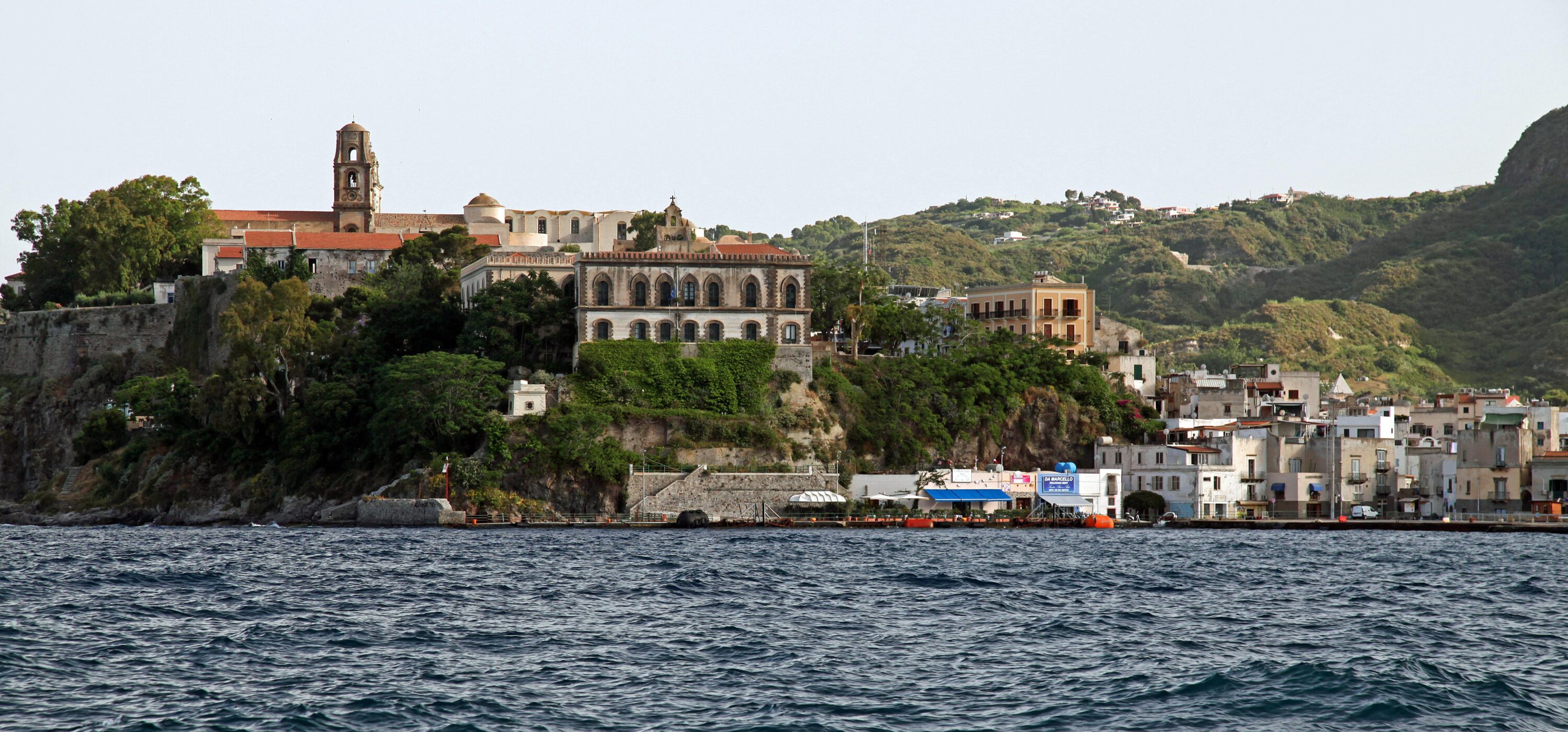
Lipari immediately gives the impression of a lived-in, vibrant island rather than a simple summer stopover, because beyond the postcard image of boats moored in Marina Corta and houses climbing up towards the castle you perceive an everyday life that continues out of season, with schools, small shops and bars open even when tourist numbers drop; this continuity makes it worthwhile to build an itinerary that is more than a sequence of beaches, shaping a day in which the historic centre, viewpoints, pumice quarries and swims in the sea find a realistic balance with ferry schedules and the island’s own rhythms.

When you ask yourself what to see in Lipari in one day, the answer inevitably involves a careful selection, because the temptation to circle the whole island, stringing together beach after beach and adding a hike on top, is strong but rarely compatible with the arrival and departure times of the boats; a sensible approach takes the landing time – often at Marina Lunga – as a reference and builds the day in concentric circles: historic centre and castle in the earlier hours, a walk down to Marina Corta, a stretch of coastal road towards Canneto or a panoramic viewpoint, and one carefully chosen beach, ideally less crowded and easier to reach in line with your energy and pace.

In the broader design of an itinerary on the island of Lipari, the timing of the trip also plays a role: a visit in late spring or early autumn allows you to enjoy the beaches with fewer crowds and to tackle walks with more comfort, whereas in high summer the heat and the concentration of visitors in the central hours push you towards cooler times of day and stretches of sea that can be reached by boat; deciding when to go matters as much as deciding what to see, especially if you move around without your own vehicle and rely on local buses or taxis.

Lipari town centre: what to see on foot

Walking off the boat at Marina Lunga and joining Corso Vittorio Emanuele, the lower part of Lipari’s town centre presents itself as a long, relatively narrow street lined with shops, bars and small stores that alternate between tourist-oriented products and elements of everyday life; following this axis on foot, heading towards Marina Corta, is an easy way to get a feel for the island without rushing, observing façades, the round windows typical of Aeolian architecture and the arches that connect one side of the street to the other.

The first key stop for anyone wondering what to see in Lipari on foot is the castle complex, which dominates the town from a lava outcrop and encloses within its walls the archaeological area and the Cathedral of San Bartolomeo; climbing up to the acropolis, passing through the fortifications and looking out over the remains of ancient settlements reveals the continuity of human presence in the Aeolian Islands, while a visit to the Archaeological Museum, for those with enough time, adds context through collections of prehistoric, Greek and Roman finds.

Dropping back down towards the sea, the small harbour of Marina Corta acts as a kind of urban living room, with its square opening onto the water, fishing boats and small excursion boats; behind it, a tangle of alleys combines residential houses, touches of street art and glimpses over the sea, giving a sense of how the town lives beyond the main street façade.

For visitors with only a few hours on the island, a walking route that includes Marina Lunga, the main street, the castle and Marina Corta covers the urban heart of Lipari, leaving room for a coffee or lunch break without the pressure of having to run from one side of the island to the other; in this framework, every detour to a side church, a stairway leading up towards the upper houses or an improvised viewpoint adds a detail that enriches the overall picture.

Beaches of Lipari and coastal stretches not to miss

When you talk about the beaches of Lipari, a clear distinction quickly emerges between areas that are easily reached by bus or a short transfer and those that require a little more logistical effort, often rewarded by a quieter atmosphere; for a single day, it makes sense to focus on one or two coastal stretches rather than trying to visit them all, taking into account the timings of your return to town.

The most popular and easiest beach to reach is Canneto, a long strip of pebbles and shingle about four kilometres from Lipari, served by buses and well equipped; the presence of bars and beach clubs makes it a good option for those looking for comfort, while the ends of the bay, such as the Calandra area, offer quieter sections, appreciated by visitors seeking slightly more secluded spaces for snorkelling and less crowded swims.

Continuing along the coastal road to the north, you reach Porticello, marked by the presence of the old pumice quarries, and the Acquacalda area, with its shingle shoreline and wide-open views over the other islands; this stretch, less built-up than Canneto, conveys more strongly the sense of an industrial landscape reclaimed by nature, where abandoned structures coexist with the sea and with new tourist uses of the territory.

On the opposite side, reached via more winding roads or by boats leaving from Marina Corta, Valle Muria beach is another often-mentioned spot, known for its dark sand and its position nestled between cliffs; in this case, deciding whether to include it in a one-day itinerary depends on your willingness to tackle steeper walks or to schedule a boat trip, always keeping an eye on the time needed to return to the main harbour.

A thoughtful visit to Lipari’s beaches, even when narrowing down the selection, allows you to read how the sea and extraction activities have shaped the coastline: floating pumice in Canneto, obsidian flows in the Rocche Rosse area and the different grain sizes of the shorelines are all details that, once you notice them, remain tied to your overall experience of the island.

What to see in Lipari in one day: suggested itinerary

When planning a full day focused on what to see in Lipari in one day, the main constraints are the ferry schedules to and from Milazzo or the other Aeolian islands, as well as the time of year; for those arriving in the morning and leaving in the late afternoon or evening, a practical structure is to alternate the historic centre, a viewpoint and an easily accessible beach.

One possible sequence begins with disembarkation at Marina Lunga and an ascent towards the castle and cathedral complex in the early hours of the day, when the light is still gentle and the heat less intense; visiting the bastions, the archaeological area and, for those interested, the museum will take up a good part of the morning, leaving time to walk back down to the main street, stop for a coffee and continue to Marina Corta, where a pause on the quay or in the square allows you to watch the comings and goings of boats and, if you wish, to book an afternoon boat excursion.

After lunch, your next choice depends on how you are getting around: those on foot and using buses can opt for Canneto, taking advantage of the frequency of services and how easy it is to get back, whereas those with a scooter or car can push on towards the more northern stretches of coastline or the viewpoints around Pianoconte or the observatory area, from which the views over Vulcano and the other islands give a three-dimensional sense of the archipelago.

For visitors who prefer to stay in a more “urban” context, an alternative is to devote the afternoon to a drive or scooter tour of the island, stopping at a few marked viewpoints and in one of the outlying villages, such as Acquacalda or Quattropani, to see Lipari from less obvious angles; this option, however, requires good time management and a certain familiarity with island roads, which alternate between panoramic stretches, curves and steep climbs in quick succession.

In all scenarios, the aim is not to tick off as many stops as possible, but to build a day that holds together town, sea and landscape, leaving room for unforeseen events, longer breaks and last-minute choices, which are often the ones that give a short trip its distinctive colour.

Island of Lipari: what to see among quarries, trails and viewpoints

Spending more than one day on Lipari, or wanting to go beyond the historic-centre-plus-beach combination, brings into focus a series of places that tell the island’s story in a different way, starting with the pumice and kaolin quarries that shaped both its economy and landscape for decades; the Monte Pilato, Fossa Castagna and Rocche Rosse area, with obsidian flows descending towards the sea, offers walking routes that cross vineyards, abandoned houses and stretches of coast marked by these geological layers.

Another frequently mentioned walking route connects the kaolin quarries to the San Calogero thermal baths, passing along the island’s north-western side: the path, which traverses a greener area with dry-stone walls, olive groves and rural dwellings, reveals a less touristy Lipari, where the relationship between humans and land passes through cultivated fields, hot springs and historic spa facilities, some of which are now partially restored.

On the south-western side, trails that run between San Salvatore, Monte Guardia and the area around the church of San Bartolo al Monte make it possible to combine hiking, visits to religious buildings and descents to Valle Muria beach, in an alternation of Mediterranean scrub, vineyards and cliffs plunging into the sea; here in particular, colonies of gulls and the chance to look out over views encompassing several islands give the experience a very different feel compared to urban walks.

These routes, although they require more time and at least basic preparation in terms of clothing and water, enrich the answer to the question of what to see on the island of Lipari, because they restore the link between geology, industrial history and contemporary use of the land, showing how the Aeolian Islands are not only beaches and historic centres but also a network of trails and landscapes that change character with light and season.

Best time to go to Lipari and practical considerations

When deciding on the best time to go to Lipari, the perspective changes significantly depending on whether the focus is on the sea, hiking or a mix of both; the windows from late May to mid-June and in September often offer a favourable balance of temperatures, crowd levels and availability of services, while July and August, although guaranteeing maximum availability of hydrofoils, excursion boats and accommodation, also bring higher prices, heavier traffic on the roads and more crowded beaches.

The winter period and late shoulder seasons, although less obvious choices for those who think of Lipari solely as a beach destination, have a particular appeal for visitors who enjoy walking, exploring the town centre and following trails: the lower sun, fewer people and the chance to observe island life outside peak tourist times provide a different image, where the relationship with the sea changes, but the sense of place acquires nuances that are difficult to pick up in August.

From a practical standpoint, beyond weather conditions, the ferry schedules to and from Milazzo and between the Aeolian islands matter, since they can change in case of strong winds or rough seas; organising what to see in Lipari in one day therefore always means keeping an eye on departures and arrivals, allowing a safety margin for your return and, if needed, considering an overnight stay on the island to stretch timings and options.

In any case, whether you come for a quick day trip or stay a full week, Lipari offers enough variety of settings for everyone to find their own balance between history, sea, walking and time spent in bars overlooking the square or harbour; what makes the difference, as so often happens, is how you spread out your stops and your willingness to take the extra few steps up a staircase or follow a side street that branches off the main route, letting the island itself suggest what to see, one step at a time.

cosa vedere a Lipari

Ciao Sono Iolanda, Nel 2010 ho deciso di ritornare nella mia magica isola, la Sicilia, affinchè l’esperienza acquisita negli anni precedenti prendesse forma lì dove ero nata.

Link Utili

Dove si trova
Come raggiungerla
Numeri utili
Mappa di Siracusa


Escursioni in sicilia

Escursioni

VIVI LE PIU’ BELLE ESPERIENZE IN SICILIA, ABBIAMO SELEZIONATO PER VOI LE PIU’ BELLE ESCURSIONI PRESENTI IN SICILIA. 

Alloggi in Sicilia

Alloggi

CERCHI UN HOTEL DI LUSSO, CASALI ESCLUSIVI,  VILLA CON PISCINA O B&B? SCEGLI L’ALLOGGIO PIU’ ADATTO A TE

noleggio auto sicilia

Noleggio auto

IL NOLEGGIO DI UN’AUTOMOBILE IN SICILIA È IL MODO MIGLIORE PER SCOPRIRE LE PRINCIPALI BELLEZZE DELLA REGIONE SENZA ALCUN VINCOLO

noleggio scooter sicilia

Noleggio scooter

NOLEGGIARE UNO SCOOTER IN SICILIA PERMETTE DI VIVERE UN’ESPERIENZA UNICA, UNA VACANZA RICCA DI RICORDI

valle dei templi
Eastern Sicily itinerary: discover cities, sea and coastal villages

Eastern Sicily itinerary: discover cities, sea and coastal villages

Eastern Sicily itinerary: discover cities, sea and coastal villages

Follow an eastern Sicily itinerary that links Catania, Etna, Siracusa, Ortigia, Val di Noto, Vendicari, Marzamemi and Portopalo!

Travelling across eastern Sicily with the aim of building an itinerary that holds together sea, historic cities and working towns requires a careful balance between the many places and sights worth visiting: Catania, Siracusa and Ortigia, Noto and the Val di Noto, Ragusa Ibla, the coastline between Marzamemi and Portopalo, the Etnean villages on the slopes of Mount Etna and coastal reserves such as Vendicari compose a system of destinations which, when combined thoughtfully, allows you to cross a substantial part of the island without turning everything into a sequence of rushed stops.

Some locations function primarily as base towns, with services, transport connections and a structured urban life, while others give their best in days devoted to the sea, boat trips, village festivals or slower routes; the usefulness of a selection lies in clarifying what each destination offers in practical terms and how to fit it into an itinerary that alternates cities, coast and inland areas without wasting time. Choosing a small number of bases to distribute over a week or slightly more makes it possible to build a journey that leaves room for experiences and not only for transfers. With this in mind, the following areas and towns stand out as places that should not be missed on a trip to eastern Sicily.

Catania and the Ionian coast

Catania works well as a first major stop in eastern Sicily because it combines a compact Baroque historic centre, an active harbour and a constant relationship with Mount Etna; Piazza Duomo, the Cathedral, the Elephant Fountain and Via Etnea, which climbs towards the Giardino Bellini, form the backbone of any visit, while the fish market and the other street markets open a very concrete window onto the city’s everyday life. A day structured around these elements allows you to see how eighteenth-century architecture, lava stone and popular neighbourhoods overlap.

The most consistent activities during a stay in Catania include walking along Via Etnea as far as the Giardino Bellini, exploring the smaller squares and cloisters, spending time among the stalls of the fish market and reaching the seafront to observe the relationship between the city and the sea; the location makes Catania an efficient logistical hub for excursions to Mount Etna, for short trips to Aci Trezza and the Riviera dei Ciclopi, and for connections to Taormina and Giardini Naxos. The Ionian coast immediately to the north, with Aci Trezza and the Isole Ciclopi Marine Protected Area, adds a maritime section only a short distance away: the harbour, the sea stacks, a small museum dedicated to Verga’s work and short coastal boat trips complete this part of the itinerary.

Aci Trezza, in particular, introduces a different context from the city itself: a fishing village with boats pulled up on the slipway, nets and a harbour still in use, the black basalt sea stacks and Isola Lachea just off the coast; the usual programme includes a walk along the seafront, a stop at the Casa del Nespolo devoted to the novel “I Malavoglia”, a short boat trip under the coast and, for those with more time, a detour to the Norman Castle of Aci Castello.

Experience something different by booking the Cooking Class in Catania: Sicilian cooking course with lunch or dinner, a way to link the market, the kitchen and the city’s daily rhythm.

Etna and the Etnean villages

Mount Etna is one of the must-see attractions in eastern Sicily; the volcano offers organised ascents towards the summit craters, walking routes on lateral craters and older lava flows, as well as panoramic roads linking villages such as Nicolosi, Zafferana Etnea, Milo and Linguaglossa. The landscape changes quickly with altitude and creates one of the island’s most striking transitions, from coast to woodland, from lava fields to high-altitude areas.

A full day dedicated to Etna can combine an assisted ascent to the highest permitted altitude and an independent walk along waymarked trails, leaving time for stops in the villages on the slopes. In these centres, things worth seeing and doing include strolls through the historic cores, viewpoints over the plain and the coast, visits to wineries that cultivate vines on lava soil and to producers of honey and other Etna-related products.

Including Etna in an itinerary together with Catania or Siracusa is an effective solution: a welcoming city with plenty of services acts as a base, while day trips open up the volcano’s landscape, its history and a natural setting that tends to leave a lasting impression.

Discover Etna in a unique way with the Etna Experience: jeep tour, trekking and light lunch with departure by car or van from Siracusa or Catania.

Siracusa and Ortigia

Siracusa stands out as one of the most important historic centres in eastern Sicily, with key attractions such as the Neapolis archaeological park – home to the Greek theatre, the Roman amphitheatre, the stone quarries and the Ear of Dionysius – and the island of Ortigia, connected to the mainland by a few bridges and offering the Duomo, the cathedral incorporated into the ancient temple of Athena, the Fonte Aretusa and a dense network of alleys overlooking the water. Two nights in the city allow time to be split comfortably between the archaeological area and the historic maritime core.

The range of things to do in Siracusa is broad: visiting the Ortigia market in the morning, walking along the coastal ring road, threading through the inland streets while paying attention to minor churches and courtyards, taking a short boat trip around the island to observe the urban profile from the sea. Outside Ortigia, the harbour, the more recent districts and the museums complete the picture of a city that retains a contemporary life beyond its monuments; the position also allows direct connections to Noto, Vendicari, Marzamemi and Portopalo, which makes Siracusa a convenient anchor point for the southern section of an itinerary.

For a more leisurely perspective, book the Dolce Vita Tour in Siracusa: sunset walk with aperitivo and tasting of typical products and Sicilian pastries.

Val di Noto and Baroque towns

The Val di Noto offers the clearest picture of Sicilian Baroque, with a constellation of towns rebuilt after the 1693 earthquake that share urban layouts and materials while preserving distinct identities; Noto, Modica, Ragusa Ibla and Scicli form a scenario in which cathedrals, aristocratic palaces, stairways and views over the valleys define a recognisable language. Noto stands out for the linearity of its main street and the chromatic coherence of its façades, while Ragusa Ibla and Modica highlight a more vertical relationship with the landscape, with neighbourhoods climbing up the hillsides.

The most sensible way to approach this area is simple and requires time: walking along Noto’s main street in full daylight or in the evening, following a route that climbs and descends the stairways of Ragusa Ibla and pauses at its viewpoints, entering major churches and some of the smaller ones, resting in palace courtyards, visiting small museums and craft workshops. In Modica, the tradition of artisanal chocolate adds another layer, linking architecture and food production. On the eastern side, Noto connects to the beaches of Lido di Noto and to the Vendicari Reserve, while to the west Ragusa Ibla sits close to the Iblean plateau and the upper town.

If you want to visit several places in one day, consider the Minivan tour from Siracusa to Noto, Marzamemi and Vendicari, which strings together Baroque architecture, coastal landscapes and a fishing village.

Southern coast, Vendicari, Marzamemi and Portopalo

The southern coast of eastern Sicily, between Vendicari and Portopalo di Capo Passero, lines up a coastal nature reserve, sandy and rocky beaches, a scenic former tuna fishery and a village occupying the island’s extreme tip. Vendicari marks the most protected stretch of shoreline, with waymarked trails, wetlands, the remains of the tonnara and coastal towers, as well as beaches that alternate more frequented sections with quieter ones. A day dedicated to the Vendicari Reserve makes it possible to walk in the early hours, observe birds in the resting areas and salt marshes, and finally stop on beaches that match the type of day planned.

Marzamemi is a fishing village built around the old tonnara and the square that opens onto the sea; here the main actions consist in moving between the square, the lanes and the harbour, reading the traces of tuna processing in the architecture and choosing less crowded times to remain in the square, with the possibility of taking part in wine and food events when the calendar provides them. The most convenient beaches lie just to the north, towards San Lorenzo and the stretches that border Vendicari, with fine sand and shallow waters.

Portopalo di Capo Passero completes the picture with its harbour, beaches and the view of the island of Capo Passero, where the meeting of the Ionian and Mediterranean seas becomes clearly visible; half a day can cover the walk to the lighthouse area, the crossing to the island when the sea allows it, and time spent between the harbour and the village streets, observing how fishing activities and seasonal tourism coexist. Further west, the beach facing the Isola delle Correnti and Carratois adds an open stretch of coast with golden sand and turquoise water.

To organise a trip that takes in the most beautiful destinations in eastern Sicily, explore them with us: we can help you create the right itinerary by designing a tailor-made journey for you.

isola bella taormina

Ciao Sono Iolanda, Nel 2010 ho deciso di ritornare nella mia magica isola, la Sicilia, affinchè l’esperienza acquisita negli anni precedenti prendesse forma lì dove ero nata.

Link Utili

Dove si trova
Come raggiungerla
Numeri utili
Mappa di Siracusa


Escursioni in sicilia

Escursioni

VIVI LE PIU’ BELLE ESPERIENZE IN SICILIA, ABBIAMO SELEZIONATO PER VOI LE PIU’ BELLE ESCURSIONI PRESENTI IN SICILIA. 

Alloggi in Sicilia

Alloggi

CERCHI UN HOTEL DI LUSSO, CASALI ESCLUSIVI,  VILLA CON PISCINA O B&B? SCEGLI L’ALLOGGIO PIU’ ADATTO A TE

noleggio auto sicilia

Noleggio auto

IL NOLEGGIO DI UN’AUTOMOBILE IN SICILIA È IL MODO MIGLIORE PER SCOPRIRE LE PRINCIPALI BELLEZZE DELLA REGIONE SENZA ALCUN VINCOLO

noleggio scooter sicilia

Noleggio scooter

NOLEGGIARE UNO SCOOTER IN SICILIA PERMETTE DI VIVERE UN’ESPERIENZA UNICA, UNA VACANZA RICCA DI RICORDI

valle dei templi
Eight coastal villages in Sicily to experience in summer: authentic seaside escapes

Eight coastal villages in Sicily to experience in summer: authentic seaside escapes

Eight coastal villages in Sicily to experience in summer: authentic seaside escapes

Discover eight coastal villages in Sicily for a great experience in summer!

In Sicily there are countless coastal villages and seaside towns to explore, yet the real question in summer is how to select the best ones in order to make the most of your holidays; this guide takes you through eight seaside villages to experience in the warmer months, places where the relationship with the harbour, with fishing, with the main square and with the beach is the common thread that shapes an experience oscillating between the calm of the sea and a lively cultural atmosphere. We have chosen to focus on eight coastal villages in Sicily that stand out for their history and natural beauty, from the Ionian coast to the Tyrrhenian Sea, down to the Strait of Sicily and out to the islands, so that you can easily understand which area of the island you prefer to discover during your trip.

Aci Trezza, near Catania

Aci Trezza, a hamlet of Aci Castello about ten kilometres from Catania, lies at the heart of the Riviera dei Ciclopi on the Ionian coast; it is a genuinely working fishing village, with boats pulled up on the slipway, nets drying in the sun and a small harbour that is still active, watched over by its most recognisable landmark: the Faraglioni dei Ciclopi, eight black basalt stacks that legend says were hurled by Polyphemus at Ulysses. The village is also a place of literature, since Verga set I Malavoglia here and Visconti shot La Terra Trema in the same streets and on the same quay.

Beyond the faraglioni, it is worth taking time for Isola Lachea, about 400 metres off the coast, a strict nature reserve reached by boat or canoe and a small paradise for snorkelling; in the village you find the Casa del Nespolo, a tiny museum dedicated to I Malavoglia and to the life of the fishermen (ticket around 1.50 euro), and the Church of San Giovanni Battista. The one experience not to miss is a boat trip: from the harbour there are inexpensive outings with the local “trezzoti” fishermen, skirting the faraglioni, caves and Isola Lachea, and within a few minutes’ drive stands the Norman Castle of Aci Castello.

One point is worth clarifying straight away: there is no sand in Aci Trezza. The coastline is made of black lava rocks and pebbles, with walkways and platforms where you can sunbathe and dive into exceptionally clear water, ideal for mask and fins thanks to the Isole Ciclopi Marine Protected Area. For something more comfortable it makes sense to head towards Aci Castello, where there are shingle beaches with lidos, or to Capo Mulini, the only stretch with a small section of mixed sand and pebbles.

Cefalù, medieval village and golden beach

Cefalù, in the province of Palermo at the foot of the Madonie mountains and facing the Tyrrhenian Sea, is one of the most beautiful villages in Italy and one of the island’s most recognisable postcards; its charm lies in the contrast between the medieval historic centre, with cobbled alleyways and houses almost touching the water, and the long golden sandy beach. Above everything rises La Rocca, the massive rocky outcrop that dominates the town, and the compact size of Cefalù makes it easy to reach by train from Palermo in about an hour.

The emblematic monument is the Norman Cathedral, a UNESCO World Heritage Site, with its Byzantine mosaics and the golden Christ Pantocrator in the apse; climbing the towers and panoramic rooftops is well worth the effort. The ascent of La Rocca, a 268 metre-high cliff reached via the Salita Saraceni, takes you past the remains of the Temple of Diana and the medieval castle, with a view that rewards the climb. In the centre, highlights include the evocative Medieval Wash House fed by the Cefalino river, the Mandralisca Museum with Antonello da Messina’s famous “Portrait of an Unknown Man”, the Old Harbour with its much-photographed pier, Corso Ruggero and Porta Pescara framing a perfect glimpse of sea.

The most popular stretch of sand is the Lungomare di Cefalù, a crescent of fine sand about one and a half kilometres long right next to the centre, with shallow seabed and a mix of free sections and equipped lidos; for a quieter setting, options include La Caldura, a cove of pebbles and rocks that is excellent for snorkelling, Mazzaforno about three kilometres away with a sequence of sandy and rocky coves, Settefrati where the Cefalù sea stacks rise from the water, and the small Kalura, a pebble cove reached by a stairway path. Sant’Ambrogio offers a calmer atmosphere for those seeking peace, while the breezy Capo Playa is a favourite with surfers and kite surfers.

Looking for a special perspective on the coastline? Have a look at our boat tour and snorkelling experience in Cefalù.

Marzamemi, the tonnara village

In south-eastern Sicily, in the province of Siracusa between Noto and Pachino, Marzamemi is one of the most scenic fishing villages on the island; at its heart lies Piazza Regina Margherita, opening onto the sea between the low fishermen’s houses and the old tuna fishery, and at sunset the scene is remarkable, which is why in summer the square fills with people and outdoor tables. The village is entirely pedestrian and has served as a set for several films, from Salvatores’ Sud to various episodes of Montalbano. The Tonnara di Marzamemi, one of the most important in eastern Sicily, is the structural and symbolic core of the village, with the Loggia degli Scieri and its elegant arches and the Palazzo del Principe di Villadorata, built in the mid-18th century together with the fishermen’s houses.

The two small churches, including the church of the tonnara, face onto the square; worth exploring on foot are the two tiny harbours, La Fossa and La Balata, the Casa del Forno and the narrow lanes of the centre. In the evening the village comes alive with fish restaurants, wine events and summer festivals. The best beaches are slightly to the north, towards Noto; the closest is San Lorenzo, on the edge of the Vendicari Nature Reserve, with fine sand and shallow water suitable for children. A couple of kilometres away lies the Cavettone bay, a golden sandy cove framed by rocks, and Spinazza, which can be reached on foot from the village. The Vendicari Reserve itself is easily worth a full day, one of the most beautiful protected areas on the island, with the beaches of Calamosche, Marianelli, Eloro and Vendicari and the pink flamingos resting in the salt marshes.

To explore this stretch of coast from the water, you can consider the boat excursion from Marzamemi to Vendicari.

Portopalo di Capo Passero, where Sicily ends

Still in the province of Siracusa, Portopalo is the southernmost village in Sicily, lying below the latitude of Tunis at the point where the Ionian Sea meets the Mediterranean; it is a fishing village with an active harbour and a landscape marked by two seas, small islands and lighthouses that give it a clear frontier character. The local economy combines fishing, agriculture – this is the area of Pachino IGP tomatoes – and a growing summer tourism. In front of the village stretches the Island of Capo Passero, reached by canoe, boat or even on foot at low tide, where you find the Fortress of Charles V, the warehouses of the old tuna fishery and the statue of Maria SS. Scala del Paradiso; further south, the Isola delle Correnti marks the exact point where the two seas meet, with a decommissioned lighthouse and often choppy waters that make it a small paradise for surfing and windsurfing.

Within the village, the Tonnara di Portopalo and Castello Tafuri deserve at least a look; the latter is an elegant early 20th century neo-Gothic residence frequently used as a film and photo set. The town beach is Scalo Mandrie, a shoreline mixing sand and rock with shallow water and a wide view of the tonnara and the Island of Capo Passero. Moving westwards you reach the beach facing the Isola delle Correnti, with the statue of Christ the Redeemer, then Carratois, a broad stretch of golden sand and turquoise water that is ideal for sunsets and windsurfing sessions. For those who prefer rocks and mask-and-fins, Punta delle Formiche offers clear water and rocky ledges, while on the Island of Capo Passero itself there is a strip of very fine amber sand.

Scopello, tuna fishery and sea stacks

In the province of Trapani, a hamlet of Castellammare del Golfo, Scopello is a tiny 17th century village perched on a rocky spur, made up of a handful of houses, a small square and the scent of pane cunzato; it serves as the main access point to the Zingaro Nature Reserve and takes its name from its rocky outcrops (from the Greek scopelos), the famous sea stacks standing in front of the tuna fishery.

The symbolic place is the Tonnara di Scopello, one of the oldest and best preserved tuna fisheries in Sicily, now open to visitors with an entrance ticket; inside you can see anchors, old boats, nets and the watchtowers, including the one designed by Camillo Camilliani in the 16th century. In front of it rise the three sea stacks clad in vegetation, a backdrop used in films such as Ocean’s Twelve, Inspector Montalbano and Màkari. In the village, the 18th century baglio with its courtyard, the Church of Maria SS. delle Grazie and the old watering trough are worth a short stroll.

The Spiaggia dei Faraglioni is accessed through the tonnara: it is not a sandy beach but a combination of concrete platforms and pebbles with an easy entrance to the sea suitable even for children, and unforgettable snorkelling. More unspoilt is Cala Mazzo di Sciacca, a small cove of pebbles and sand immersed in nature and reached on foot from the car park; nearby, Guidaloca offers a long arc of light shingle with both free and equipped sections, and Cala Bianca provides a more secluded setting. From Scopello start the coastal paths of the Zingaro Reserve, seven kilometres of coastline with coves such as Cala Capreria and Cala dell’Uzzo.

San Vito Lo Capo, Caribbean-like beach and couscous

At the north-western tip of Sicily, in the province of Trapani, San Vito Lo Capo lies between Monte Monaco and the Zingaro Reserve; it is famous for its long white sandy beach with almost Caribbean hues, for the low whitewashed houses of its centre and for a strong culinary identity built around fish couscous. In the heart of the village stands the Sanctuary of San Vito Martire, a 15th century church-fortress with thick walls, originally conceived to protect the faithful from pirate raids; also noteworthy are the small Moorish-style Chapel of Santa Crescenzia and Via Venza, decorated with murals and old watering troughs turned into flowerbeds. A pleasant walk leads to the lighthouse, in operation since 1859, while about three kilometres away rises the atmospheric Tonnara del Secco, now abandoned and under the care of FAI. For those who enjoy hiking, Monte Monaco and Monte Cofano offer panoramic trails.

The main beach stretches for almost three kilometres of fine white sand at the foot of Monte Monaco, with shallow, transparent water and extensive facilities, including a section equipped for people with disabilities (Spiaggia Zero Barriere); to escape the peak crowds, Baia di Santa Margherita towards Macari offers a quieter and wilder scenario, while the small cove of Bue Marino, often listed among the most beautiful beaches in Italy, rewards early arrivals. The coves of the Zingaro Reserve, such as Tonnarella dell’Uzzo and Cala Capreria, remain highlights, reached on foot along one of the most scenic coastal paths in the country.

Lipari, capital of the Aeolian Islands

The largest of the Aeolian Islands, in the province of Messina, Lipari has the feel of a small town and serves as the main hub for all the other islands in the archipelago; its character combines the lively centre, with bars, workshops and restaurants, with quiet plateaus, jagged coastlines and a volcanic landscape that makes its beaches distinctive. Lipari is an ideal base for those who wish to explore the Aeolian Islands at a measured pace, staying several days.

The heart of the settlement is the Castle, the fortified citadel (the “Civita”) enclosed within the massive 16th century walls ordered by Charles V and inhabited since the Neolithic period; within the walls stand the “Luigi Bernabò Brea” Aeolian Archaeological Museum, one of the most important in the Mediterranean, the Cathedral of San Bartolomeo with its Norman cloister and the Archaeological Park with Greek sarcophagi. In town, Marina Corta, the small harbour that concentrates much of the evening life, and Corso Vittorio Emanuele invite slow walks. A few kilometres away the Belvedere di Quattrocchi offers the island’s most spectacular viewpoint, with the sea stacks of Pietra Lunga and Pietra Menalda and the island of Vulcano in the background; further sights include the former pumice quarries towards Acquacalda and a full circuit of the island by boat.

The best-known and most equipped beach is Canneto on the eastern coast, a long strip of dark sand and pebbles with all services and a family-friendly atmosphere; Spiaggia Bianca owes its turquoise shades to the pumice dust in the seabed and is easily reached by boat, as is the small Praia di Vinci at the southern tip, accessible only from the sea from Marina Corta. Dramatic and volcanic, Valle Muria lies beneath the Belvedere di Quattrocchi with its black and reddish sand, while Acquacalda has a wilder feel. For moving between coves, renting a scooter or relying on boats remains the most practical option.

To experience the Aeolian Islands from the sea, there are day mini-cruises and weekly cruises around the islands.

Favignana, the island of tufa quarries

The largest of the Egadi Islands, off the coast of Trapani, Favignana is almost entirely flat and ideal to explore by bicycle; it lies within the largest marine protected area in Europe, has waters of remarkable clarity and colours, and an identity shaped by tuna fishing and the traditional mattanza. The centre is a small, lively village of shops and restaurants, with the harbour where fishing boats return in the morning. A key stop is the Ex Stabilimento Florio, the imposing former tuna plant now converted into an industrial archaeology museum that tells the story of the Florio family and tuna processing and preserves finds from the 241 BC Battle of the Egadi; inside there is also a recovery centre for Caretta caretta sea turtles. On the highest point of the island stands the Castello di Santa Caterina, a Norman fortress now semi-abandoned but offering a superb panorama over the Egadi and the Sicilian coast. The best way to explore Favignana remains the bicycle, following lanes bordered by dry stone walls and old tufa quarries.

The most famous cove is Cala Rossa, an amphitheatre of cliffs and former tufa quarries with intensely turquoise water, often ranked among the most beautiful in Italy; there is no sand here, access is from the rocks, and it is ideal for dives and snorkelling. Families generally prefer Cala Azzurra, with its shallow sandy seabed, while Lido Burrone is the only fully equipped beach, broad and lined with white sand. Among the most evocative spots are Bue Marino, shaped by the tufa quarries and loved by those who enjoy jumping from the rocks, and Cala Rotonda, known for the Arco di Ulisse, a natural arch carved into the rock. All coves are easily reached by bicycle or scooter.

For a broader view of Sicily’s coastal villages and to plan stays and activities tailored to your interests, you can explore our section on tailor-made trips in Sicily, designed around specific preferences and travel needs.

isola bella taormina

Ciao Sono Iolanda, Nel 2010 ho deciso di ritornare nella mia magica isola, la Sicilia, affinchè l’esperienza acquisita negli anni precedenti prendesse forma lì dove ero nata.

Link Utili

Dove si trova
Come raggiungerla
Numeri utili
Mappa di Siracusa


Escursioni in sicilia

Escursioni

VIVI LE PIU’ BELLE ESPERIENZE IN SICILIA, ABBIAMO SELEZIONATO PER VOI LE PIU’ BELLE ESCURSIONI PRESENTI IN SICILIA. 

Alloggi in Sicilia

Alloggi

CERCHI UN HOTEL DI LUSSO, CASALI ESCLUSIVI,  VILLA CON PISCINA O B&B? SCEGLI L’ALLOGGIO PIU’ ADATTO A TE

noleggio auto sicilia

Noleggio auto

IL NOLEGGIO DI UN’AUTOMOBILE IN SICILIA È IL MODO MIGLIORE PER SCOPRIRE LE PRINCIPALI BELLEZZE DELLA REGIONE SENZA ALCUN VINCOLO

noleggio scooter sicilia

Noleggio scooter

NOLEGGIARE UNO SCOOTER IN SICILIA PERMETTE DI VIVERE UN’ESPERIENZA UNICA, UNA VACANZA RICCA DI RICORDI

valle dei templi